Engineered to deliver exceptional corrosion resistance, wear performance, and environmental compliance across diverse industrial fields.
Analyzing the evolution of high-performance surface treatments in modern heavy industry and automotive engineering.
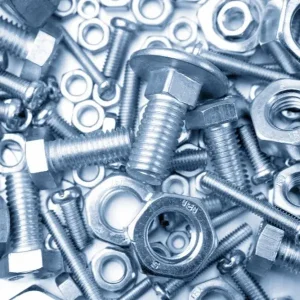
Bolt zinc plating stands as the global standard for protecting industrial fasteners from mechanical wear and chemical oxidation. By acting as a sacrificial anode, zinc prioritizes its own oxidation over the structural steel core of the bolt. This electro-chemical phenomenon ensures structural integrity even when minor scratches occur on the surface coating during assembly.
In modern industrial applications—ranging from automotive chassis assemblies to electrical transmission towers—the requirement for long-term corrosion prevention has driven significant advancements in alloy deposition. Pure zinc plating, while cost-efficient, has gradually reached its performance limits under extreme atmospheric conditions. Today's engineering landscape shifts heavily toward high-performance alternatives such as zinc-nickel (Zn-Ni) coatings, which deliver superior heat resistance and exceptional performance in aggressive environments.
As standard-setting agencies globally raise salt spray test (SST) requirements, manufacturers must implement reliable trivalent passivation and cyanide-free chemical plating agents. This technological shift optimizes both product lifetime and processing footprint.
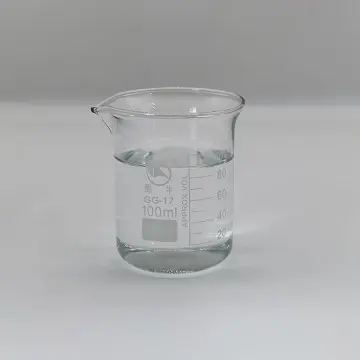
Evaluating standard zinc, zinc-nickel alloy, and electroless nickel systems to optimize material selection.
| Plating / Chemistry System | Primary Mechanical Function | Salt Spray Resistance (ASTM B117) | Typical Applications | Environmental Rating |
|---|---|---|---|---|
| 8315 Alkaline Cyanide-free Zinc | Sacrificial corrosion protection, uniform thickness | 120 - 240 Hours (depending on passivation) | Standard industrial fasteners, brackets | Eco-Friendly |
| 6185 Alkaline Zinc-Nickel Plating | High thermal resistance, high alloy stability | 720 - 1000+ Hours (No red rust) | Automotive engine bay bolts, marine parts | Excellent |
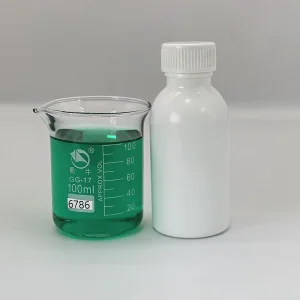
| HITEC EN 6786 High Phosphorus EN | Superb chemical resistance, uniform deposition | 400 - 800 Hours (Barrier protection) | Oil & gas valves, electronic housings | Heavy-Duty |
| ZN-318 Blue Trivalent Passivation | Toxin-free passivate conversion coating | Added protection overlay (240h+ combined) | Automotive hardware, outdoor infrastructure | Compliant |
Conventional zinc electroplating methods face challenges when subjected to thermal stress exceeding 120°C. Under these conditions, the zinc layer undergoes micro-cracking, reducing its protective capabilities. In contrast, electrodeposited Zinc-Nickel coatings (typically containing 12-15% nickel content, as achieved by our 6185 Alkaline Zinc-Nickel Plating process) retain their structure up to 200°C. This stability makes it the preferred specification for modern automotive components where engine bay temperatures fluctuate significantly.
The global regulatory environment has shifted decisively away from hexavalent chromium (Cr VI) due to its classification as a carcinogen and environmental hazard. Current standards (REACH, RoHS, and WEEE directives) mandate the use of trivalent chromium (Cr III) systems for passivating zinc and zinc alloy surfaces.
HIYIE's chemical technologies, such as the 216 High Corrosion-resistant Iridescent Trivalent Zinc Passivation and ZN-318 Blue Trivalent Zinc-Nickel Passivation, offer a viable alternative. They provide equivalent or superior self-healing properties compared to old hexavalent formulations, without containing hazardous heavy metals.
Furthermore, removing cyanide from zinc and copper plating baths (e.g., our 372 Alkaline Cyanide-Free Copper Plating and 8315 Alkaline Cyanide-free Bright Zinc Plating) reduces hazardous chemical waste treatment costs. It also ensures safety for manufacturing staff while maintaining exceptional adhesion and ductile properties.
SUZHOU HIYIE CHEMICAL CO., LTD delivers advanced chemical surface treatment formulations globally. Our product portfolio spans consumer electronics, communication equipment, semiconductor processing, automotive hardware, and structural steel manufacturing.
To address complex industry challenges, we operate dynamic R&D institutions in Wuhan and Shanghai. We also collaborate with domestic and international chemical institutes to develop eco-friendly, high-performance plating additives.
Our distribution network covers the Pearl River Delta, Yangtze River Delta, and Bohai Rim regions, supplying leading global brands. HIYIE materials are approved and utilized by industry leaders, including Foxconn Technology Group, Qinghai Salt Lake Group, Chint Group, Hongbao Group, Stanley Group, and Shifeng Group.
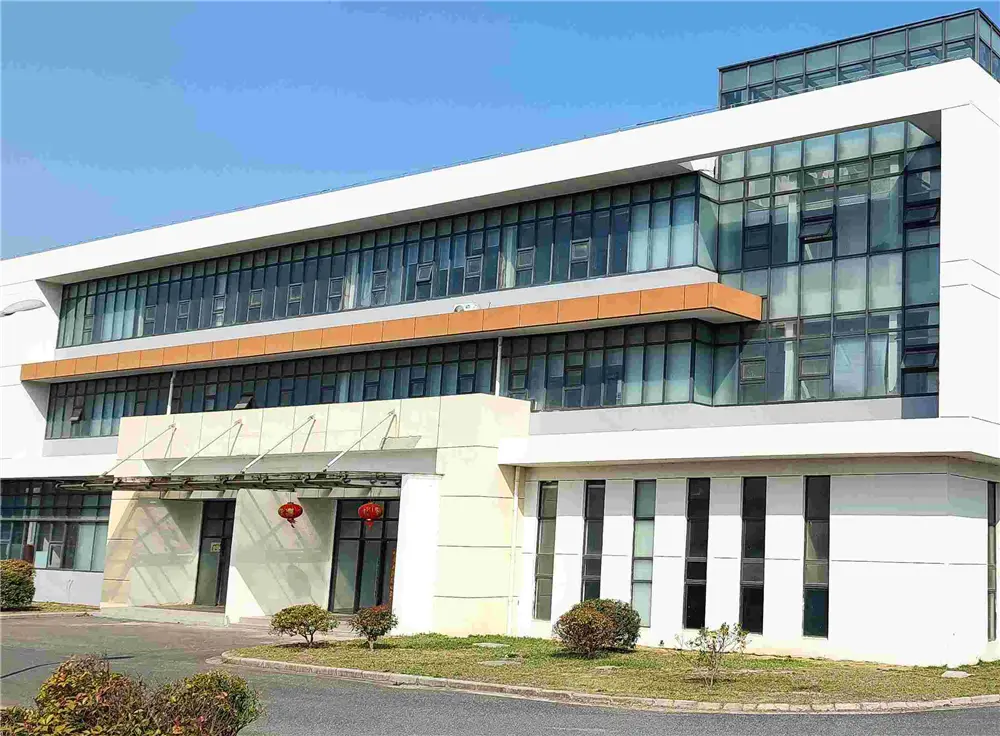
Our commitment to technical precision, sustainability, and responsive after-sales service.

Our engineering team delivers customized bath parameters and on-site training to optimize line throughput and reduce plating defects.

Flexible research structures allow us to customize properties like lubricity, hardness, and corrosion limits for high-stress applications.

We prioritize green chemistry, developing trivalent passivates and cyanide-free electroplating systems that align with global environmental goals.

We provide continuous bath maintenance advice, chemical analysis, and troubleshooting to keep your production lines running efficiently.
Addressing extreme wear, friction, and chemical exposure with autocatalytic phosphorus-nickel alloy deposits.
In addition to traditional bolt zinc plating systems, advanced engineering applications often require autocatalytic (electroless) nickel coatings. Unlike electroplating, which uses an external electric current, electroless nickel plating deposits a uniform alloy layer over complex geometries, internal threads, and blind holes.
HIYIE's electroless nickel systems are categorized by phosphorus content to meet specific application requirements:
This process deposits a hard, crystalline coating designed for high-wear environments and mild alkaline exposures. It provides high as-plated hardness (up to 700 HV) and good electrical conductivity.
The standard choice for industrial applications, balancing corrosion protection, wear resistance, and ductility. It is widely used in automotive hardware and consumer electronics.
This high-phosphorus formulation (10-12% P) produces a fully amorphous deposit with exceptional resistance to acidic environments. It is ideal for demanding applications like offshore oil exploration and chemical processing equipment.
Key technological trends driving research and chemical manufacturing at HIYIE through the coming decade.
Developing real-time sensor technology to monitor additive depletion. This enables automated replenishments, maintaining optimal bath performance and consistent coating quality.
Integrating silicon carbide, PTFE, or carbon nanotubes into traditional zinc-nickel matrices to achieve high wear resistance and self-lubricating properties.
Designing chemistry systems with high tolerance for degradation products. This prolongs bath lifetime and reduces chemical waste in industrial treatment facilities.
Addressing common queries regarding bolt zinc plating, alloy composition, and performance optimization.
Standard zinc plating provides sacrificial protection but is limited in high-temperature or highly corrosive environments, typically failing after 100-200 hours of salt spray testing. Zinc-nickel alloy plating (utilizing formulations like 6185 Alkaline Zinc-Nickel) deposits a layer containing 12-15% nickel. This configuration increases resistance, allowing components to withstand over 1,000 hours of neutral salt spray testing. It also maintains protective properties at temperatures up to 200°C.
Hydrogen embrittlement occurs when atomic hydrogen is absorbed into high-strength steel (typically grade 10.9 or higher) during acid cleaning and electroplating. Under load, this can lead to sudden brittle failure. To prevent this, fasteners must undergo a de-embrittlement baking process (typically at 190°C–220°C for 4 to 24 hours) within 4 hours of plating, prior to the application of passivation films.
Hexavalent chromium (Cr VI) is restricted under RoHS and REACH regulations due to its toxicity and environmental impact. Trivalent chromium (Cr III) passivates (such as our ZN-318 and 216 formulations) provide high corrosion resistance and thermal stability while meeting current global environmental safety regulations.
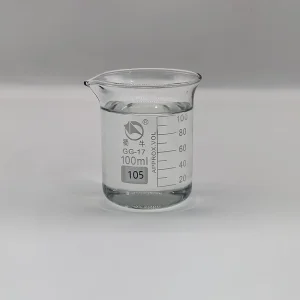
Chrome plating carriers, such as Chrome Plating Carrier 105, are specialized organic surfactants. They lower surface tension in hexavalent or trivalent chromium plating baths, improving mist suppression, wetness, and current density distribution. This helps achieve a uniform chromium layer across varying geometries.
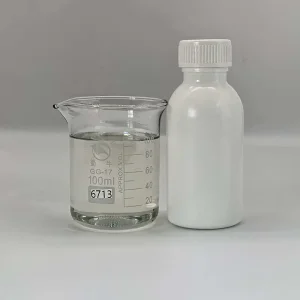
Phosphorus content directly influences the structural properties of the deposit. Low-phosphorus coatings (1-3% P, like J0-1) are crystalline and offer high wear resistance. Mid-phosphorus coatings (6-9% P, like HITEC EN 6713) provide a balance of hardness and corrosion resistance. High-phosphorus coatings (10-12%+ P, like HITEC EN 6786) are amorphous, non-magnetic, and deliver superior resistance to acidic chemical environments.
Insights, seasonal updates, and developments from Suzhou Hiyie Chemical.

As we welcome the new season, Suzhou Hiyie Chemical is expanding its manufacturing lines for eco-friendly trivalent passivation and alkaline zinc-nickel solutions. We are prepared to meet growing global demand from our automotive, electronics, and industrial fastener clients.
Read Corporate UpdateFrom alkaline zinc-nickel systems to specialized electroless nickel and bright copper formulations.
 HIYIE
HIYIE