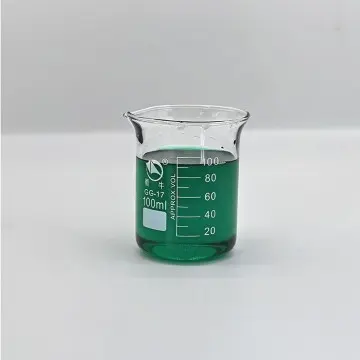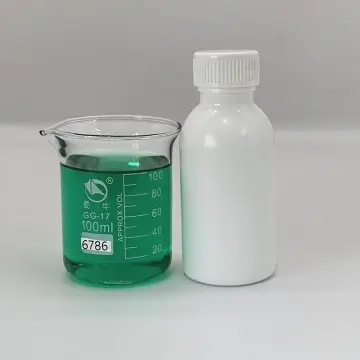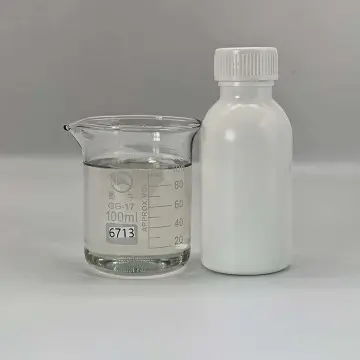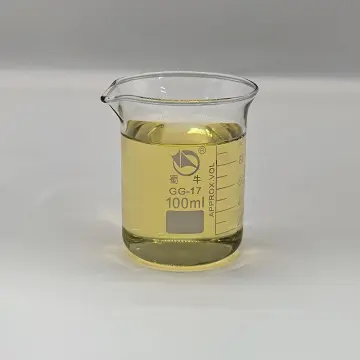
The bright acidic copper plating process constitutes a cornerstone of modern surface finishing engineering, serving critical industrial roles from high-density interconnect (HDI) printed circuit boards (PCBs) to decorative auto parts and rotogravure printing cylinders. Functioning primarily on a bath chemistry composed of copper sulfate ($CuSO_4 \cdot 5H_2O$), sulfuric acid ($H_2SO_4$), chloride ions ($Cl^-$), and highly specialized organic additives, this electrochemical deposition method achieves superior leveling power, high brightness, and ductile deposits.
Globally, the transition towards high-performance acidic copper formulations is driven by the industry's departure from toxic cyanide-based processes and the mounting demands of miniaturized electronics. Unlike traditional cyanide solutions, acid copper baths provide high cathode current efficiency (approaching 98% to 100%) and fast deposition rates. This makes them highly competitive in modern high-yield environments where downtime and chemical consumption directly impact EBITDA margins.
A superior acidic copper plating bath relies heavily on the synergistic performance of three key organic components. Understanding these interactions is essential for optimization:
As global manufacturers seek chemical partners capable of combining technical depth with reliable logistics, China-based chemical suppliers have developed significant operational advantages. This evolution is led by industrial clusters in the Yangtze and Pearl River Deltas. Suppliers in these regions benefit from local supply chains for raw chemical precursors, integrated R&D centers, and streamlined transport networks to deliver high-purity electroplating chemicals globally.
For international sourcing directors, partnering with integrated manufacturers like Suzhou Hiyie Chemical Co., Ltd. offers distinct advantages:
Direct control over the synthesis of brightener intermediates like SPS and MPS ensures batch-to-batch consistency. It minimizes impurities that cause step-plating and brittle copper deposits.
Advanced analytical verification using Cyclic Voltammetric Stripping (CVS) enables precise replenishment calculations, extending bath lifetimes to lower overall operational costs.
Additives are formulated in strict compliance with REACH and RoHS standards, ensuring seamless integration into eco-conscious automotive and consumer electronics supply chains.
Bright acidic copper processes must adapt to varying operational parameters based on their application:
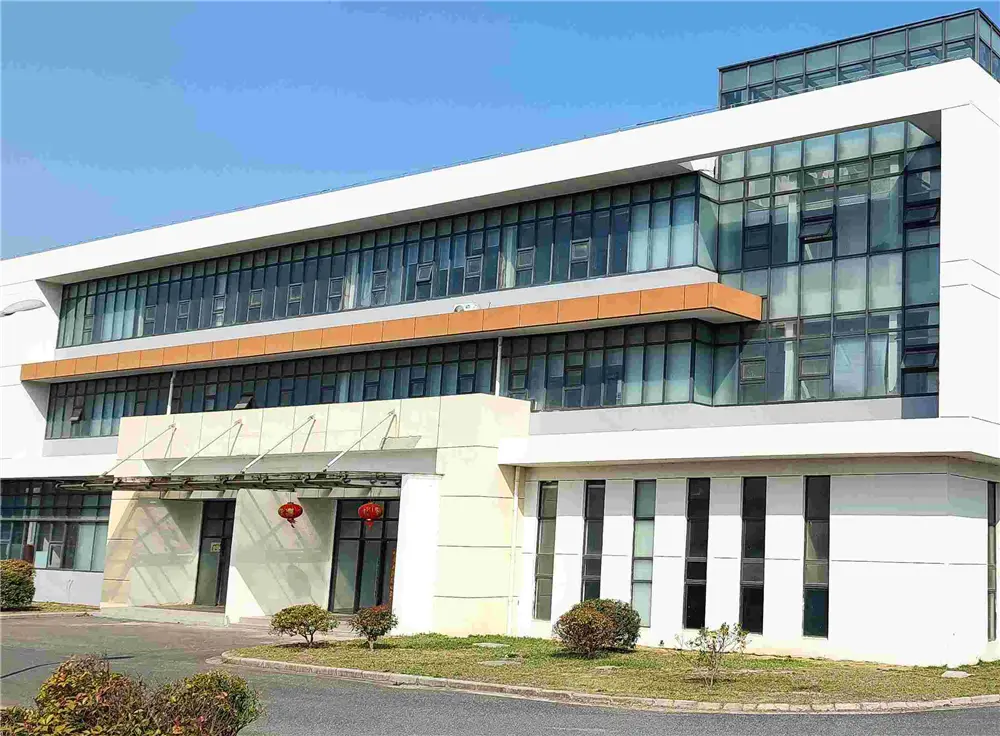
SUZHOU HIYIE CHEMICAL CO., LTD delivers advanced chemical solutions for surface finishing. Our portfolio supports consumer electronics, telecommunications, semiconductor fabrication, automotive hardware, and high-precision mechanical engraving.
To address evolving engineering challenges, we maintain joint research initiatives with universities and chemical research laboratories. With R&D facilities in Wuhan and Shanghai, and a marketing network spanning the Pearl River Delta, Yangtze River Delta, and Bohai Rim, we provide prompt technical support. Our chemical processes are used by industry leaders, including Foxconn Technology Group, Qinghai Salt Lake Group, Chint Group, Hongbao Group, Stanley Group, and Shifeng Group.

Our sales and engineering teams have extensive field experience, providing technical support from plant design to bath auditing.

We adjust additive concentrations, leveling agents, and carrier compositions to meet specific current density or substrate requirements.

We develop low-COD, biodegradable organic additives that help treatment facilities manage wastewater more cost-effectively.

We offer comprehensive support, including bath diagnostics, CVS analysis, and trouble-shooting, to maintain production uptime.
Burning occurs when the deposition rate exceeds the diffusion rate of copper ions, causing local mass-transfer limitations. This is resolved by adjusting the concentration of polyoxyethylene glycol carriers, increasing bath agitation (using air or mechanical solution movement), and maintaining the target concentration of copper sulfate.
Step-plating and poor coverage are typically caused by organic breakdown products or an imbalance in additive levels. If the brightener-to-carrier ratio is incorrect, or if the chloride ion concentration is low, deposition will become uneven. Running carbon treatment cycles removes organic contaminants, and regular CVS analysis helps restore the proper chemical balance.
Chloride ions ($Cl^-$) act as a bridge that allows carriers to adsorb to the cathode surface. If chloride levels fall below 30 ppm, the deposit may exhibit striations, reduced brightness, and poor leveling. Conversely, chloride levels exceeding 150 ppm can cause anode polarization and rough deposits. We recommend maintaining chloride levels between 50 and 80 ppm.
The optimal operating temperature range for most bright acid copper systems is 20°C to 28°C. Temperatures above 32°C accelerate the decomposition of organic additives, which increases chemical consumption and decreases leveling efficiency. Operating below 18°C can reduce cathode polarization, leading to a narrower bright operating range.
High-speed plating additives (e.g., those used in PCB microvia filling or wire plating) are formulated to withstand high current densities without breakdown, utilizing low-foaming surfactants and rapid-adsorption leveling agents. Decorative formulations focus on achieving rapid mirror-like brightness and maximum leveling over micro-rough substrates at lower current densities.
This depends on your production throughput. For high-volume automotive decorative lines, we recommend a continuous carbon filtration circuit, supplemented by a full batch carbon treatment every 3 to 6 months. This removes accumulated organic breakdown products that CVS analysis can no longer correct.
Internal stress and brittleness are usually caused by an excess of brightener or organic breakdown products. Maintaining a balanced brightener-to-leveler ratio, controlling organic impurities through regular carbon filtration, and keeping the chloride ion concentration within its target range will help ensure high ductility and low internal stress.
As we welcome the new year, Hiyie Chemical continues to focus on technical development and customer service. We thank our global partners for their ongoing trust and collaboration.
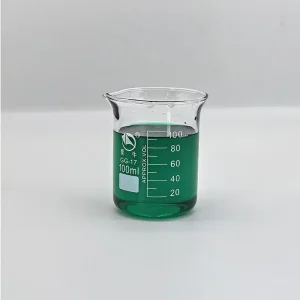
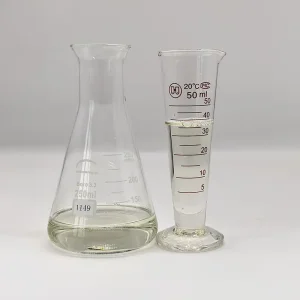
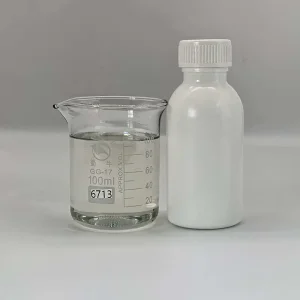
 HIYIE
HIYIE