Explore our elite portfolio of industrial additives, functional carriers, and specialty nickel-cobalt pre-treatment systems optimized for maximum cathodic deposition efficiency.
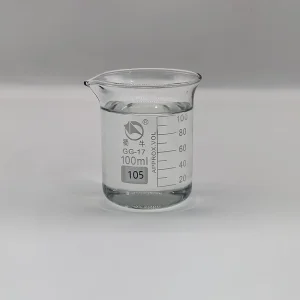
Advanced fluorocarbon-free surface-tension reducer optimizing bath dispersion and mist suppression.
Technical Datasheet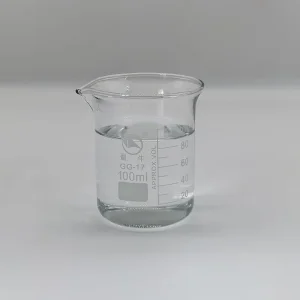
Sulfur-free formulation providing exceptional ductility and structural undercoat corrosion barrier.
Technical Datasheet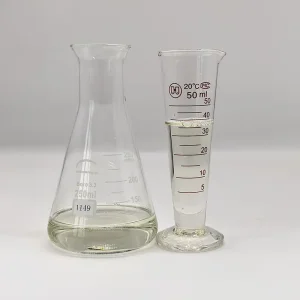
Exceptional leveling speed and deep recess throwing power for batch component electroplating.
Technical Datasheet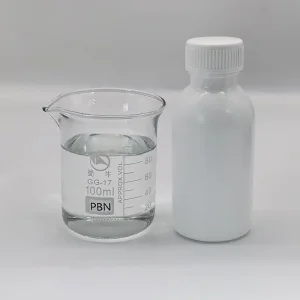
Elegant, satin glare-free appearance chemistry engineered for high-end electronic interfaces.
Technical Datasheet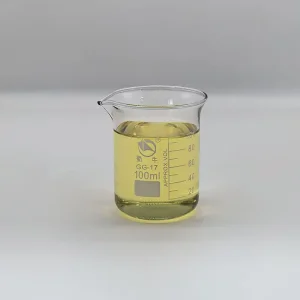
Ultra-fast brightener deployment minimizing cycle times while maintaining brilliant reflectivity.
Technical Datasheet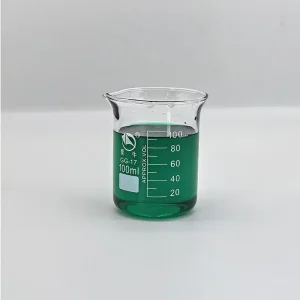
Maximum hardness and high wear-resistance alloy deposits matching hard chromium parameters.
Technical Datasheet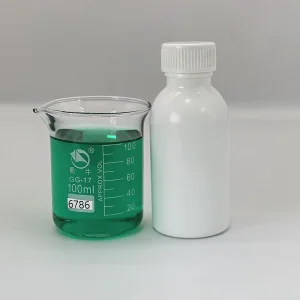
Highly amorphous matrix chemistry delivering extreme chemical corrosion resistance in aggressive media.
Technical Datasheet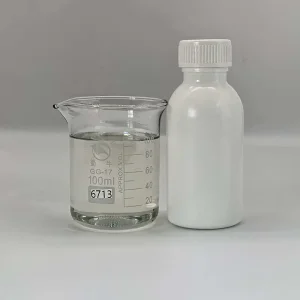
Optimized bath stability and deposition rate kinetics providing reliable protection for precision parts.
Technical DatasheetModern electrodeposition of chromium relies heavily on optimized chemistry within the diffusion layer adjacent to the cathode surface. In functional (hard) and decorative chromium applications, control of bath parameters, deposition rate, and surfactant interaction is vital to ensuring low-friction, high-durability surfaces. The chromium coating itself serves as a key barrier against aggressive mechanical wear and chemical attack. However, the final quality of the chromium layer is intrinsically determined by the microstructural properties of the underlying deposits—most notably, electroplated copper, semi-bright nickel, and bright nickel underlayers.
To prevent localized pitting, stress-induced micro-cracking, and premature corrosion, manufacturers utilize complex multi-layer coating systems. Our proprietary FS100 Semi-Bright Nickel Plating formulation deposits a highly ductile, sulfur-free nickel barrier directly onto substrate materials. This acts as a primary barrier to prevent galvanic cell formation between subsequent layers. When paired with high-performance topcoats, such as those formulated with Chrome Plating Carrier 105, the resulting chromium structure exhibits a highly controlled micro-cracked or micro-porous pattern. This architecture distributes corrosion currents across millions of microscopic sites, resulting in prolonged functional lifetimes in harsh marine, chemical, and industrial environments.
By layering high-ductility semi-bright nickel with an electrochemically distinct bright nickel layer, we establish a differential potential of 110-140 mV. This potential difference forces corrosion currents to proceed laterally across the bright nickel layer rather than penetrating vertically to the substrate. The addition of functional chromium topcoats seals this assembly, creating an impervious shield suited for high-stress applications.
Beyond standard chromium electroplating, functional alloy plating represents a critical frontier in surface engineering. In components where mechanical tolerances are micro-scale, electroless nickel plating (ENP) acts as a highly conformal, uniform alternative to electroplating. Formulations like our HITEC EN 6786 A/B/C High Phosphorus Electroless Nickel provide an amorphous phosphorus-nickel matrix (>10.5% P). Because of this non-crystalline atomic structure, it offers superior corrosion defense against acidic compounds, typical in oil and gas pipelines, chemical processing units, and high-performance automotive systems.
Conversely, for environments requiring extreme wear protection, our J0-1 Ultra-Low Phosphorus Electroless Nickel deposits a crystalline structure (1-3% P) that provides exceptional as-plated hardness (up to 700 HV), which can be further optimized via post-plating heat treatments to exceed 1000 HV. This matches the hardness parameters of traditional hard chromium coatings, making it a critical choice for hydraulic pistons, valves, and precision heavy tooling.
Standard values realized using Suzhou Hiyie Chemical processes under optimized bath conditions:
The regulatory landscape and mechanical requirements for metal finishing are changing. Discover our technology roadmap prioritizing eco-friendly transitions and structural optimization.
Regulatory restrictions (EU REACH Annex XIV) are accelerating the phase-out of hexavalent chromium (Cr6+). Our R&D works on next-generation trivalent chromium (Cr3+) formulations that achieve equivalent deposition rates, matching the color properties and structural hardness of traditional hexavalent processes.
Developing modern surface-active agents without polyfluoroalkyl substances is a core focus. Products like Chrome Plating Carrier 105 are engineered to comply with strict global environmental mandates while maintaining low surface tension, providing optimal bubble release, and reducing chromic acid mist emissions.
We are integrating real-time electrochemistry modeling, dynamic pulse rectification algorithms, and automated chemical replenishment loops. This system analyzes bath concentration parameters and adjusts current densities dynamically to eliminate burnt deposits in high-current density zones.
Providing chemistry packages for global manufacturers across different industry sectors.
From engine components and dampers to exterior styling trims and structural fasteners, our plating chemistries meet strict automotive requirements. Our 6185 Alkaline Zinc-Nickel Plating alloy process coupled with ZN-318 Blue Trivalent Zinc-Nickel Passivation provides protection against road salt, moisture, and high thermal stress under the hood.
In portable computing, smart interfaces, and RF communication systems, corrosion protection and aesthetic consistency are critical. Our specialized formulations like PBN Pearl Nickel provide a tactile, glare-free, premium satin finish. The 372 Alkaline Cyanide-Free Copper Plating formulation provides an excellent, conductive underlayer, ensuring high adhesion on complex geometric components.
High-pressure hydraulic systems, fluid valves, and mechanical shafts require thick, durable, and hard protection layers. Utilizing our J0-1 Ultra-Low Phosphorus Electroless Nickel or HITEC EN 6713 chemistries allows global manufacturing operations to achieve uniform thickness deposits even on internal geometries, reducing mechanical friction coefficients and wear rates.
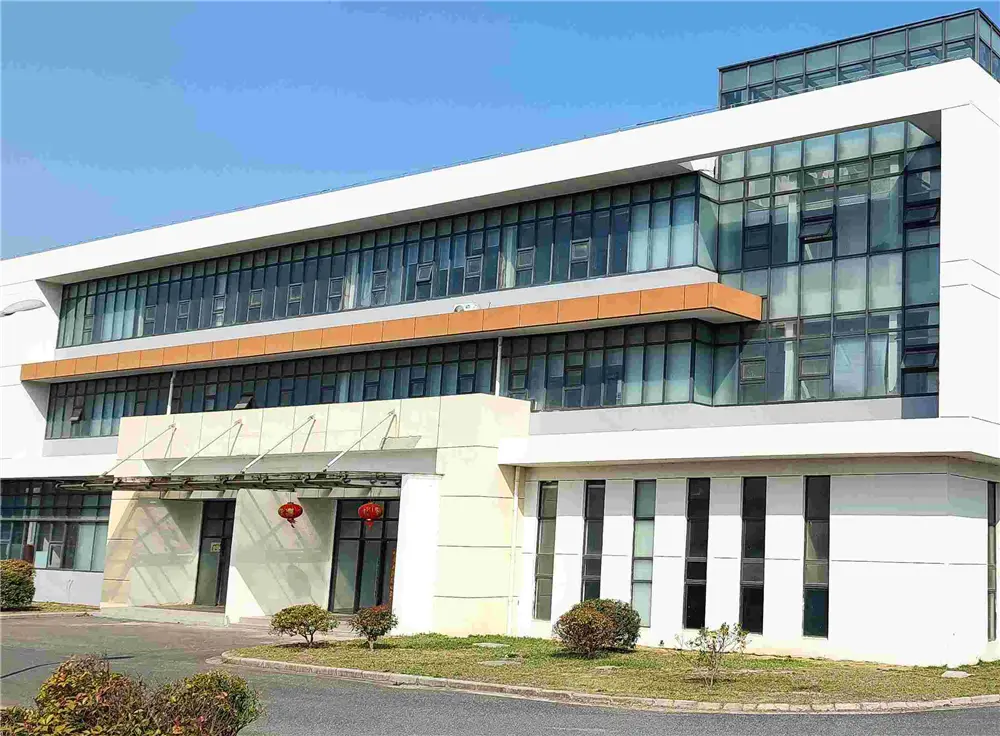
At SUZHOU HIYIE CHEMICAL CO., LTD, we combine advanced chemical formulation development with robust industrial manufacturing. Our production infrastructure runs on modern automated control platforms, ensuring batch-to-batch consistency and high purity across all organic chemical intermediates, brighteners, and carrier systems. By establishing dedicated, mobile R&D centers in key industrial corridors—specifically Shanghai and Wuhan—we collaborate with leading regional research universities and chemical technology institutes to resolve complex metal finishing challenges.
Our logistical footprint covers key industrial clusters including the Yangtze River Delta, the Pearl River Delta, and the Bohai Rim region. This geographic integration allows us to respond rapidly to shifting supply chain demands, providing stable delivery timelines for global manufacturing networks. From raw material sourcing to automated packaging, our processes are designed to mitigate risks and maintain continuity of supply for our international clients.
Our advanced plating formulations and process chemicals are deployed and approved by leading global manufacturers, including Foxconn Technology Group, Chint Group, Qinghai Salt Lake Group, Hongbao Group, Stanley Group, and Shifeng Group.
Operating a global chemical supply chain demands strict adherence to international safety standards, eco-regulations, and technical field support.
All Hiyie chemical formulations conform to global compliance directives, including EU REACH, RoHS 2.0, and regional EPA regulations. We provide safety documentation (GHS SDS) and certificate packages to support your compliance audits.
We deploy experienced technical engineers to assist with process integration, bath startup, Hull cell testing, and troubleshooting. Our laboratories conduct periodic liquid chromatography and atomic absorption analysis of client baths to ensure optimal stability.
With production bases in Suzhou and raw chemical distribution partners globally, we establish regional warehouses to ensure rapid chemical replenishment, minimizing downtime risks for continuous plating lines.
A professional guide for purchasing and engineering teams when evaluating plating chemistry and supplier stability.
When selecting a chemical partner for high-precision metal finishing, procurement and engineering teams evaluate parameters beyond simple unit cost. The total cost of ownership (TCO) in plating operations is determined by bath longevity, consumption rate per square meter, reject rate, and processing speed. Choosing optimized chemical combinations directly impacts these metrics.
Technical answers to key inquiries regarding electrodeposition processes, maintenance, and alloy selection.
Chrome Plating Carrier 105 is an advanced, fluorine-free wetting agent designed to lower the surface tension of chromic acid solutions. This action facilitates rapid bubble release from the cathode surface, eliminating pitting defect sites. It also creates a controlled foam blanket that suppresses chromic acid mist, improving safety and helping facilities comply with environmental standards.
Sulfur-free nickel coatings are electrochemically noble compared to sulfur-bearing bright nickel overlays. When micro-cracks develop in the final chromium surface, corrosion currents attack the bright nickel layer horizontally instead of penetrating vertically through the semi-bright layer to the base steel. This approach significantly delays substrate oxidation, which is key for parts exposed to harsh environments.
The distinction lies in phosphorus content and atomic structure. Low-phosphorus coatings (J0-1, 1-3% P) are crystalline and offer high as-plated hardness and wear resistance, suitable for friction applications. High-phosphorus coatings (HITEC EN 6786, >10.5% P) are amorphous (non-crystalline) and provide superior resistance to chemical corrosion in acidic and saline environments.
Traditional electroplating processes rely on free cyanide to dissolve and complex metal ions. Cyanide-free alternatives, such as 8315 Alkaline Zinc Plating and 372 Alkaline Copper Plating, use specialized organic complexing agents to ensure uniform coating thickness and adhesion while eliminating highly toxic compounds from the wastewater stream.
High-performance functional coatings, specialized copper undercoats, and trivalent chrome passivations designed to exceed standard neutral salt spray specifications.
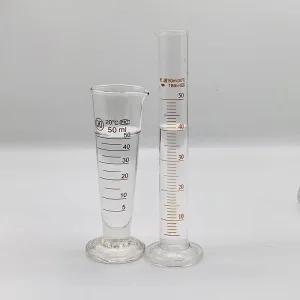
High-performance zinc-nickel alloy chemistry (12-16% Ni) providing excellent cathodic corrosion protection.
Technical Datasheet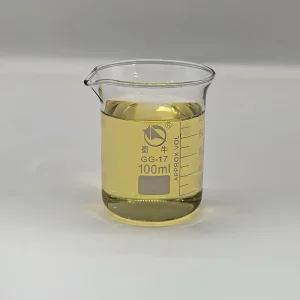
Cyanide-free bright zinc plating system providing excellent thickness distribution.
Technical Datasheet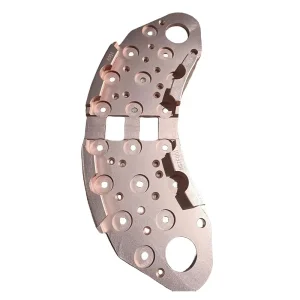
Environmentally friendly alkaline copper undercoat formulation offering high adhesion on multiple substrates.
Technical Datasheet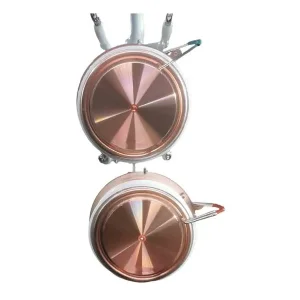
Highly leveling acid copper process designed to smooth out substrate micro-roughness quickly.
Technical Datasheet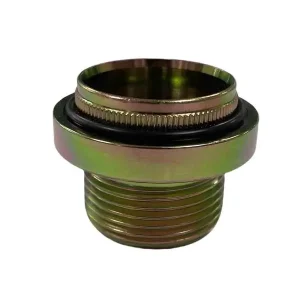
Eco-compliant, high-performance trivalent conversion coating producing a thick passivation layer.
Technical Datasheet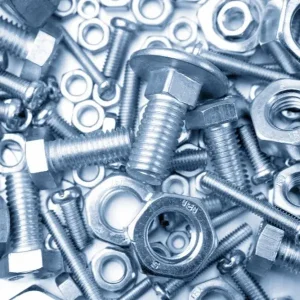
Designed specifically for zinc-nickel alloy coatings to provide a uniform, blue-bright finish.
Technical Datasheet
Advanced fluorocarbon-free surface-tension reducer optimizing bath dispersion and mist suppression.
Technical Datasheet
Sulfur-free formulation providing exceptional ductility and structural undercoat corrosion barrier.
Technical DatasheetLatest announcements and industrial updates from Suzhou Hiyie Chemical.
 HIYIE
HIYIE