Premium auxiliary chemicals engineered to operate alongside high-efficiency cleaning and degreasing agents.
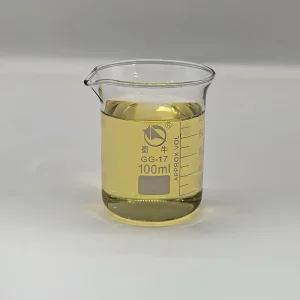
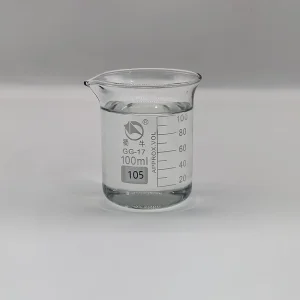
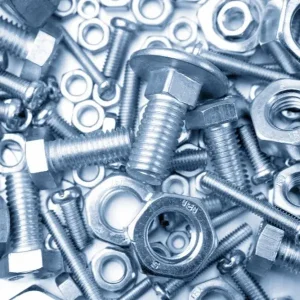
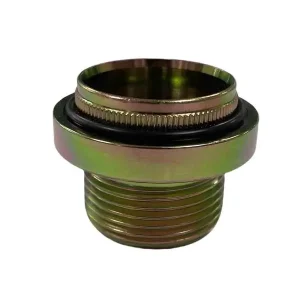
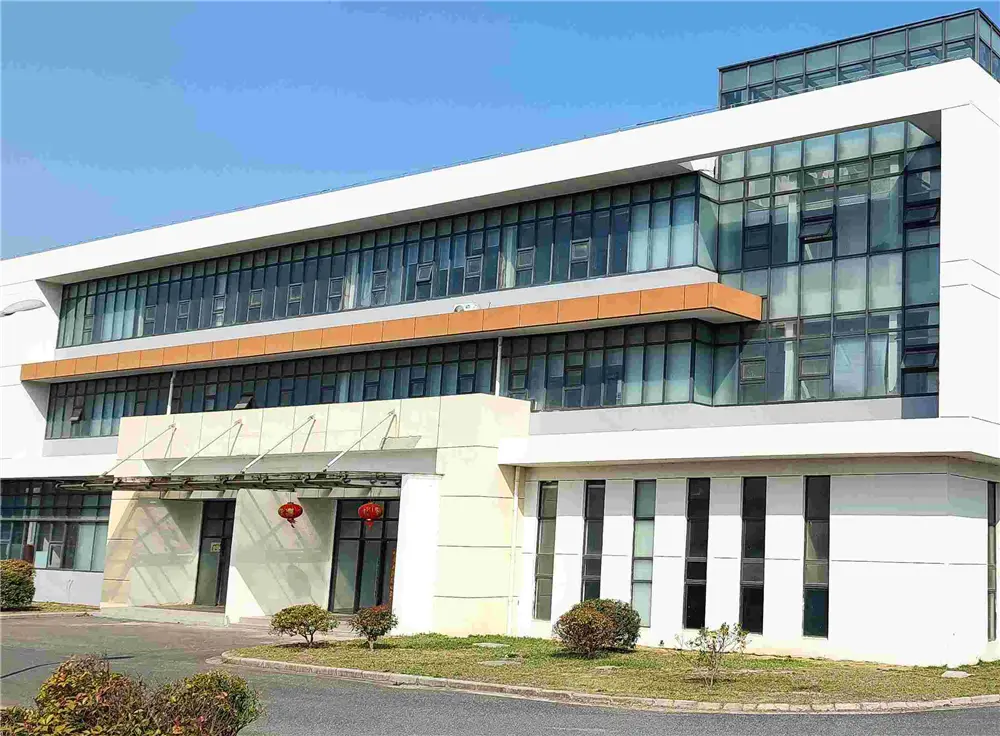
SUZHOU HIYIE CHEMICAL CO., LTD. stands at the forefront of surface modification and industrial chemistry. Our sophisticated product portfolio spans across critical sectors including consumer electronics, communication equipment, the semiconductor industry, automotive hardware, craft gifts, and beyond. Understanding that modern manufacturing demands absolute precision, we have invested heavily in chemical innovation.
By collaborating with multiple domestic and foreign chemical companies and top-tier academic institutions, we have established a highly dynamic, mobile R&D center dedicated to solving the most complex challenges in surface treatment. With advanced R&D facilities situated in Wuhan and Shanghai, our marketing and support networks extend across major industrial hubs, including the Pearl River Delta, Yangtze River Delta, and the Bohai Rim regions.
Our technologies and degreasing agents have earned the trust of industry titans such as Foxconn Technology Group, Qinghai Salt Lake Group, Chint Group, Hongbao Group, Stanley Group, and Shifeng Group, validating our position as a benchmark manufacturer of professional organic products and surface treatment additives.
A comprehensive analysis of chemical mechanisms, formulation structures, and substrate pretreatment parameters.
Industrial degreasing powders are complex chemical compounds engineered to remove hydrophobic contaminants—such as stamping oils, rust-preventative compounds, synthetic lubricants, and particulate shop soils—from metal substrates before electroplating, coating, or assembly. The process of degreasing is not merely washing; it involves a sequence of chemical reactions and surface phenomena, including saponification, emulsification, dispersion, and wetting.
Saponification is the chemical reaction that occurs when alkaline builders react with animal or vegetable fats (triglycerides) to form water-soluble soaps. However, modern industrial oils are increasingly mineral-based (non-saponifiable). To remove these, our degreasing powders rely heavily on advanced surfactant systems that perform emulsification. Emulsification breaks down the mineral oils into microscopic droplets, encapsulating them with hydrophobic tails inward and hydrophilic heads outward, preventing redeposition onto the cleaned metal surface.
A high-performance degreasing powder contains a balance of three primary components: alkaline builders, inorganic auxiliary salts, and surfactant packages.
Typically sodium hydroxide (NaOH), sodium carbonate (soda ash), or sodium metasilicate. They maintain high pH ranges (11-13.5) necessary to break down heavy greases and provide reserve alkalinity to neutralize acidic soils.
Polyphosphates, EDTA, or gluconates are used to bind hard water ions (Calcium and Magnesium) and prevent insoluble metal soaps from precipitating on parts or heater coils.
A synergistic blend of non-ionic and anionic surfactants. Non-ionic surfactants provide excellent wetting and oil emulsification, while anionic surfactants enhance overall rinseability and soil dispersion.
Across the international manufacturing landscape, surface preparation is recognized as the single most critical factor determining the success of subsequent finishing steps. Whether in the automotive assembly lines of North America, the electronics clusters of Asia, or the heavy machinery plants of Europe, paint adhesion failures, chrome peeling, and electroplating blisters can almost always be traced back to incomplete degreasing.
As global regulations tighten around volatile organic compounds (VOCs) and halogenated solvent vapor degreasing, the industry has experienced a major transition toward aqueous alkaline degreasing powders. These dry formulations offer significant logistics benefits: they are cheaper to ship than pre-mixed liquids, have a near-infinite shelf life, and can be customized on-site to address changing soil loads.
Optimizing degreasing operations based on regional industrial requirements and specific metal substrates.
High-volume steel and aluminum stamping plants require low-foaming, high-pressure spray degreasers. Formulations must quickly remove paraffinic draw oils and prevent rust on iron parts during short storage windows.
Aluminum alloys (such as 6000 and 7000 series used in smartphones and laptops) are highly sensitive to alkaline etching. Suzhou Hiyie formulated a silicate-buffered degreasing powder that cleans oils at a mild pH (9.0-10.5) without tarnishing or pitting the substrate.
Lead frames and connectors require ultra-clean surfaces prior to precious metal plating. Degreasing powders must be free of silicates and halogens, ensuring zero residues remain to cause outgassing or micro-voids in subsequent bonding steps.
The next decade of degreasing chemistry is shaped by sustainability and low-carbon mandates. Suzhou Hiyie Chemical's technology roadmap highlights the transition toward three main pillars:
Operating out of Suzhou, China, with dual R&D nodes in Shanghai and Wuhan, Suzhou Hiyie Chemical integrates into the world's most robust chemical supply chain. This physical location allows us to source raw materials, execute custom synthesis, and ship bulk products with unrivaled speed and cost-effectiveness.
100% Quality Auditing: Every batch of degreasing powder undergoes ICP-OES and surface tension testing to ensure uniform concentration and active component density.
Regulatory Compliance: All manufactured lots are fully documented with SDS sheets that align with GHS, REACH, and RoHS protocols, facilitating seamless customs clearance and local factory integration.
Integrate our degreasers with our premium electroplating chemistry to ensure flawless metal finishes.
How we ensure your pretreatment process adheres to local chemical and environmental laws globally.
Chemical regulatory compliance is a major operational barrier for manufacturers importing surface treatment additives. Suzhou Hiyie Chemical maintains a dedicated regulatory affairs team to ensure our products are pre-registered and safe to deploy in various jurisdictions.
Our degreasing powders are formulated without nonylphenol ethoxylates (NPEOs) and octylphenol ethoxylates (OPEOs), which are restricted under Annex XVII of REACH. We utilize fully biodegradable surfactant alternatives that guarantee compliance with European environmental limits.
For clients like Foxconn and Chint Group, our formulations are strictly verified via ICP testing to ensure they are free from lead, mercury, cadmium, and hexavalent chromium. This allows finished products to easily meet global consumer safety guidelines.
Pretreatment performance depends on maintaining chemical concentration, temperature, and clean bath parameters. We offer localized support through on-site audits, automatic titration setup guidance, and waste treatment neutralization protocols.
Addressing the core technical challenges, bath parameter adjustments, and troubleshooting of industrial degreasing systems.
Get in touch with Suzhou Hiyie Chemical's application engineering team to formulate a custom degreasing solution or optimize your current electroplating and finishing lines.
Request Technical Consultation HIYIE
HIYIE