Explore our elite engineering formulas designed to enhance solderability, increase conductivity, and deliver superior surface durability.
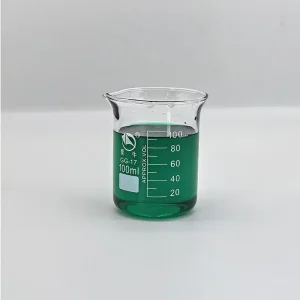
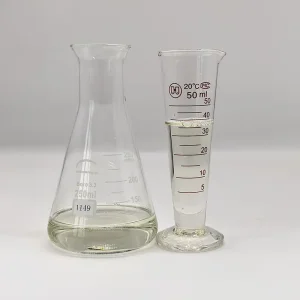
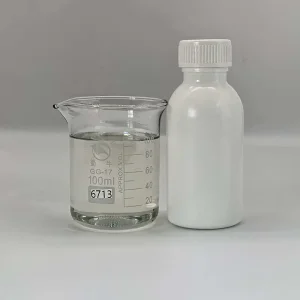
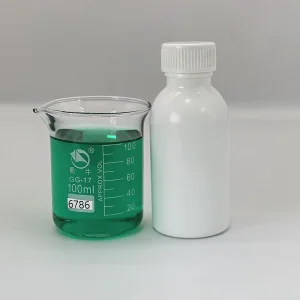
In modern electronic packaging, aerospace connectors, and high-frequency communication modules, gold and silver finishes are critical for maintaining minimal contact resistance and maximum signal integrity. However, both metals present significant processing challenges. Silver is highly vulnerable to trace atmospheric pollutants, leading to rapid tarnishing (formation of silver sulfide, Ag2S), which degrades solderability and alters electrical contact parameters. While gold does not tarnish, thin gold layers (such as ENIG or ENEPIG) can suffer from nickel or copper migration, porous micro-defects, and galvanic corrosion under harsh environmental stresses.
Historically, anti-tarnish and protective agents involved heavy waxes, chromate-based conversion coatings, or complex organic thiol molecules that created persistent hydrophobic barriers. While these agents successfully prevented oxidation during storage, their removal prior to downstream processes—such as wire bonding, soldering, or final inspection—was challenging. Residual protective layers degraded wire bond adhesion, formed micro-voids during reflow soldering, and disrupted electronic continuity.
The introduction of "Easy-to-Wash" Gold and Silver Protective Agents marks a significant technological advancement. Modern chemical formulations utilize Self-Assembled Monolayers (SAMs) combined with water-dispersible surfactants. These advanced formulations establish a robust nano-scale physical barrier (typically 1 to 5 nanometers thick) over gold and silver surfaces. This micro-layer isolates the active metal atoms from hydrogen sulfide, oxygen, and moisture.
The primary advantage of these protective agents lies in their functionalized molecular tails. Unlike traditional heavy organic coatings, these SAMs are engineered to remain stable during shipping, testing, and storage. However, they can be completely stripped off using mild, neutral, or slightly alkaline aqueous washes. This process leaves no microscopic residue, ensuring a pristine metal surface optimized for subsequent wire bonding or lead-free soldering processes.
The demand for gold and silver protective agents is closely aligned with the growth of the global semiconductor, automotive, and high-frequency communication industries. With the rapid expansion of Electric Vehicles (EVs), Advanced Driver Assistance Systems (ADAS), and 5G networks, components are subjected to increasingly harsh operating environments.
Procurement departments and quality directors face complex global challenges:
Components must pass strict tests, including ASTM B809-95 (wet sulfur test) and salt spray chambers, to prevent field failures in industrial environments.
Global supply chains require suppliers to provide halogen-free, VOC-compliant chemistries to maintain green manufacturing status.
Protective agents must not degrade downstream bonding processes, such as thin wire wedge bonding (aluminum or gold) and surface mount technology (SMT).
To address these requirements, chemical manufacturers must supply more than basic chemicals; they must deliver integrated engineering support. This includes customized chemical bath analysis, automated dosing recommendations, and lab validation reports verifying that the protective layer can be successfully removed using standard deionized water or mild aqueous cleaners.
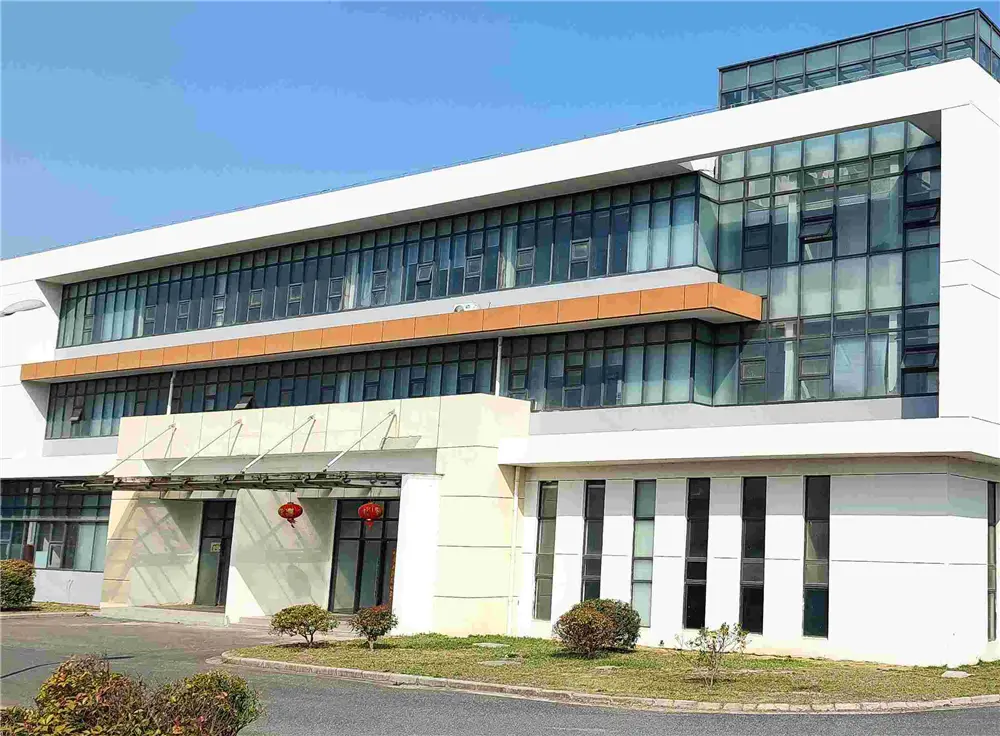
Operating in the Suzhou Industrial Zone, SUZHOU HIYIE CHEMICAL Co., LTD utilizes advanced China Factory 4.0 principles to balance chemical consistency, rapid R&D cycles, and global shipping capabilities.
By combining raw material synthesis and high-precision quality control, our automated production facilities ensure every batch of gold and silver protective agents meets strict quality thresholds. This industrial approach provides:
Hiyie Chemical serves major industry accounts, providing custom surface treatment products for electronics, automotive hardware, and consumer goods.
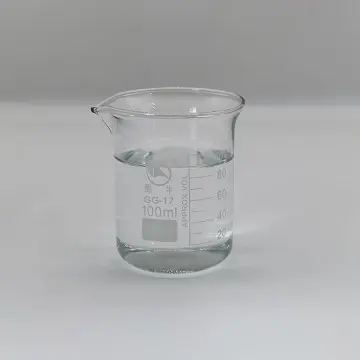
SUZHOU HIYIE CHEMICAL Co., LTD supplies specialty organic formulations and metal surface treatment solutions. Our comprehensive portfolio supports consumer electronics, communication hardware, automotive manufacturing, and chemical packaging applications.
To address industry challenges, Hiyie Chemical partners with chemical engineering institutes and domestic universities. Our R&D facilities in Wuhan and Shanghai focus on developing high-performance, eco-friendly metal finishing technologies.
Our sales and distribution network spans the Pearl River Delta, Yangtze River Delta, and Bohai Rim regions, delivering consistent support to industry partners, including Foxconn Technology Group, Qinghai Salt Lake Group, Chint Group, Hongbao Group, Stanley Group, and Shifeng Group.
We combine state-of-the-art chemical synthesis with dedicated field engineering support to optimize your plating line performance.

Our sales and technical support teams bring deep industry experience to help optimize your plating bath operations and surface chemistry.

We configure formulations to meet specific application requirements, adjusting concentration, viscosity, and strip profiles for specialized manufacturing lines.

Our formulations focus on environmental safety, utilizing halogen-free, low-VOC profiles that comply with international green manufacturing directives.

We provide comprehensive support, including initial lab testing, line commissioning, parameter monitoring, and troubleshooting.
The performance of easy-to-wash gold and silver protective agents depends on proper process integration. Below are typical application fields where our formulations are used to prevent oxidation:
Protects ENIG/ENEPIG pads from atmospheric pollutants during multi-stage SMT assembly, ensuring high-yield soldering on double-sided boards.
Protects silver-plated copper contacts in EV battery systems and power inverters, preventing galvanic corrosion in high-humidity environments.
Applies a invisible, long-lasting anti-tarnish barrier to high-end jewelry and luxury hardware, preserving aesthetics without modifying natural luster.
To achieve optimal coating performance, follow this process sequence:
Find technical insights regarding the chemistry, application, and performance of our protective coatings.
Select high-performance chemical solutions to optimize process stability and improve product yields.
 HIYIE
HIYIE