Explore our industrial-grade electroplated zinc formulations, zinc-nickel alloys, and advanced trivalent passivation chemical systems designed to meet rigorous automotive and engineering standards.
In the field of surface finish technologies, zinc electroplating has long stood as a foundational method for delivering sacrificial protection to ferrous metals. As moisture, oxygen, and corrosive ions (such as chlorides) target the component, the electrodeposited zinc layer acts as a sacrificial anode, oxidizing in place of the underlying steel substrate. This classic mechanism remains critical across automotive, construction, and heavy machinery applications. However, modern environmental directives and engineering specifications demand far higher performance thresholds than standard zinc systems can deliver. This has driven a major industry transition towards high-performance alloy electroplating (primarily Zinc-Nickel) and eco-compliant chemistries.
Standard zinc coatings, while cost-effective, can degrade rapidly under high-temperature or high-salinity conditions. The engineering community has increasingly turned to Zinc-Nickel alloy electrodeposition, typically targeting an 12-15% nickel composition. The resulting gamma-phase crystalline structure offers several key advantages:
Historically, cyanide-based plating baths were favored for their outstanding throwing power and consistent grain refinement. However, the extreme toxicity of cyanide poses severe environmental risks and creates complex wastewater treatment demands. Modern formulations, such as the 8315 Alkaline Cyanide-free Bright Zinc Plating system, rely on advanced organic complexing agents. These additives replicate the superb thickness distribution of cyanide baths without the associated safety hazards, ensuring regulatory compliance with minimal ecological impact.
NSS Hours (Red Rust Free)
Optimal Zn-Ni Alloy Target
Cyanide & Hex-Chrome Free
Thermal Performance Limits
Procuring raw electroplating chemicals and finished coating services has evolved into a strategic challenge for global supply chain managers. Procurement professionals must balance production throughput, regulatory compliance, and total cost of ownership (TCO). In the current landscape, industrial buyers prioritize suppliers who can deliver consistent bath stability, robust customer support, and comprehensive documentation.
Leading automotive manufacturers (such as Ford, GM, VW, and Toyota) maintain strict electroplating standards (e.g., GMW3044, Ford WSS-M21P17). Procurement teams must source chemistries that guarantee repeatable alloy distributions and consistent friction coefficients on threaded fasteners to prevent assembly failure.
Global regulations like REACH (Registration, Evaluation, Authorization and Restriction of Chemicals) and RoHS 3 strictly restrict substances of very high concern (SVHCs). Suppliers must guarantee that all chemical components, including stabilizers and brighteners, are completely free of restricted heavy metals and carcinogenic substances.
A primary driver of TCO is bath longevity. Plating chemistries that degrade quickly require frequent dump-and-rebuild cycles, increasing chemical usage and effluent treatment costs. Alkaline cyanide-free zinc formulations must feature high tolerance to iron impurities to minimize bath maintenance downtime.
To mitigate supply chain risks, multinational companies are moving away from single-source models. They favor manufacturers who operate advanced R&D centers and maintain international distribution networks. This approach ensures prompt, on-site technical support when adjusting line parameters or troubleshooting bath contamination issues.
Understanding the performance differences between electroplated zinc and nickel coatings is essential for matching the right surface finish to specific application environments. Below is an engineering comparison matrix analyzing key performance metrics.
| Coating Technology | Corrosion Protection (NSS) | Throwing Power | Thermal Limits | Primary Industrial Use Cases | Environmental Considerations |
|---|---|---|---|---|---|
| Alkaline Zinc-Nickel (e.g., 6185) | Up to 1200 Hours (Red Rust) | Exceptional (Uniform Thickness) | Up to 220°C | Automotive Under-hood, Chassis Components, Fasteners | Fully RoHS/REACH Compliant, Hex-Chrome Free |
| Cyanide-Free Bright Zinc (e.g., 8315) | Up to 250 Hours (Passivated) | Excellent (Complex Parts) | Up to 120°C | Consumer Electronics, Hardware, Light Stamping Parts | Non-toxic Wastewater Profile, Safe Handling |
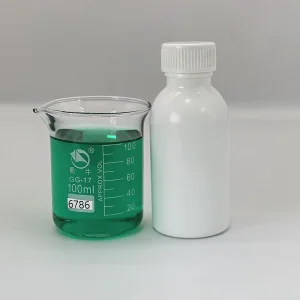
| Electroless Nickel (e.g., J0-1, 6786) | Up to 1000 Hours (Depending on P%) | Perfect Uniformity (No Current Density Bias) | Up to 400°C | Semiconductors, Valves, Oil & Gas Equipment, Connectors | Requires careful management of stabilizer chemicals |
| Acid Copper Systems (e.g., 672) | N/A (Used as Undercoat) | Moderate (High Speed Deposition) | Up to 150°C | Base Level Leveling, High-Speed Plating on PCBs & Plastics | Requires copper recovery in waste treatment |
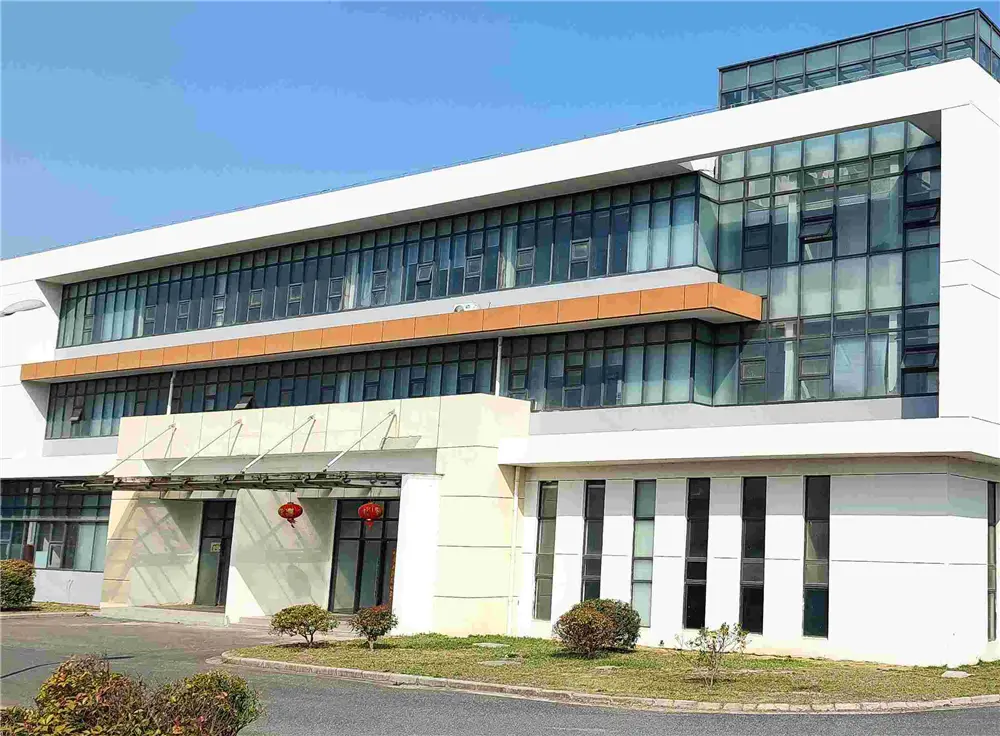
SUZHOU HIYIE CHEMICAL Co.,LTD manufactures an advanced product portfolio that spans consumer electronics, communication equipment, the semiconductor industry, automotive hardware, craft gifts, and more. To solve complex surface finishing challenges, we have collaborated with domestic and international chemical companies and universities to establish a mobile R&D center dedicated to solving technical challenges in the industry.
Since our establishment, we have set up R&D institutions in Wuhan and Shanghai. Our marketing network covers the Pearl River Delta, Yangtze River Delta, and Bohai Rim regions, ensuring fast delivery and on-site technical support. Our chemical systems and additives are trusted by industry leaders including Foxconn Technology Group, Qinghai Salt Lake Group, Chint Group, Hongbao Group, Stanley Group, and Shifeng Group, earning our company a global reputation for quality and reliability.
Custom-formulated chemical systems to meet unique OEM plating line specifications.
Dedicated field engineers to assist with bath analysis, line tuning, and troubleshooting.
The electroplating industry is undergoing rapid technical evolution. Driven by global decarbonization initiatives, resource efficiency, and digital manufacturing trends, Suzhou Hiyie Chemical is actively developing next-generation surface finishing solutions.
To eliminate manual titrations and periodic bath failures, future electroplating lines will rely on real-time sensor arrays integrated with predictive algorithms. By tracking depletion rates of brighteners, carriers, and metal concentrations, these smart systems automatically meter dosing pumps, maintaining chemical equilibria and minimizing coating variations.
While current trivalent passivation systems (such as the ZN-318 Blue Passivation and 216 Iridescent Passivation) perform exceptionally well, many rely on cobalt salts for barrier modification. Looking forward, our R&D teams in Wuhan and Shanghai are developing cobalt-free trivalent systems that match existing corrosion performance thresholds, preempting future chemical restrictions.
Energy consumption remains a major operational cost for commercial electroplating shops. Developing organic brighteners and carriers that function efficiently at lower bath temperatures (30°C to 40°C, down from 55°C) is a key focus of our sustainable product development roadmap.
Get professional answers to technical questions about bath maintenance, alloy control, and environmental compliance.
As the holiday season transitions, the New Year bell rings the prelude to progress. Suzhou Hiyie Chemical remains dedicated to advancing surface finishing technology. Our research facilities in Wuhan and Shanghai are fully operational, supporting partners like Foxconn and Chint Group with high-performance plating additives and technical services for the year ahead.
Discover our high-phosphorus coatings, bright acid copper additives, and specialty surface treatments designed for demanding industrial environments.
 HIYIE
HIYIE