Explore our state-of-the-art chemical formulations engineered for maximum corrosion protection, optimal conductivity, and exceptional adhesion properties.
A deep dive into advanced electrochemistry, barrier layer design, and eco-friendly alkaline cyanide-free strike dynamics.
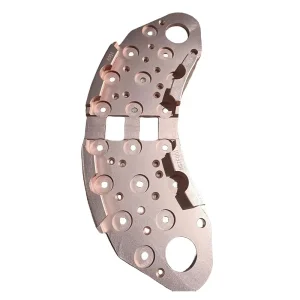
In modern industrial manufacturing, zinc die-cast parts are highly favored for their excellent casting properties, fluid dynamics, and high strength-to-weight ratio. However, zinc is a thermodynamically active amphoteric metal that is prone to atmospheric and galvanic corrosion. The application of electroplating copper on zinc die castings acts as the foundational step in multilayer coating systems (such as copper-nickel-chrome plating). This step provides critical leveling, acts as a thermal barrier, and ensures exceptional mechanical adhesion for subsequent layers. Without a high-quality initial copper strike, the direct application of subsequent acid copper or nickel baths will lead to immersion displacement reactions, resulting in blistering, poor adhesion, and catastrophic coating failure.
Standard electrochemical potentials dictate that when zinc ($E^0 = -0.76\text{ V}$ vs. SHE) is immersed in standard acid copper solutions ($E^0 = +0.34\text{ V}$ vs. SHE), a spontaneous displacement reaction occurs. Copper ions deposit loosely on the zinc surface as a non-adherent, powdery layer, while zinc rapidly dissolves. To circumvent this, manufacturers utilize alkaline pre-plate steps to polarize the cathode and lower the concentration of free copper ions via complexing agents, securing a molecularly bonded copper strike layer.
Historically, sodium or potassium cyanide copper baths were the industry standard for plating on zinc due to the outstanding stability of the cyano-copper complexes ($[Cu(CN)_3]^{2-}$ and $[Cu(CN)_4]^{3-}$). However, severe environmental regulations, occupational health risks, and stringent wastewater treatment standards have catalyzed a global shift toward cyanide-free formulations. Products such as the 372 Alkaline Cyanide-Free Copper Plating system represent a milestone in green electrochemistry. Operating under specialized organic chelators, this system offers outstanding micro-throwing power, uniform thickness distribution, and high adhesion directly on challenging zinc die-cast substrates, eliminating the environmental liabilities of traditional cyanide systems.
A critical consideration when copper-plating zinc is solid-state thermal diffusion. Over time, particularly under thermal stress, copper atoms will diffuse into the zinc substrate, and vice versa. This migration creates a brittle copper-zinc intermetallic compound (IMC) layer ($\beta$, $\gamma$, and $\epsilon$ brass phases), which exhibits high stress and poor ductility. This diffusion process can lead to micro-voids (Kirkendall voids) at the interface, causing subsequent delamination and blistering. To mitigate this:
Precise control over pH (typically 9.0 to 10.5 in cyanide-free baths) and bath temperature ensures consistent complexing kinetics and uniform deposition rates across complex geometries.
Utilizing high-performance passivations, such as the 216 High Corrosion-resistant Iridescent Trivalent Zinc Passivation, enhances the assembly's overall resilience against salt spray environments.
Optimal cleaning, activation, and micro-etching protocols prevent passive oxide films on the zinc substrate, securing true atomic bonding between copper and zinc.
How shifts in environmental compliance and advanced surface finishing chemistry are redefining global supply chains.
The global demand for electroplated zinc alloy castings spans across high-volume automotive hardware, aerospace fixtures, telecommunications enclosures, and premium consumer electronics. In the automotive sector, parts must endure aggressive environmental exposure. Traditional zinc coatings are no longer sufficient to meet the strict 1000-hour neutral salt spray (NSS) test specifications. Consequently, OEMs are mandating advanced alloy finishes such as the 6185 Alkaline Zinc-Nickel Plating followed by trivalent passivations like ZN-318 Blue Trivalent Zinc-Nickel Passivation.
From a commercial standpoint, the chemical manufacturing landscape has experienced massive consolidation. Manufacturers are seeking comprehensive suppliers who can provide not only the primary plating chemistries but also auxiliary additives, brighteners, and carriers, such as the Chrome Plating Carrier 105 and 31685 Rapid Brightening Nickel Plating. This holistic approach ensures chemical compatibility throughout the entire multi-stage plating line, minimizing cross-contamination risks and maximizing productivity.
Targeted metallurgical engineering across diverse global industries.
Exterior emblems, door handles, and mirror brackets manufactured from zinc die-casts require a robust, ductile copper undercoat (utilizing 672 High-Speed Bright Acid Copper Plating) followed by dual-layer nickel and chromium. This structure prevents structural cracking caused by thermal expansion differences between the zinc base and the hard chromium surface overlay.
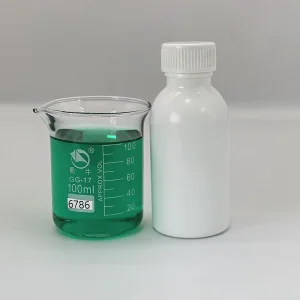
Within consumer devices, electromagnetic shielding (EMI) and high conductivity are paramount. Electroplated copper layers on complex zinc connectors provide optimal electrical pathways. When coupled with high-phosphorus coatings like HITEC EN 6786 A/B/C High Phosphorus Electroless Nickel, these components achieve superior wear resistance and corrosion shielding in compact form factors.
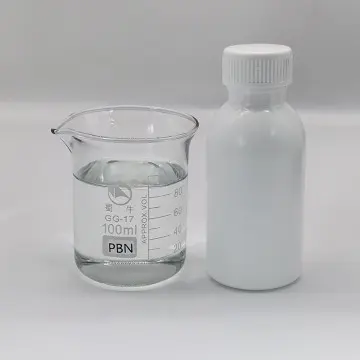
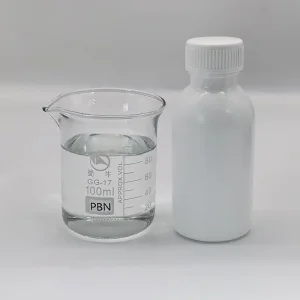
Faucets, valves, and decorative trim require aesthetic perfection. The integration of 1149 Barrel Bright Nickel Plating and PBN Pearl Nickel over a smooth, leveled copper strike ensures a brilliant mirror-like or sophisticated satin-pearl finish, respectively, meeting strict architectural guidelines and resisting aggressive humidity.
RF filters and transceiver housings cast in zinc require uniform internal coatings. Cyanide-free alkaline copper strikes ensure full coverage inside deep recesses, preventing passive oxidation and maintaining signal integrity in harsh environmental deployment zones globally.
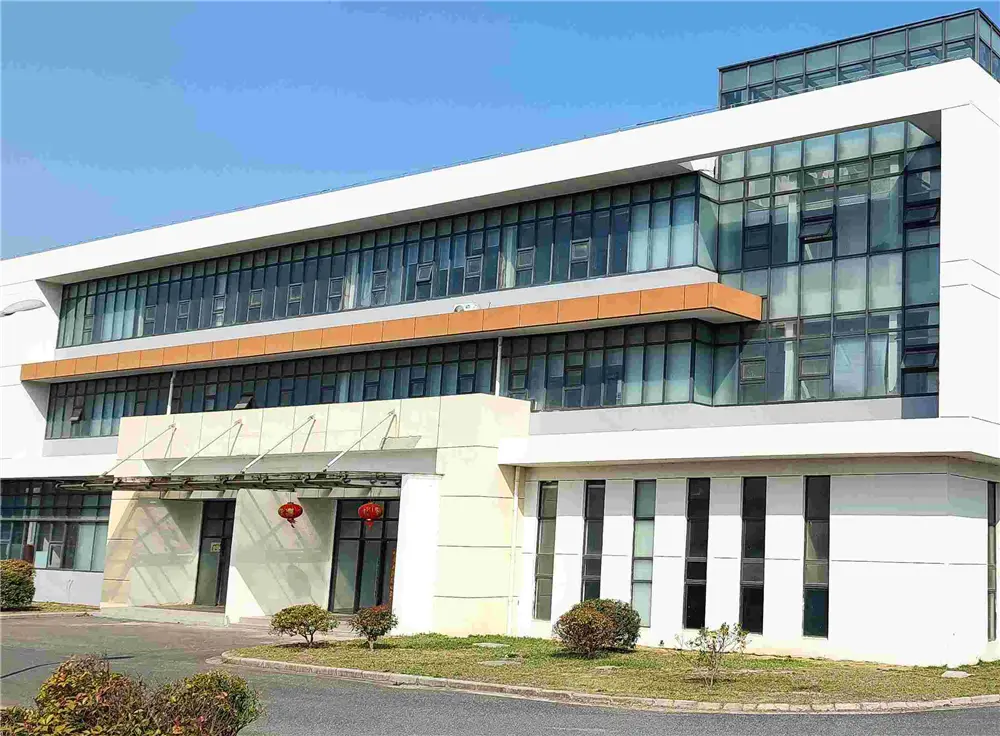
SUZHOU HIYIE CHEMICAL CO., LTD. has built a robust product portfolio that covers consumer electronics, communication equipment, the semiconductor industry, automotive hardware, craft gifts, and more. Our commitment to metallurgical excellence and environmental sustainability has driven us to collaborate with multiple domestic and foreign chemical companies and prestigious universities to establish a dedicated mobile R&D center focused on solving the industry's toughest plating challenges.
Since our establishment, we have set up R&D institutions in Wuhan and Shanghai, positioning our engineering teams close to key industrial hubs. Our market network covers the Pearl River Delta, Yangtze River Delta, and Bohai Rim regions. Our high-performance products, from advanced zinc-nickel formulations to eco-friendly trivalent passivations, are recognized and utilized by well-known multinational enterprises including Foxconn Technology Group, Qinghai Salt Lake Group, Chint Group, Hongbao Group, Stanley Group, and Shifeng Group.
Read More About HiyieInnovative engineering, strict quality control, and robust global supply chain logistics.

We recruit top-tier chemical engineers and plating specialists dedicated to customer-focused solutions and process optimization.

Our flexible R&D framework allows custom formulation adjustments to meet the most stringent specifications and challenging geometries.

Pioneering green surface finish technologies, driving the industry phase-out of hexavalent chromium and cyanide baths.

Our dedicated technical service teams provide round-the-clock bath analysis, troubleshooting, and on-site implementation support.
Next-generation research and development in plating technologies.
The future of electroplating zinc die-cast parts relies heavily on smart chemical systems and carbon-neutral processes. Suzhou Hiyie Chemical is actively developing next-generation bath chemistries designed to minimize energy consumption and water waste. Our technical roadmap highlights several key areas:
Optimized chemical systems categorized by application requirements.

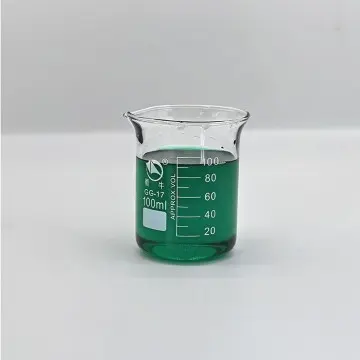
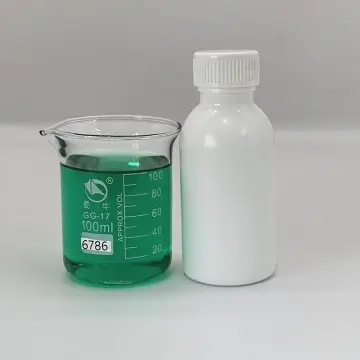
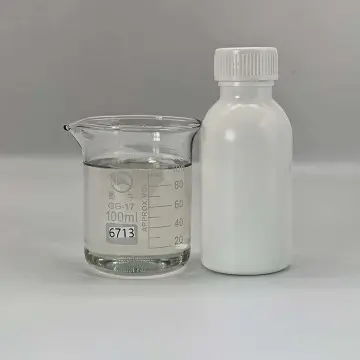

Technical answers to critical questions regarding copper strike chemistry, diffusion limits, and chemical safety.
Stay updated with events and announcements from Suzhou Hiyie.
As we step into a new season of technological milestones, Suzhou Hiyie Chemical continues to drive innovation in sustainable surface chemistry. We are optimizing our delivery routes and production schedules to support our global partners through the coming fiscal year, ensuring supply stability and technical assistance.
Select from our specialized line of high-performance plating additives, carriers, and passivations.
 HIYIE
HIYIE