High-efficiency chemical solutions designed to optimize operational throughput and maximize corrosion protection for steel substrates.
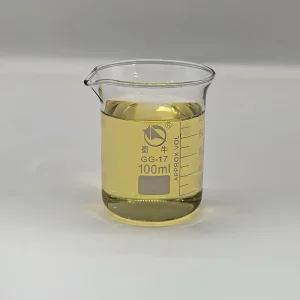
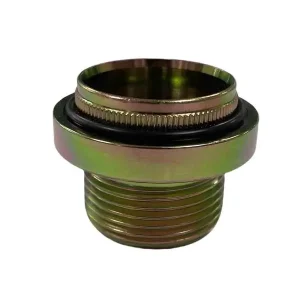
In modern industrial manufacturing, steel remains the foundational substrate for structural, mechanical, and automotive applications. However, its susceptibility to atmospheric oxidation and galvanic corrosion necessitates high-performance surface engineering. Electroplating steel with zinc—commonly termed electro-galvanization—serves as the premier industrial method for depositing a protective zinc barrier onto steel components.
By utilizing advanced electrolytic baths, specialized organic brighteners, and precise carrier chemistries, metal finishers can achieve uniform, highly adherent, and aesthetically brilliant zinc deposits. The zinc layer operates via two primary mechanisms: first, it provides a physical barrier preventing moisture and oxygen from reaching the underlying steel matrix; second, it functions as a sacrificial anode, prioritizing its own oxidation over the ferrous substrate to arrest rust propagation.
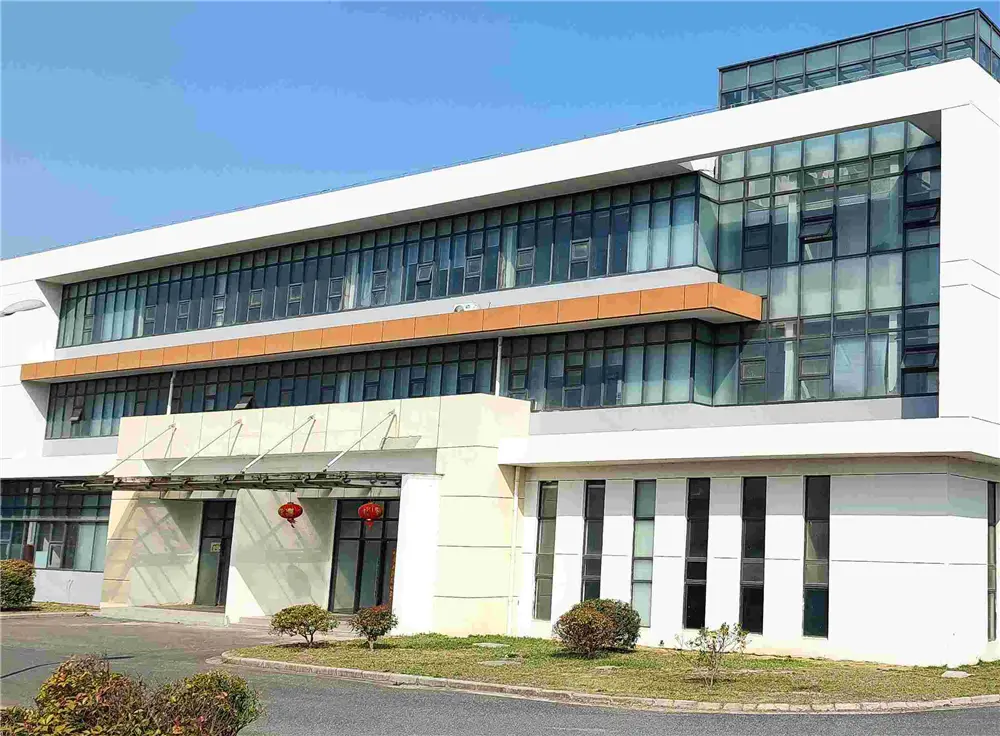
At Suzhou Hiyie Chemical Co., Ltd., we understand that achieving maximum corrosion resistance requires precise molecular chemistry. Our research centers in Wuhan and Shanghai focus on developing chemical additives that control grain nucleation, reduce internal deposit stress, and eliminate traditional hazards like toxic cyanide compounds, ushering in a new era of environmentally sound surface finishing.
Salt Spray Hours (ASTM B117)
Cyanide-Free Tech
State R&D Centers
Global Industrial Partners
Exploring the shifting paradigms in environmental compliance, metallurgy, and functional performance across worldwide finishing markets.
Global regulatory mandates, including European REACH and RoHS, have forced the global phasing-out of hexavalent chromium (Cr6+). Modern manufacturing relies on advanced trivalent chromium (Cr3+) passivation chemistries, supplemented by nano-silica sealers, to achieve comparable or superior salt spray performance without environmental toxicity.
Automotive under-hood and chassis environments are exposing fasteners and stamping parts to harsher thermal and mechanical stresses. Platers are transitioning from pure zinc coatings to zinc-nickel (Zn-Ni) alloy electroplating (typically containing 12-15% nickel content) to offer up to three times the corrosion resistance of standard coatings.
Industrial wastewater treatments have become cost-prohibitive for facilities utilizing cyanide-based electrolyte systems. The deployment of alkaline cyanide-free bright zinc processes enables companies to achieve excellent thickness distribution, rapid plating speeds, and exceptional ductility while minimizing compliance burdens.
Suzhou Hiyie Chemical Co., Ltd. stands at the intersection of advanced organic synthesis and industrial supply chain stability. Our production facilities operate under rigorous quality management structures, combining automated bath control dosing systems with high-throughput quality analysis equipment. This ensures that every batch of additives, brighteners, and carriers delivered globally exhibits absolute consistency.
Our agile R&D system adjusts formulation characteristics to adapt to specific field water quality, temperature extremes, and cathode geometry configurations.
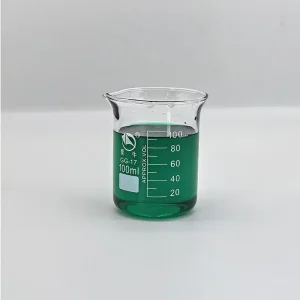
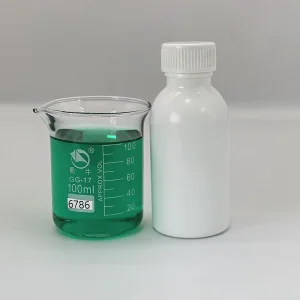
Our 8315 Alkaline Bright Zinc system replaces traditional hazardous compounds with high-affinity organic surfactants, streamlining eco-audits.
Strategically servicing major manufacturing hubs in the Pearl River Delta, Yangtze River Delta, and Bohai Rim regions with localized technical support teams.
Collaborations with academic chemical engineering institutions fuel rapid prototyping and iterative validation testing cycles.
Supporting world-class industry leaders with robust chemicals and structural plating solutions.
How high-quality electroplating steel with zinc additives solves specific physical challenges across critical industry segments.
Chassis components and assembly fasteners face relentless exposure to road salt, grit, and moisture. Utilizing ZN-318 Blue Trivalent Zinc-Nickel passivation over alkaline zinc coatings prevents early red rust formulation, maintaining mechanical integrity and torque characteristics under rigorous stress conditions.
Internal brackets, shielding cans, and connector structural elements require precise thickness distribution and superior solderability. The application of alkaline cyanide-free plating guarantees thin, ductile coatings that accommodate stamping and bending post-plating without flaking or powdering.
Outdoor utility-scale solar installations require components with structural lifespans exceeding 25 years. Industrial-scale electroplated zinc layers treated with high-performance trivalent passivates offer cost-effective, uniform barrier defenses compared to heavy hot-dip galvanizing, preventing thread clogging.
A granular look at the performance profiles of modern surface finishing techniques to assist in strategic procurement selection.
| Plating Class / System Type | Common Substrates | Thickness Distribution (Throwing Power) | Corrosion Resistance (Neutral Salt Spray) | Main Environmental Impact |
|---|---|---|---|---|
| Alkaline Cyanide-Free Zinc (e.g., 8315 System) | Carbon Steel, Low Alloy Steel, Cast Iron | Excellent (Nearly 1:1 thickness ratio in recess vs. edge) | 240 - 480 Hours to Red Rust (Passivated) | Eco-Friendly; Low wastewater compliance burden |
| Acid Zinc Plating | Hardened Steel, Wire goods, Fasteners | Moderate (Thickness variations in complex geometries) | 120 - 240 Hours to Red Rust (Passivated) | Acidic effluent, contains low-level complexing agents |
| Alkaline Zinc-Nickel Alloy (6185 System) | High-Strength Steel, Auto Engine Components | Excellent (Consistent alloy composition) | 1000 - 1500 Hours to Red Rust | Requires specialized nickel monitoring in waste streams |
| Electroless Nickel (High Phos System) | Carbon Steel, Stainless Steel, Aluminum alloys | Absolute Uniformity (Chemical deposition, no current flux) | 500 - 1000 Hours (Depending on thickness) | High chemical replenishment, complex effluent treatment |
Answers to common structural engineering, chemistry, and sourcing queries related to electroplating steel with zinc.
Acid zinc plating chemistry offers superior brightness and speed but exhibits poor throwing power, meaning recessed areas on complex steel geometries will receive significantly less zinc coverage. Alkaline zinc systems, specifically cyanide-free varieties like our 8315 Alkaline Cyanide-free system, distribute the zinc coating uniformly across the entire component profile, ensuring consistent corrosion resistance without thick edge build-ups.
Zinc-nickel alloy coatings (specifically containing 12-15% Ni) shift the corrosion potential of the coating closer to that of steel while maintaining sacrificial properties. The inclusion of nickel within the alloy lattice slows down the rate of zinc dissolution, vastly extending the working life of the barrier layer and reducing white rust development in salt-rich environments.
During acid pickling and cathodic electrodeposition, atomic hydrogen can diffuse into the interstitial crystal lattice of high-strength steels, leading to premature brittle failure under tensile stress. To prevent this, components must undergo hydrogen relief baking (typically at 200°C for 4 to 24 hours depending on hardness) immediately after electroplating and prior to the passivation stage.
Modern trivalent chrome passivation relies on thick-film chemical formulations combined with organic or inorganic sealants (like silica-based formulations). These topcoats fill the micro-cracks in the trivalent conversion coating, providing a highly integrated hydrophobic barrier that rivals legacy hexavalent chromium coatings while meeting strict global ecological standards.
Discover our wider range of electrodeposition additives, covering copper, nickel, and alloy-specific formulations.
 HIYIE
HIYIE