Explore our high-performance solutions engineered for outstanding corrosion resistance, substrate adhesion, and dynamic surface aesthetics.
In modern industrial manufacturing, surface engineering is no longer just a finishing step—it is a critical phase of design that directly affects a product's lifespan, functionality, and safety. First-on-finish zinc plating and alloy deposition represent the state of the art in sacrificial corrosion protection. Globally, industrial sectors are facing harsher operating environments, strict regulatory frameworks, and pressure to prolong the service life of metal parts. This has caused a significant shift away from standard barrier coatings toward engineered zinc and zinc-nickel alloy surface modifications.
The global metal finishing market is rapidly evolving. Strict environmental regulations—such as Europe's REACH (Registration, Evaluation, Authorisation and Restriction of Chemicals), RoHS (Restriction of Hazardous Substances), and North America's EPA directives—have accelerated the phase-out of traditional hexavalent chromium chemistry. At the same time, industries like automotive manufacturing, renewable energy, and heavy infrastructure are demanding higher corrosion resistance. Modern engineering specifications regularly call for over 1000 hours of Neutral Salt Spray (NSS) testing to red rust according to ASTM B117 standards. Meeting these strict benchmarks requires specialized zinc plating processes that deliver precise alloy co-deposition, exceptional bath stability, and excellent thickness distribution across complex geometries.
To meet these requirements, manufacturers must focus on the micro-level behavior of electrochemistry. Standard zinc electroplating provides sacrificial protection, but it can erode quickly under high thermal or corrosive stress. By co-depositing nickel with zinc—targeting the optimal range of 12% to 15% nickel content—platers can achieve a single-phase gamma structure (γ-phase Ni5Zn21). This structure provides up to ten times the corrosion protection of standard zinc coatings. Furthermore, the development of alkaline cyanide-free zinc plating formulations, such as the 8315 system, offers a safe and environmentally friendly chemistry that delivers bright, uniform deposits without the risks of traditional cyanide baths.
Utilizes trivalent passivation and advanced sealants to create a self-healing barrier, preventing moisture and oxygen from reaching the substrate.
Excellent throwing power ensures consistent thickness inside recesses, threads, and internal blind holes without over-plating edges.
Cyanide-free and trivalent-focused chemistry designed to meet international environmental regulations and help OEMs achieve zero-emission goals.
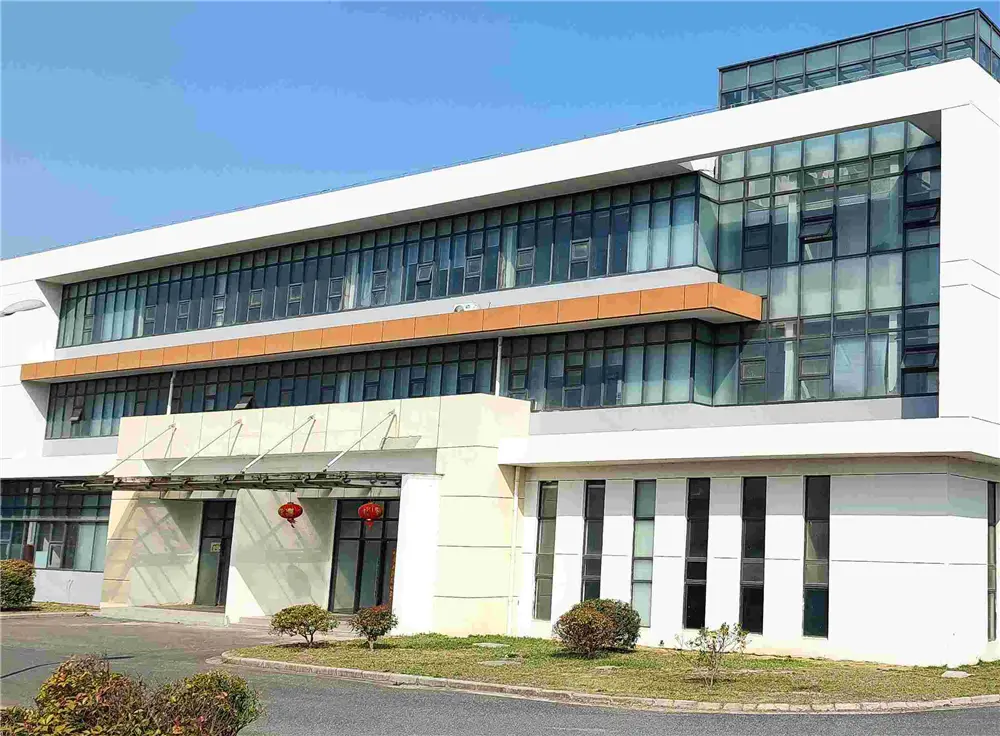
SUZHOU HIYIE CHEMICAL CO., LTD. offers a comprehensive product portfolio serving consumer electronics, communication equipment, the semiconductor industry, automotive hardware, craft gifts, and more. To solve the industry's toughest technical challenges, we collaborate with domestic and international chemical companies and universities, establishing a dynamic R&D center dedicated to surface engineering innovations.
Since our founding, we have established advanced R&D institutions in Wuhan and Shanghai. Our marketing and technical support networks cover key industrial hubs, including the Pearl River Delta, Yangtze River Delta, and Bohai Rim regions. Our products are widely used and recognized by leading global enterprises, including Foxconn Technology Group, Qinghai Salt Lake Group, Chint Group, Hongbao Group, Stanley Group, Shifeng Group, and many others, earning Hiyie a reputation for reliability and market leadership.
Read MoreDeveloping high-quality zinc plating systems requires balancing bath stability, plating speed, and the chemical composition of the coating. Our current R&D roadmap focuses on three main technical areas:
Traditional zinc baths relied heavily on sodium cyanide to complex zinc ions and ensure a smooth deposit. Our alkaline cyanide-free system uses proprietary organic chelators that control the discharge rate of zinc ions at the cathode. This produces a fine-grained, ductile zinc coating with excellent thickness uniformity. It also simplifies wastewater treatment and improves worker safety.
The passivation layer acts as the first line of defense against oxidation. Our trivalent chromium passivation systems (such as ZN-318 and 216 Iridescent Passivation) are formulated with transition metal nanoparticles. When the surface is scratched, the trivalent chromium complex reacts with migrating moisture to form a protective chromium-hydroxide barrier over the exposed zinc. This self-healing mechanism prevents premature red rust formation.
For high-tensile fasteners and critical structural automotive parts (such as chassis components and engine mounts), hydrogen absorption during acid cleaning and electroplating can cause sudden catastrophic failure under load. Our alkaline plating systems have high cathode efficiency, minimizing hydrogen generation. Combined with optimized post-plating baking procedures, our solutions protect high-strength steels from hydrogen embrittlement.
Our surface finishing technologies are customized to meet the demanding requirements of various industries:
Our commitment to excellence, continuous R&D, and customer-first service defines our leadership in metal finishing.

We attract and train top-tier technical and sales talent globally, ensuring expert support and dedicated service for all our customers.

Our flexible R&D centers in Wuhan and Shanghai allow us to customize chemical formulations to meet the specific requirements of our clients.

We develop advanced, eco-friendly metal finishing technologies designed to protect the environment and meet global compliance standards.

Our professional technical service teams provide pre-sale consulting, bath maintenance support, and rapid on-site troubleshooting.
Stay informed about our latest developments, corporate events, and new technology releases.

The Snake ushers in blessings as we bid the old year farewell; The Horse brings spring as we embark on a new journey. The New Year bell rings the prelude to progress. We thank all our global partners, customers, and team members for their support, and we look forward to achieving new milestones together in clean energy chemistry and green metal finishing.
Read ArticleDirect answers from our senior surface engineering team regarding application challenges, chemistry, and environmental compliance.
Explore our full range of specialty plating formulations designed to meet demanding industrial and commercial specifications.
 HIYIE
HIYIE