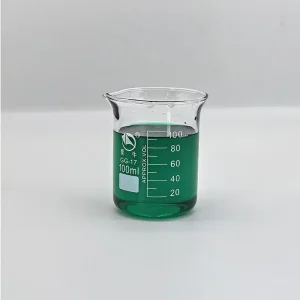
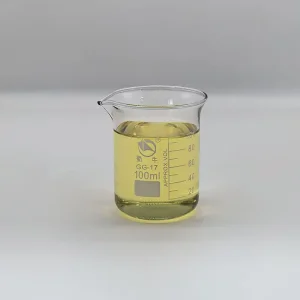
Discover our flagship range of surface chemistry additives, process chemicals, and passivation agents engineered for maximum compatibility with dehydrating systems.
In modern metal finishing, the post-rinse stage poses a substantial risk to final component yields. Hard water, rich in divalent cations like calcium (Ca²⁺) and magnesium (Mg²⁺), naturally promotes the precipitation of insoluble salts as water film evaporates. This results in calcified water spots, staining, and initiates localized micro-galvanic corrosion on electroplated coatings.
A high-performance hard water dehydrating agent functions by rapidly altering the interfacial tension between the metallic substrate and the drag-out rinse water. Instead of relying solely on thermal evaporation—which concentrates mineral salts—our formulated chemical surfactant agents build a temporary hydrophobic monomolecular layer. This hydrophobic barrier physically displaces the water film, causing it to bead up and run off cleanly, leaving the surface dry and ready for immediate packaging or secondary processing without manual wiping or heat-intensive drying lines.
| Chemical Attribute | Standard Dehydrators | Hiyie Hard Water Agents |
|---|---|---|
| Calcium Tolerance Level | < 150 ppm | Up to 450 ppm |
| De-watering Velocity | 5 - 12 seconds | 1.5 - 3.0 seconds |
| Residue Characteristic | Oily / Tactile residue | Ultra-thin molecular film (<0.2μm) |
| Rust Protection (In-process) | Minimal (12 hrs) | Extended (up to 72 hrs) |
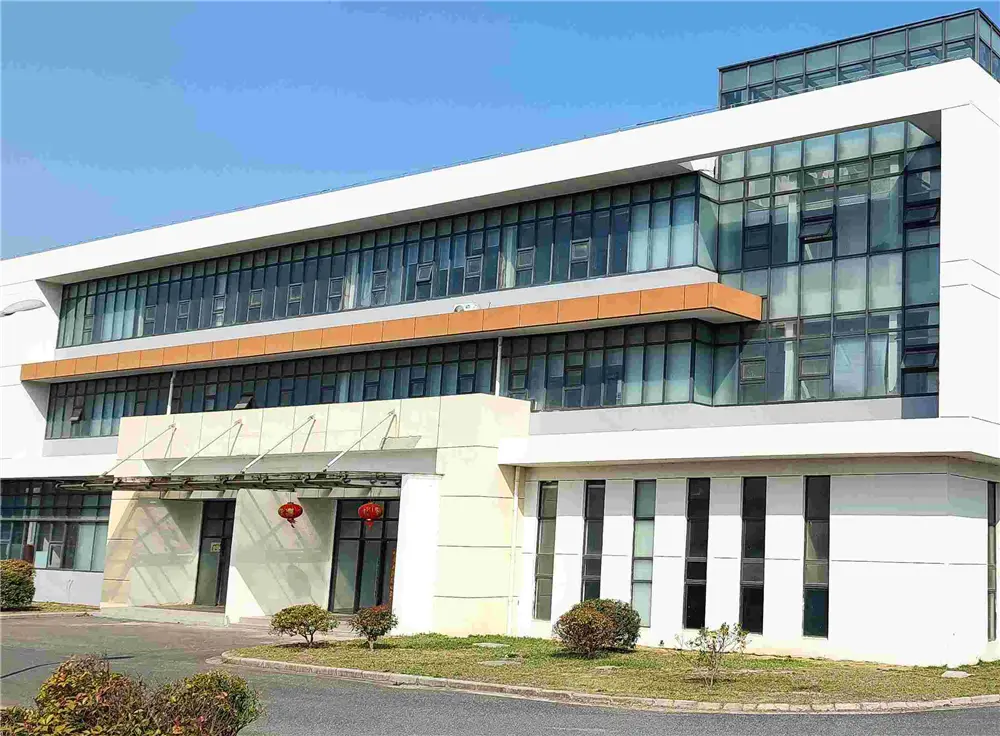
SUZHOU HIYIE CHEMICAL Co., LTD has established an industry-leading product portfolio that covers consumer electronics, communication equipment, semiconductor industry, automotive hardware, craft gifts, and specialized metal finishing sectors. By integrating deep chemical synthesis expertise with practical metal surface treatment demands, we engineer reagents that maximize process integrity and operational throughput.
Recognizing the dynamic challenges in global surface treatment operations, HIYIE has collaborated with multiple domestic and foreign chemical companies and universities to establish a mobile R&D center dedicated to solving technical challenges in the industry. Since our establishment, we have set up R&D institutions in Wuhan and Shanghai, ensuring our formulations remain at the absolute vanguard of green chemistry and efficiency. Our extensive marketing network spans the Pearl River Delta, Yangtze River Delta, and Bohai Rim regions, positioning us as a key supplier in international export corridors.
Our industrial additives, passivates, and dehydrating agents have been widely used and recognized by many well-known domestic and foreign enterprises such as Foxconn Technology Group, Qinghai Salt Lake Group, Chint Group, Hongbao Group, Stanley Group, and Shifeng Group, earning the company an outstanding market reputation and solidifying our status as a trusted global chemical supplier.
Analyzing the strategic, logistical, and scientific benefits of Suzhou Hiyie Chemical’s Chinese manufacturing hub.
We introduce a large number of research specialists, chemical engineers, and international sales consultants. This multi-layered team guarantees robust customer support, regulatory compliance tracking, and reliable technical advisory.
Our flexible R&D mechanisms, housed in Suzhou, Wuhan, and Shanghai, are designed to address specific customer requirements, such as adjusting formulas for custom water hardness parameters or localized environmental regulations.
Our technologies are continually updated with an environmentally friendly philosophy. By prioritizing non-toxic, low-VOC solvents and biodegradable surfactants, we assist our global clients in maintaining REACH and RoHS compliance.
Our professional pre-sale, sales, and after-sale technical teams provide global remote troubleshooting and bath maintenance guidance, maximizing the operational lifespan of your process baths.
Industrial operations face distinct challenges depending on geographic and infrastructural contexts. Below are the key scenarios where a hard water dehydrating agent is critical:
In PCB assembly and connector plating (especially using acid copper or nickel plating lines), remaining moisture creates a risk of electrolytic corrosion. Applying our dehydrating formulation immediately post-wash displaces water from complex micro-vias, ensuring reliable electrical conductivity and preventing oxidation before soldering.
Mass-produced automotive brackets, fasteners, and zinc-plated fittings undergo aggressive wet processing. In regions where industrial municipal water is hard, calcium spotting on trivalent zinc coatings compromises the salt spray test performance. Our dehydrating agent forms a barrier that helps components meet strict automotive corrosion parameters.
Trace water stains on lead frames can lead to wire-bonding defects and package delamination. The hard water dehydrating formulation removes residual rinse water without leaving any non-volatile residue that could interfere with downstream plastic packaging or wire-bonding processes.
For craft gifts, consumer appliances, and high-end automotive trims, visual presentation is critical. Stains or shadows left by evaporation on pearl nickel or bright chrome surfaces result in costly scrap. Using a specialized dewatering fluid ensures a uniform, spot-free surface finish straight from the plating line.
The global surface treatment industry is undergoing rapid regulatory and technological transformations. Keeping pace with these changes requires chemical suppliers to focus on two core trends:
Traditional dewatering formulations relied on chlorinated or fluorinated solvent bases. Tightening environmental regulations, such as European REACH annexes and US EPA rules, have driven the industry toward high-flashpoint hydrocarbon bases and water-miscible emulsions. Modern formulations must offer similar water displacement performance without the associated VOC emissions and disposal costs.
Procurement managers are looking to simplify process lines. Instead of using separate dewatering and rust-preventative steps, modern chemistry combines these functions. Contemporary dehydrating agents not only displace hard water but also deposit micro-thin, self-healing organic corrosion inhibitors, offering short-term indoor protection against oxidation.
Providing technical answers to common questions about hard water dewatering and plating chemistry compatibility.
Hard water contains elevated concentrations of Ca²⁺ and Mg²⁺ ions. If a standard dewatering fluid is used, these ions can destabilize the surfactant emulsion, causing the fluid to break down and leaving white spots on the metal surface. Specialized hard water dehydrating agents contain chelating stabilizers that prevent these minerals from precipitating, ensuring a clean water displacement action even at higher water hardness levels.
Yes. The formulation is chemically compatible with electroless nickel deposits (such as our HITEC EN series) and trivalent zinc passivation films. It does not strip or compromise the underlying protective passivate; instead, it seals the microscopic pores of the coating to enhance overall corrosion resistance.
Monitoring involves regular water-separation checks and concentration analyses via refractive index or titration. Over time, water dragged into the bath from preceding rinses accumulates at the bottom of the tank. This settled water must be drained periodically using a bottom-discharge valve to prevent emulsification issues.
Our standard dehydrating agent deposits a molecular hydrophobic film that is compatible with most subsequent powder coatings, electrophoretic paints, and adhesives. However, for specialized adhesion requirements, we offer customized formulations that evaporate completely, leaving zero residual film.

As we return from the Lunar New Year holiday, Suzhou Hiyie Chemical is ready to resume manufacturing, shipping, and technical R&D services. The New Year bell rings the prelude to progress; we look forward to supporting our global clients with optimized plating additives and dehydrating agent solutions in the coming year.
Ensure maximum corrosion prevention and chemical stability across your finishing processes with our comprehensive chemical technologies.
 HIYIE
HIYIE