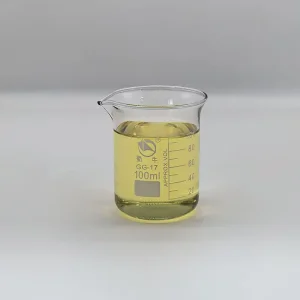
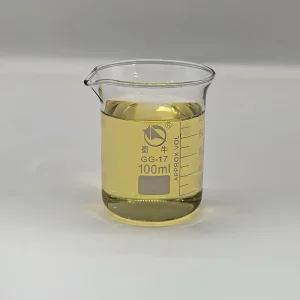
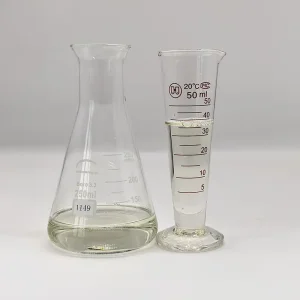
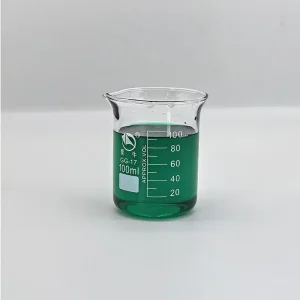
Explore our comprehensive lineup of metal surface finishing chemicals, including high-speed bright copper, pearl nickel, and high/mid/ultra-low phosphorus electroless nickel plating systems.
Electroless nickel-phosphorus (EN) plating is an autocatalytic chemical process used to deposit a uniform layer of nickel-phosphorus alloy on a substrate. Unlike standard electroplating, it requires no external electrical current. This eliminates the "burns" and thickness variations associated with high-current-density areas, making it ideal for components with complex geometries.
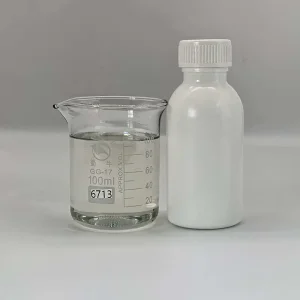
Mid-Phosphorus Electroless Nickel (containing between 6% to 9% phosphorus by weight) represents the most versatile formulation in surface engineering. The phosphorus content dictates the metallurgical characteristics of the deposit. While low-phosphorus (<4% P) coatings are crystalline and highly wear-resistant, and high-phosphorus (>10% P) coatings are completely amorphous and highly corrosion-resistant, Mid-P coatings provide a balanced, semi-amorphous microcrystalline structure that yields excellent compromise properties:
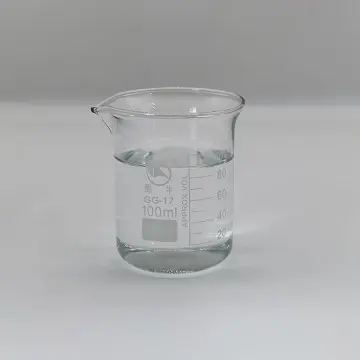
Comparing Low, Mid, and High-Phosphorus electroless nickel coatings helps engineering departments choose the optimal coating thickness and alloy makeup for their specific applications.
| Property Parameter | Low-P (1% - 4% P) | Mid-P (6% - 9% P) [Hitec EN 6713] | High-P (10% - 13% P) |
|---|---|---|---|
| Metallurgical Phase | Crystalline (Ferromagnetic) | Semi-Amorphous / Microcrystalline | Amorphous (Non-Magnetic) |
| As-Deposited Hardness | 650 - 750 HV100 | 500 - 600 HV100 | 450 - 500 HV100 |
| Post-Heat Treat Hardness | Up to 1100 HV100 (350°C, 1hr) | 900 - 1000 HV100 (400°C, 1hr) | 800 - 850 HV100 (400°C, 1hr) |
| Salt Spray Resistance (ASTM B117) | < 24 - 48 Hours | 96 - 240+ Hours | 1000+ Hours (at 25 microns) |
| Plating Deposition Speed | Very Fast (18-23 µm/hr) | Optimal (15-20 µm/hr) | Slower (10-14 µm/hr) |
| Nitric Acid Test Resistance | Poor (Turns Black Instantly) | Good (Resists for > 3 mins) | Excellent (No reaction) |
The global demand for high-performance protective surface solutions is rising due to the demands of severe-duty operating environments. Mid-Phosphorus Electroless Nickel functions as both a barrier layer and a wear preventative, serving critical operations across various key industrial hubs worldwide.
Automobile manufacturers utilize Mid-P EN coatings to protect fuel injection systems, pistons, gears, transmission parts, and brake cylinders from wear and corrosion, extending part life in harsh environments.
Provides barrier layers in leadframes, heat sinks, and electronic component casings. Mid-P EN acts as a diffusion barrier layer to prevent copper migration while offering excellent solderability characteristics.
In highly corrosive downhole environments containing acidic compounds and carbon dioxide, Mid-P EN coatings protect valve bodies, ball valves, connectors, and drilling assemblies from severe erosion.
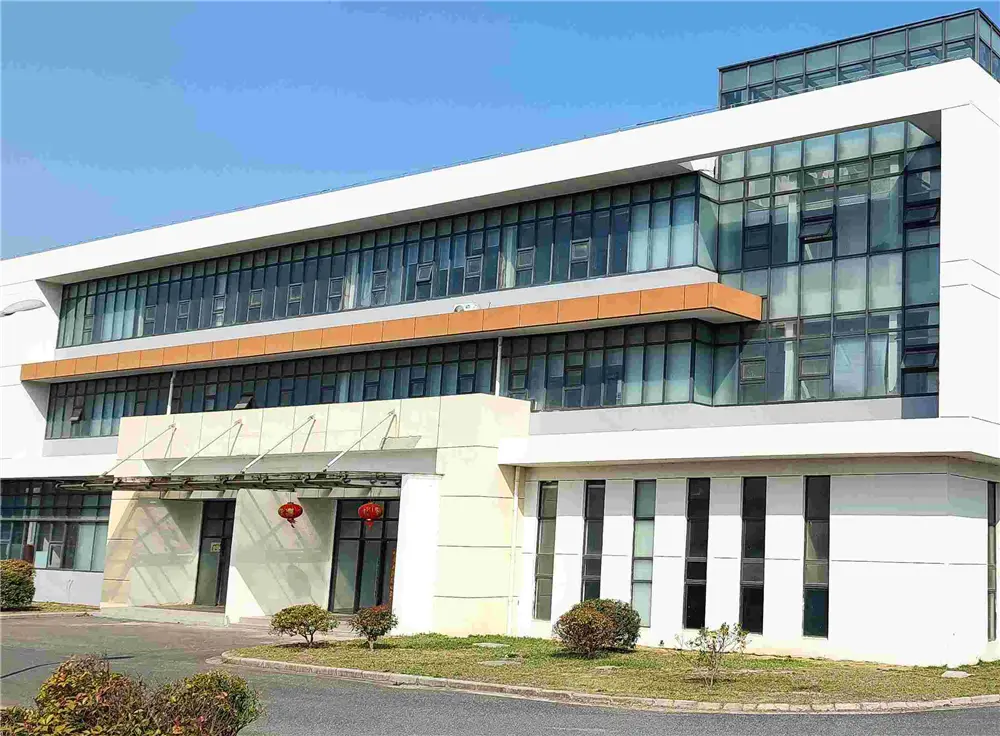
Operating out of the Yangtze River Delta industrial hub in Suzhou, China, Suzhou Hiyie Chemical Co., Ltd. provides chemical supply chain advantages for international buyers:
Operating a chemical bath like the HITEC EN 6713 A/B/C system requires precise process control. Maintaining these optimal chemical concentration boundaries ensures a consistent, high-yield plating rate and long bath life:
The standard system uses a three-part formulation: HITEC EN 6713A contains nickel salts, HITEC EN 6713B contains the reducing agent (sodium hypophosphite) and organic stabilizers, while HITEC EN 6713C acts as the replenisher component during operations. The makeup typically utilizes 6% A, 15% B by volume, mixed with deionized water.
The bath should run between 85°C to 90°C. Running below 82°C slows the deposition rate significantly. pH should be monitored closely and held within the 4.6 to 4.9 range. Use dilute ammonium hydroxide or potassium carbonate for adjustments.
Maintain work load density between 0.5 and 2.5 dm² per liter. Underloading the bath can cause localized over-stabilization, while overloading risks thermal runaway, rapid breakdown, and premature chemical precipitation.
Use continuous 1-micron filtration with 5 to 10 turnover volumes per hour. Gentle solution movement or work-piece agitation helps prevent pitting and ensures hydrogen bubbles clear the metal surface cleanly.
SUZHOU HIYIE CHEMICAL Co.,LTD has a product portfolio that covers consumer electronics, communication equipment, semiconductor industry, automotive hardware, craft gifts, and more. The company has collaborated with multiple domestic and foreign chemical companies and universities to establish a mobile R&D center dedicated to solving technical challenges in the industry. Since its establishment, the company has set up R&D institutions in Wuhan and Shanghai. Its marketing network covers the Pearl River Delta, Yangtze River Delta, and Bohai Rim regions. Its products have been widely used and recognized by many well-known domestic and foreign companies such as Foxconn Technology Group, Qinghai Salt Lake Group, Chint Group, Hongbao Group, Stanley Group, Shifeng Group, and others, earning the company a good reputation and a wide market.
We combine technical support, environmental compliance, and cost-effective operations to support our customers' metal finishing lines.

The company introduces a large number of staff, sales, talents, and is responsible for customers.

The flexible R & D mechanism can satisfy the highest and specific requirements of customers.

The most updated technology with the philosophy of environmentally-friendly.

We have professional pre-sale, sale and after-sale team to provide you with high quality service.
When sourcing industrial chemicals for large-scale production facilities, procurement managers should evaluate the following key parameters to ensure consistent bath performance and finish quality:
Evaluating chemical bath life is crucial for minimizing costs and waste. A higher MTO rating (e.g., 6 to 10 cycles) indicates lower chemistry costs over the lifetime of the bath. It also reduces chemical treatment and disposal expenses.
Plating systems should maintain a stable deposition speed of 15 to 20 microns per hour throughout the bath's life. Slower speeds limit output, while excessive speeds can cause bath instability.
Verify that suppliers provide Pb-free (Lead-free) and Cd-free (Cadmium-free) formulations. Products must comply with RoHS and REACH standards to meet international trade regulations.
Review these technical answers to common questions about electroless nickel surface finishing applications.
Discover our range of chemical additives, trivalent passivation agents, and specialty nickel alloy formulations.
 HIYIE
HIYIE