Engineered chemicals formulated to ensure the highest catalytic performance, bath stability, and coating uniformity.
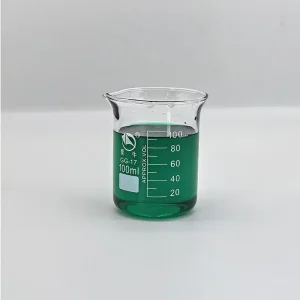
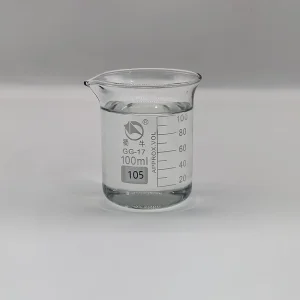
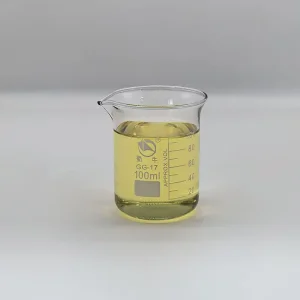
In modern industrial metallization processes, particularly within printed circuit board (PCB) manufacturing, micro-semiconductor packaging, and decorative or functional plastic plating, achieving a uniform and strongly adherent primary metallic deposit on non-conductive substrates is a paramount chemical engineering challenge. This critical process is mediated by a Palladium Activator, a complex chemical solution that catalytic nucleates non-conductive surfaces to initiate the autocatalytic deposition of metals like electroless nickel, electroless copper, or direct metallization layers.
As a leading supplier of advanced chemical additives, Suzhou Hiyie Chemical Co., Ltd. specializes in the synthesis of high-stability colloidal tin-palladium and ionic palladium catalysts. Our formulations are engineered to overcome the thermodynamic boundaries of conventional plating baths, ensuring high bath lifetime, low concentration requirements, and exceptional compatibility with subsequent chemical processes, such as ultra-low phosphorus electroless nickel, alkaline zinc-nickel alloy plating, and chrome-free pretreatment lines.
The manufacturing paradigms for electronic packaging and PCB layout density continue to shrink, requiring catalysts to adapt to tighter geometries and higher aspect ratios. Below, we detail the chemical evolution of palladium activation systems from conventional colloidal solutions to next-generation molecular-level catalysts.
Traditional industrial metallization relies on colloidal tin-palladium catalysts. The catalyst consists of a palladium metal core protected by a shell of hydrated stannous/stannic chloride complexes in a highly acidic hydrochloric acid medium. The critical parameter for colloidal stabilities lies in the molar ratio of Sn/Pd and the absolute ionic strength of the bath. The activation process involves two major chemical stages:
To eliminate the complexity of the acceleration step and the risk of tin hydroxide contamination in high-density interconnect (HDI) microvias, ionic palladium catalysts have been developed. These solutions contain organometallic complexed palladium ions ($Pd^{2+}$). Upon adsorption onto a nitrogen-rich polymer or pre-conditioned surface, the palladium ions are chemically reduced *in-situ* in a subsequent reducing agent bath (often featuring sodium hypophosphite or dimethylamine borane) to form metallic palladium sites. This system prevents the bridging of traces across non-conductive gaps, making it the preferred route for sub-micron trench-filling and ENEPIG (Electroless Nickel Electroless Palladium Immersion Gold) processes.
Our R&D division has focused on resolving the key vulnerabilities of conventional catalysts—namely thermal degradation, sensitivity to air oxidation of $Sn^{2+}$ to $Sn^{4+}$, and strict regulatory limits on concentrated halogen acids. Future-ready technologies currently under validation include:
Palladium activation is not a standalone chemical stage; it must integrate with various substrate properties and subsequent electroplating chemistries. We tailor our product integration guides to meet the stringent demands of major modern manufacturing sectors:
In high-density interconnect (HDI) and multi-layered PCB fabrication, reliable activation of blind vias and through-holes is crucial. Suzhou Hiyie's chemistry ensures that the catalyst penetrates microvias as small as 50μm without air-lock. The high stability of our palladium activator prevents the formation of "pink ring" defects and optimizes the subsequent application of HITEC EN 6713 Mid Phosphorus Electroless Nickel or J0-1 Ultra-Low Phosphorus Electroless Nickel, providing a solid barrier layer for final gold finishing.
For decorative automotive trim and shield components made of ABS or PC/ABS blends, our activation packages are formulated to work seamlessly with trivalent chromium-based etching cycles and Chrome-free etching technologies. By maximizing the density of palladium adsorption sites, we ensure complete coverage and prevent "skip-plating" defects even on complex 3D-molded plastic geometries. Once activated, parts can be processed directly with high-performance 6185 Alkaline Zinc-Nickel Plating or FS100 Semi-Bright Nickel Plating, assuring robust corrosion resistance under high-humidity environments.
SUZHOU HIYIE CHEMICAL CO.,LTD has a product portfolio that covers consumer electronics, communication equipment, semiconductor industry, automotive hardware, craft gifts, and more. The company has collaborated with multiple domestic and foreign chemical companies and universities to establish a mobile R&D center dedicated to solving technical challenges in the industry. Since its establishment, the company has set up R&D institutions in Wuhan and Shanghai. Its marketing network covers the Pearl River Delta, Yangtze River Delta, and Bohai Rim regions. Its products have been widely used and recognized by many well-known domestic and foreign companies such as Foxconn Technology Group, Qinghai Salt Lake Group, Chint Group, Hongbao Group, Stanley Group, Shifeng Group, and others, earning the company a good reputation and a wide market.
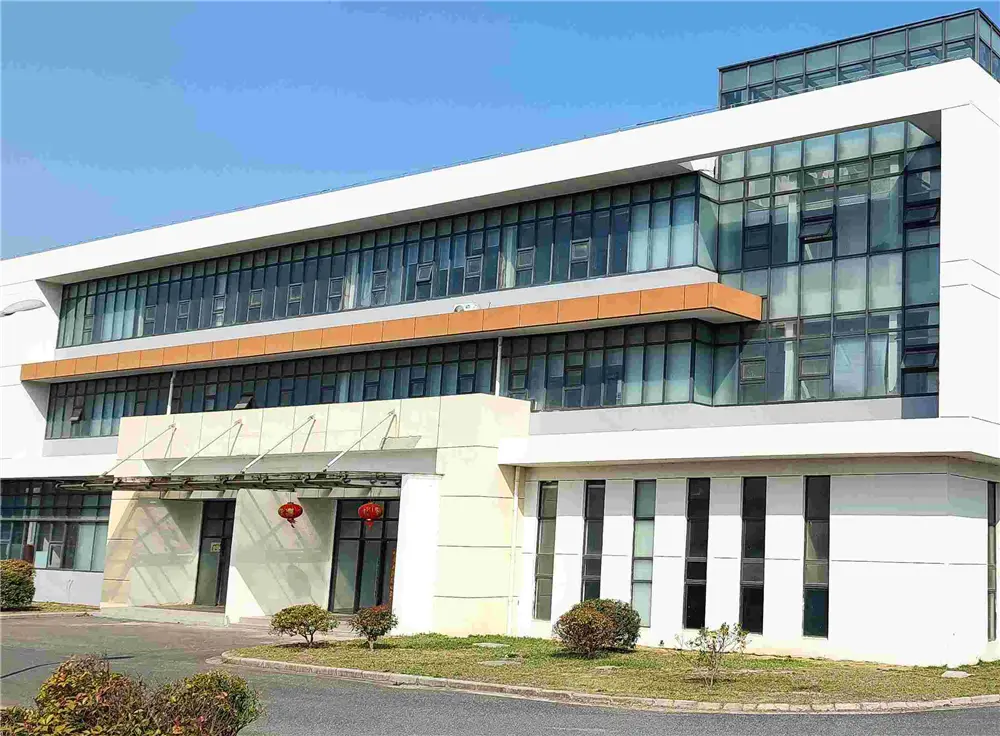
Company Culture & High-End Chemical Laboratory Facilities
Our operations are designed around four foundational pillars to ensure that we deliver reliable chemical performance and localized support across global markets:


At Suzhou Hiyie Chemical, we utilize advanced automation in our synthesis units to ensure consistent batch quality. Our Industry 4.0 production facilities feature integrated feedback control loops that monitor temperature, pH, and agitation rates in real-time during palladium colloid ripening. This level of process control minimizes batch-to-batch variations, which is critical for maintaining stable deposition rates in automated plating lines.
By optimizing raw material sourcing and utilizing regional logistics networks in China, we mitigate supply chain disruptions and offer stable lead times. Our scalable production capacity allows us to adjust output to meet fluctuating demands without compromising on product testing or quality standards.
Operating in international markets requires adherence to environmental regulations and compliance standards. Suzhou Hiyie Chemical is committed to meeting global chemical safety and environmental criteria:
Select a product category below to view our high-performance formulations for nickel plating, electroless systems, and zinc alloys.
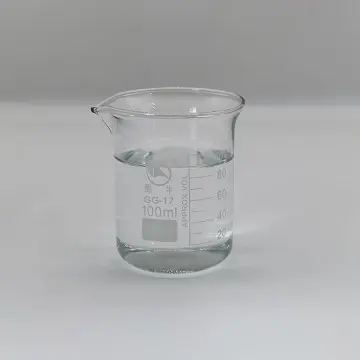
Specially formulated for high ductile deposit with superb corrosion protection.
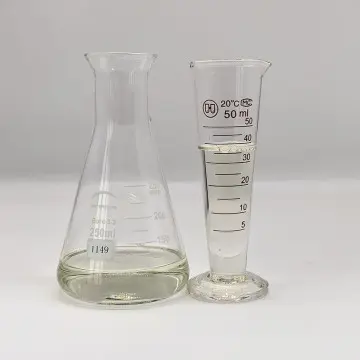
Excellent leveling and bright throw even at low current density areas.
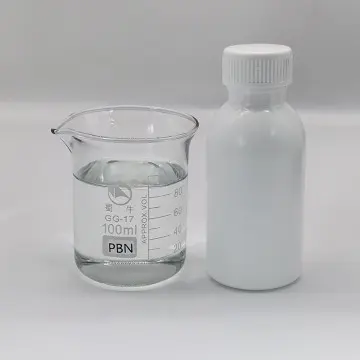
Provides a fine, satin pearl finish for high-end decorative components.
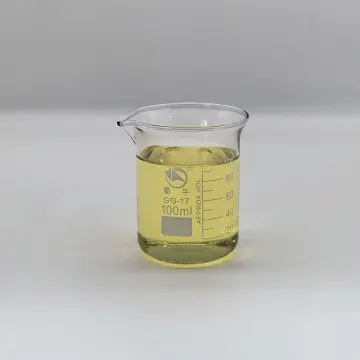
Maximizes plant throughput with rapid brightening rates and stable bath chemistry.
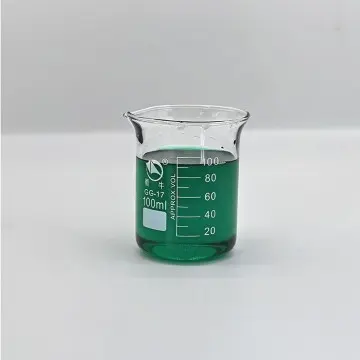
Delivers high hardness and wear resistance with minimum phosphorus inclusion.
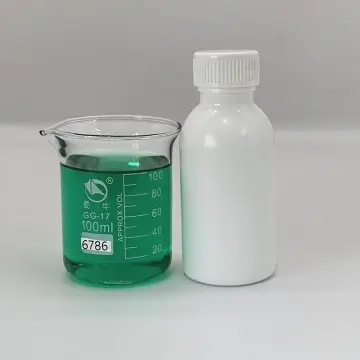
Maximum corrosion resistance under highly acidic and aggressive environments.
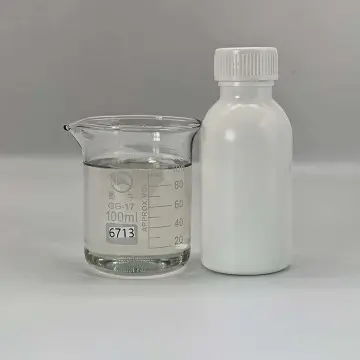
Optimized for wear and corrosion balance, popular in precision engineering.
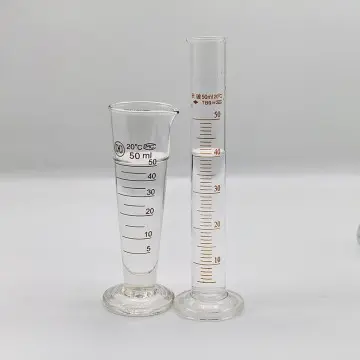
Excellent alloy distribution and superior rust prevention on steel parts.
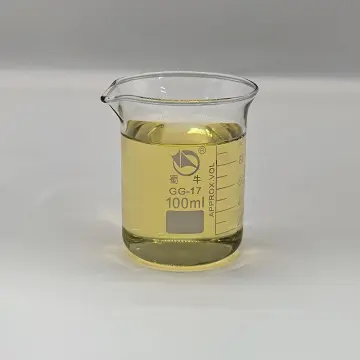
Eco-friendly zinc deposition presenting high brilliance and easy passivation.
For procurement directors and plating managers, selecting a palladium activator supplier involves evaluating both technical specifications and supply chain factors. Below is a checklist designed to assist in the validation process:
Ensure your supplier offers comprehensive analytical support, including atomic absorption spectroscopy (AAS) or inductively coupled plasma (ICP) testing, to help monitor bath concentration. Suzhou Hiyie Chemical provides regular bath analysis services to assist clients in maintaining optimal operating parameters.
Technical answers to common questions about palladium activation, bath maintenance, and troubleshooting.
Stay informed about seasonal operational schedules, technical events, and product releases from our chemical synthesis facilities.
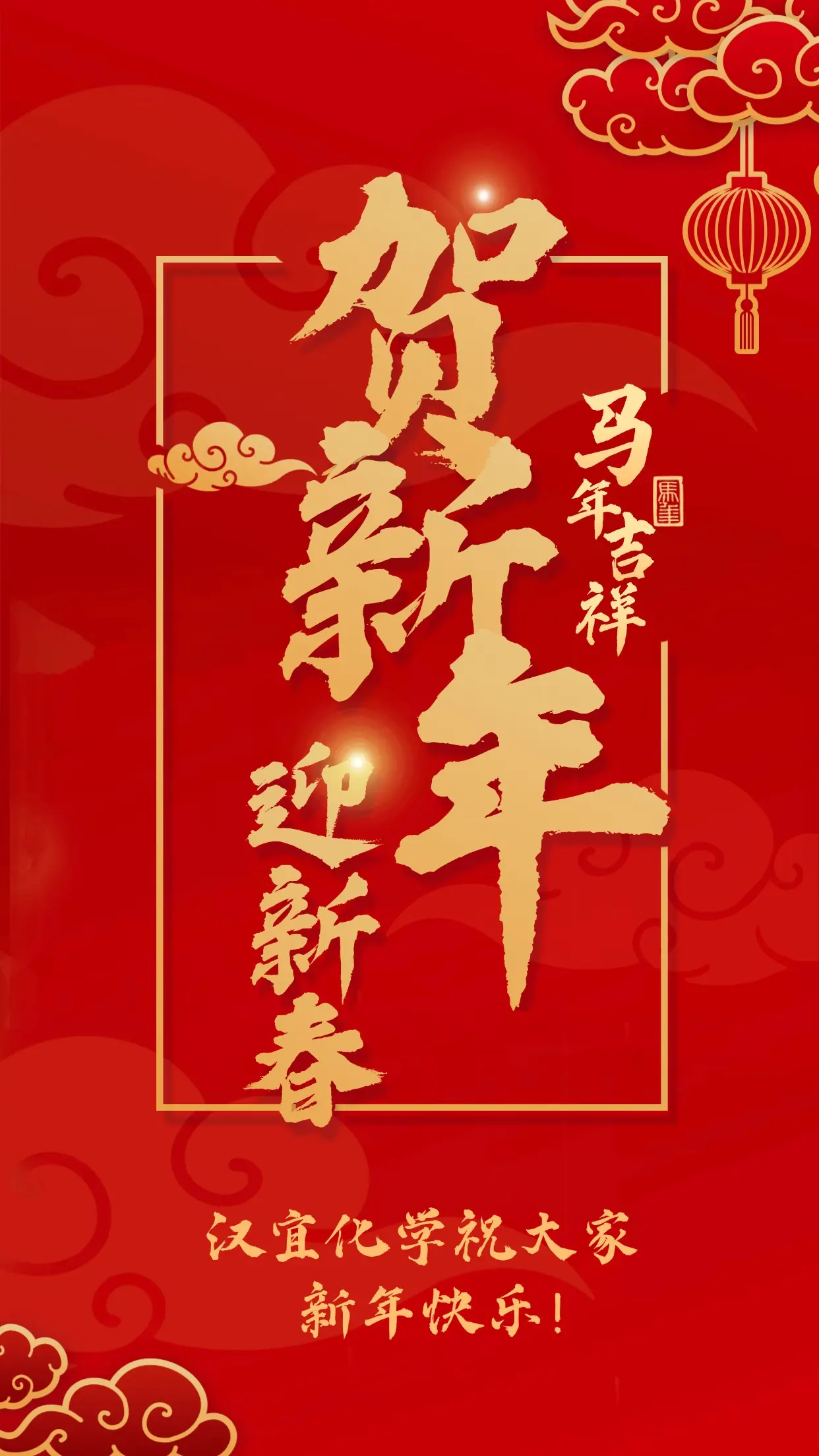
The Snake ushers in blessings as we bid the old year farewell; The Horse brings spring as we embark on a new journey. The New Year bell rings the prelude to progress...
Explore our full range of surface finishing products, including copper brighteners, carrier chemicals, and zinc passivations.
 HIYIE
HIYIE