Explore our elite electroplating chemical products engineered for optimal thickness distribution and superior corrosion barrier protection.
An authoritative analysis of chemistry, process controls, and micro-structural excellence in industrial rack electroplating.
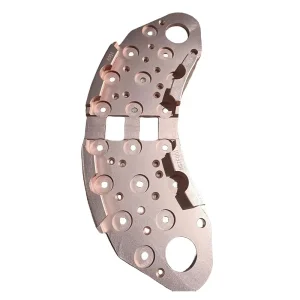
In modern industrial engineering, metal substrates suffer from relentless oxidation and mechanical wear. Rack zinc plating stands out as a premier electrochemical method designed to deposit a sacrificial barrier of zinc onto delicate, large, or complex metallic components. Unlike barrel plating, which subjects parts to rotational tumbling, rack zinc plating mounts items individually on custom-engineered copper racks. This ensures absolute protection against physical deformation, thread damage, and contact marks, making it the choice process for precision manufacturing.
Selecting the optimal electrolyte chemistry determines the functional properties of the final zinc barrier. Acid zinc plating baths (often utilizing potassium chloride and boric acid) offer exceptional brightness, rapid deposition rates, and high current efficiency (up to 95%). However, acid baths exhibit inferior throwing power compared to their alkaline counterparts. For components featuring complex geometries, deep recesses, or internal threads, alkaline cyanide-free zinc plating is utilized. The cyanide-free alkaline system distributes thickness with near-perfect uniformity (a throwing power index approaching 1:1), mitigating the risk of excessive plating build-up on sharp edges while complying with contemporary environmental directives.
Technical Insight: High-performance zinc plating relies heavily on the subsequent passivation layer. Modern trivalent chromium passivation formulations (such as our 216 and ZN-318 series) yield self-healing passivating films. This chemical mechanism prevents moisture ingress and delays the formation of white rust (zinc hydroxide) for over 240 hours under standard ASTM B117 salt spray testing.
High-tensile fasteners and structural brackets are highly susceptible to hydrogen embrittlement during the pickling and cathodic electrodeposition phases. When atomic hydrogen penetrates the steel grain boundaries, the tensile strength drops dramatically, prompting catastrophic structural failures under stress. To prevent this, our manufacturing protocols integrate post-plating baking processes (typically at 200°C ± 5°C for 4 to 24 hours depending on substrate hardness) within two hours of electrodeposition, successfully driving out interstitial hydrogen atoms to safeguard structural integrity.
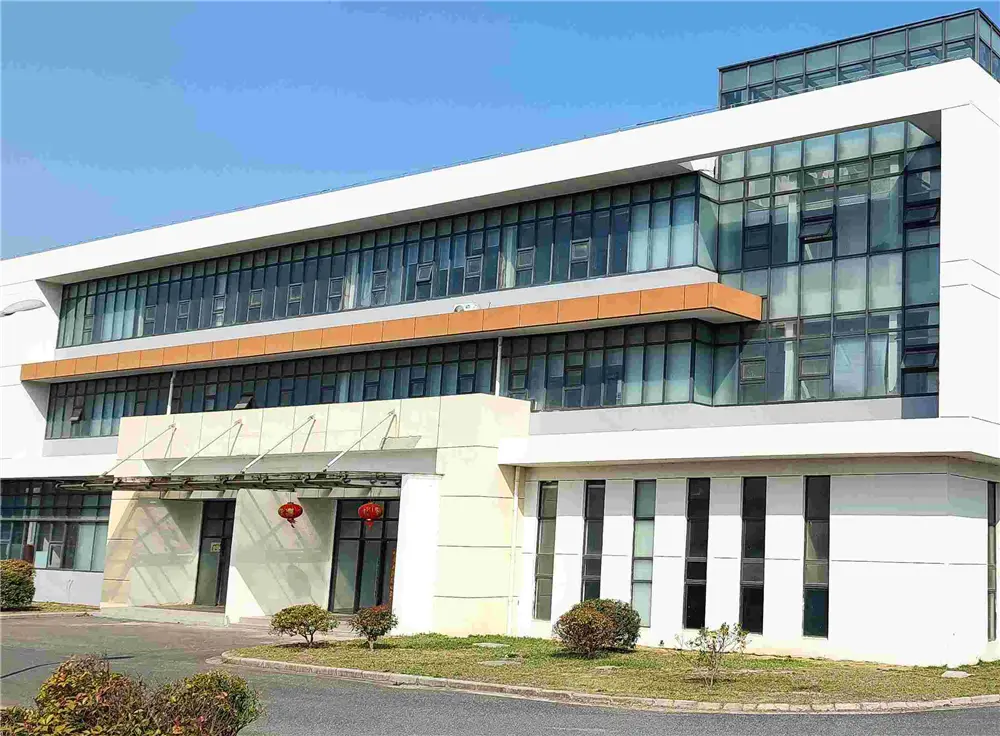
SUZHOU HIYIE CHEMICAL Co.,LTD has built a product portfolio that spans consumer electronics, communication equipment, the semiconductor industry, automotive hardware, craft gifts, and more. To maintain our leadership in surface finishing technology, our company has collaborated with multiple domestic and foreign chemical enterprises and academic institutions to establish a mobile R&D center dedicated to solving critical industry challenges.
Since our founding, we have set up permanent R&D facilities in Wuhan and Shanghai. Our extensive marketing network covers the Pearl River Delta, Yangtze River Delta, and Bohai Rim regions. Our systems and chemical additives are widely used and recognized by top-tier domestic and global organizations, including Foxconn Technology Group, Qinghai Salt Lake Group, Chint Group, Hongbao Group, Stanley Group, Shifeng Group, and others, earning our brand a stellar reputation for chemical consistency, compliance, and custom formulary adaptation.
Read More About UsEngineered for extreme reliability, supply stability, and validated chemical excellence.

Our engineering and support departments are staffed by industry-recognized chemical experts, providing complete process-line setups and technical audits.

Our collaborative R&D framework allows for custom formulation adjustments, adjusting bath parameters to meet unique substrate specifications.

Innovative chemical synthesis ensures high-speed, uniform metal deposition under environmentally friendly, cyanide-free, and trivalent conditions.

We deliver comprehensive technical support, bath analysis, and troubleshooting guidelines to guarantee stability across your electroplating lines.
Navigating international regulatory frameworks with high-capacity production from China's premier industrial chemical corridor.
In the globalized industrial landscape, sourcing electroplating additives and surface finishing solutions requires more than just cost-efficiency. It demands deep compliance with shifting chemical safety laws. Regulatory bodies worldwide are progressively banning hazardous substances like hexavalent chromium (Cr6+) due to its carcinogenicity. As an industry leader, Suzhou Hiyie Chemical strictly designs its processes to align with RoHS (Restriction of Hazardous Substances), REACH (Registration, Evaluation, Authorisation and Restriction of Chemicals), and the EU End-of-Life Vehicles (ELV) Directive.
Operating out of Suzhou, with integrated R&D labs in Shanghai and Wuhan, Hiyie Chemical utilizes China's unmatched raw material ecosystem and manufacturing density. Our production lines ensure continuous access to high-purity chemical precursors, buffering our international clients against global supply shortages. Additionally, our proximity to major ports (such as Shanghai) guarantees rapid logistics, reduced transit times, and lower shipping costs for global distributors.
We believe that supplying chemicals is only half the battle. Global surface finishing operations require localized, prompt support. Our field application engineers assist clients in auditing existing bath chemistries, optimizing rack configurations, adjusting current densities, and refining pretreatment cycles to reduce defect rates. By combining high-performance China-based chemical synthesis with local process knowledge, we ensure our global partners achieve reliable throughput and consistent quality.
How Hiyie Plating Solutions drive durability across diverse industrial sectors.
In high-density communication devices and mobile enclosures, rack plating provides uniform micro-thicknesses (often utilizing pearl nickel or bright nickel finishes) that deliver wear resistance and aesthetic appeal without compromising electrical conductivity.
Engine bay brackets, chassis fasteners, and fluid transmission tubes require extreme protection against road salts and elevated temperatures. Our alkaline zinc-nickel alloy chemistry and trivalent passivates protect these components, achieving up to 1000 hours of salt spray testing without red rust.
Large switchgear components, busbars, and distribution terminal parts rely on heavy-duty electroplated barriers to withstand outdoor exposure and prevent galvanic corrosion. Collaborations with partners like Chint Group validate our stability in demanding electrical environments.
Expert technical insights regarding rack zinc plating, bath diagnostics, and formulation selections.
Rack zinc plating secures parts to fixed metal frames (racks) to transmit the electrical current, making it ideal for large, complex, or fragile parts that cannot withstand tumbling. Barrel plating processes parts loose inside a rotating cylinder, which is much more cost-effective for high volumes of small, robust parts like standard screws and washers, though it can cause contact marks and thread damage.
Hexavalent chromium (Cr6+) is restricted globally due to its toxicity and environmental impact. Trivalent chromium (Cr3+) is RoHS and REACH compliant, offering a safer alternative. While early trivalent passivates yielded lower corrosion resistance, modern formulations (such as our 216 and ZN-318) incorporate nanoparticles and specialized sealers to match or exceed the protection levels of hexavalent chromium.
For steels with tensile strengths exceeding 1000 MPa, acid pickling and electrodeposition force atomic hydrogen into the metal lattice, which can cause cracking under stress. Baking the plated parts at 200°C for 4 to 24 hours within 2 to 4 hours of plating (prior to passivation) drives this hydrogen out, restoring the steel's structural integrity.
According to standards like ASTM B633, mild outdoor exposure typically requires a Service Condition 2 (SC2) coating thickness of 8 µm. For severe outdoor conditions (SC3) or very severe (SC4), thickness requirements increase to 12 µm and 25 µm respectively, often paired with high-performance trivalent passivates and topcoat sealers.
Yes. Our dual research teams in Wuhan and Shanghai focus on custom plating formulations. We adapt parameters like surfactant concentration, grain refiners, and carrier compounds to ensure adhesion on non-standard steel alloys, cast iron, and copper bases.
Stay informed on our chemical innovations, scheduling, and strategic expansions.

As we transition into the new cycle, Hiyie Chemical extends warm wishes to our global partners. The Snake ushers in blessings as we bid the old year farewell; The Horse brings spring as we embark on a new journey. The New Year bell rings the prelude to progress. Both our Shanghai and Wuhan research facilities have resumed full operation, with production schedules fully optimized to meet growing international demand.
Discover our comprehensive range of acid copper, pearl nickel, and high-phosphorus electroless nickel additives.
 HIYIE
HIYIE