Explore our industrial-grade plating formulations engineered for exceptional leveling, corrosion resistance, and brightness.
Semi-bright nickel electroplating represents a critical foundation in high-performance functional and decorative surface treatments. In a multi-layer nickel system, the semi-bright layer is deposited directly onto the base substrate (or copper undercoat) before the subsequent bright nickel layer is applied. The primary objective is to obtain a sulfur-free deposit (sulfur content < 0.005%) which behaves anodically compared to the sulfur-containing bright nickel layer.
By preventing the incorporation of sulfur, the semi-bright layer achieves a higher noble potential. The electrochemical potential difference (STEP) between the semi-bright and bright layers—typically configured between 110 mV and 140 mV—ensures that corrosion propagates laterally within the bright nickel layer instead of penetrating vertically to the substrate. This sacrificial protection mechanism significantly increases the overall salt spray resistance of plated components in automotive, aerospace, and marine environments.
| Electrochemical Metric | Standard Specification | FS100 Optimization Target |
|---|---|---|
| Deposit Sulfur Content | < 0.005% | < 0.002% (Sulfur-free) |
| Potential Difference (STEP) | 110 - 140 mV | 125 - 135 mV (Highly Stable) |
| Ductility (Elongation) | > 8% | > 12% (Outstanding) |
| Internal Stress (Tensile) | < 150 MPa | < 80 MPa (Compressive to Neutral) |
| Leveling Power (at 10 µm) | Moderate to High | Superior (Micro-roughness smoothing) |
The electroplating additive landscape is undergoing a significant transition driven by environmental compliance, energy conservation, and performance requirements.
Traditional semi-bright additives relied heavily on coumarin as a leveling agent. However, coumarin degrades into melilotic acid and other organic compounds that increase deposit stress, reduce ductility, and require frequent batch purification through active carbon treatment. Modern formulations use coumarin-free technology to extend bath life, reduce operating down-time, and ensure long-term mechanical performance.
Global regulatory frameworks have restricted the use of certain surfactants and fluorinated organic chemicals historically present in wetting agents. Today's R&D efforts are focused on developing biodegradable, non-APEO, and PFAS-free mist suppressants and wetting agents that comply with European and American environmental standards while maintaining excellent pit prevention properties.
Industrial operations seek to lower energy consumption by running baths at reduced temperatures (45°C - 50°C instead of 60°C) and higher current densities. Advanced additives must maintain leveling power, brightness uniformity, and low internal stress under these energy-saving conditions without suffering from increased local organic inclusion or chemical breakdown.
For chemical procurement departments in large automotive and electronics manufacturing enterprises, choosing a semi-bright nickel additive supplier is not just about unit price. It involves mitigating technical, regulatory, and logistics risks:
Minor variations in the composition of organic additives can lead to defects like pitting, low ductility, and inadequate potential differences. High-quality suppliers utilize advanced analytical testing, including High-Performance Liquid Chromatography (HPLC) and Nuclear Magnetic Resonance (NMR) spectroscopy, to fingerprint organic compounds and ensure batch consistency.
Global shipments expose chemical additives to extreme temperatures. Quality formulations must contain stabilization packages that prevent precipitation, phase separation, or hydrolysis when stored in temperatures ranging from sub-zero to over 40°C.
Electroplating is a dynamic process influenced by drag-in, anode quality, and metal contamination. Suppliers must offer responsive diagnostic support—including Hull Cell testing, cyclic voltammetric stripping (CVS) analysis, and atomic absorption spectroscopy (AAS)—to keep customer plating lines running smoothly.
Suppliers must provide complete documentation, including GHS-compliant Safety Data Sheets (SDS), REACH registration support, RoHS conformity certifications, and TSCA statements, preventing customs clearance delays and plant audit non-conformities.
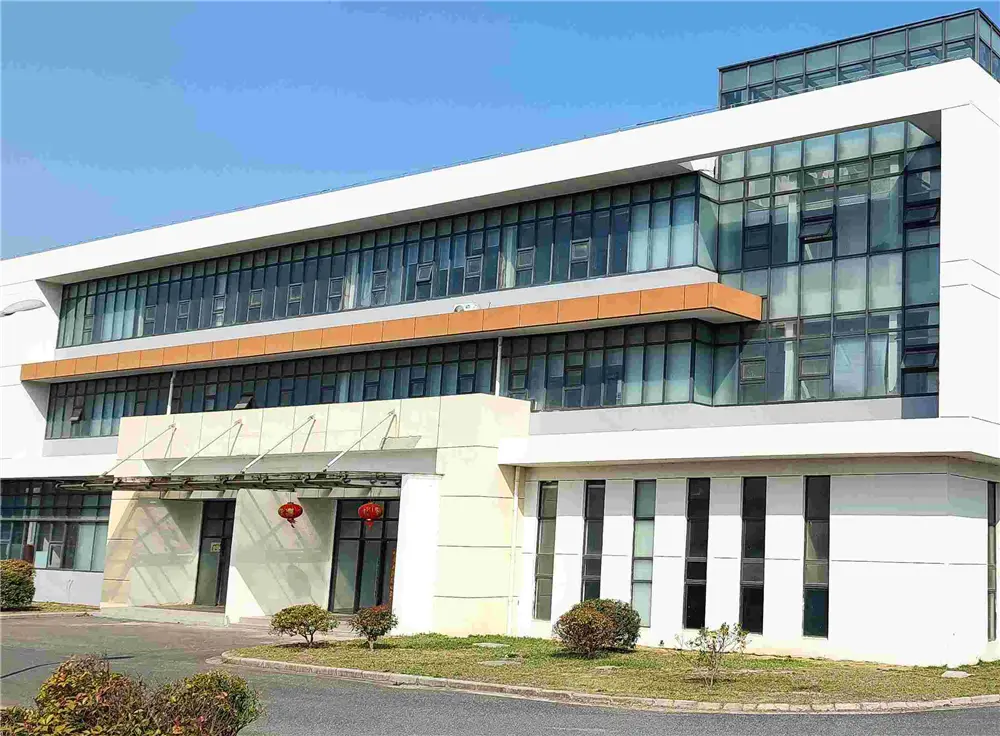
SUZHOU HIYIE CHEMICAL Co., LTD has a product portfolio that covers consumer electronics, communication equipment, semiconductor industry, automotive hardware, craft gifts, and more.
The company has collaborated with multiple domestic and foreign chemical companies and universities to establish a mobile R&D center dedicated to solving technical challenges in the industry. Since its establishment, the company has set up R&D institutions in Wuhan and Shanghai. Its marketing network covers the Pearl River Delta, Yangtze River Delta, and Bohai Rim regions.
Our products have been widely used and recognized by many well-known domestic and foreign companies such as Foxconn Technology Group, Qinghai Salt Lake Group, Chint Group, Hongbao Group, Stanley Group, Shifeng Group, and others, earning the company a good reputation and a wide market.
Explore Our SolutionsThe implementation of high-performance semi-bright nickel processes plays a key role in several demanding global manufacturing sectors:
Automotive components like grilles, trim pieces, and emblems are subject to harsh environments including de-icing salts, moisture, and temperature fluctuations. Multi-layer plating systems consisting of copper, semi-bright nickel, bright nickel, micro-porous nickel, and trivalent chromium provide reliable corrosion protection, meeting the strict requirements of OEMs globally.
In high-frequency connectors and electromagnetic shielding, semi-bright nickel deposits provide a barrier against base metal diffusion while offering high ductility to prevent cracking during assembly. The smooth deposition reduces high-frequency signal losses (skin effect), ensuring signal integrity in communication devices.
Tools, sanitary fittings, and premium hardware require both wear resistance and a high-quality finish. Semi-bright nickel processes provide high leveling and thickness uniformity across complex geometries, reducing the need for mechanical polishing after plating and lowering production scrap rates.
Leveraging R&D expertise and advanced quality control systems to support your production lines.
The company introduces a large number of staff, sales, and technical talents, ensuring reliable service and support for our customers.
Our flexible R&D mechanism enables us to meet both demanding technical standards and customized requirements from our customers.
We leverage up-to-date technologies developed with an environmentally friendly philosophy, ensuring sustainable finishing operations.
Our professional pre-sale, sales, and after-sales teams provide technical assistance to ensure continuous bath performance.
Maintaining a semi-bright nickel bath requires monitoring chemical concentrations and electrochemical behavior. Below is a diagnostic matrix for common process deviations in duplex nickel lines:
| Observed Symptom | Probable Root Cause | Recommended Corrective Actions |
|---|---|---|
| Loss of potential difference (STEP < 110 mV) | Contamination of semi-bright bath with sulfur-bearing organic brighteners from drag-in or breakdown. | Perform carbon filtration, check rinse tanks, and verify chemical dosing of sulfur-free carriers. |
| Pitting or gas bubbles on the surface | Low concentration of wetting agent, high surface tension, or iron contamination. | Analyze wetting agent concentration; add air agitation or perform low current density dummy plating (electrolysis). |
| Haziness in low current density areas | Metallic contamination (e.g., zinc or copper) or organic degradation product buildup. | Conduct low current density dummy plating at 0.1–0.3 A/dm², or perform carbon purification treatment. |
| Reduction in leveling power | Leveler depletion, low temperature, or high pH. | Adjust pH to 4.0 - 4.5, optimize bath temperature to 55°C, and replenish leveling additives based on Hull Cell test results. |
Practical answers to common chemical and operational questions from surface finishing engineers.
Stay updated with the latest updates, event announcements, and milestones from Hiyie Chemical.
Explore our wider range of passivations, copper plating, and electroless nickel systems designed for industrial reliability.
 HIYIE
HIYIE