Explore our core high-performance surface finishing additives, chemistry formulations, and passivation agents engineered for maximum corrosion resistance and durability.
A Scientific Perspective on Corrosion Protection, Metal Co-deposition Kinetics, and Industrial Application Standards.
Unlike simple sacrificial zinc coatings, zinc-nickel alloy coatings (specifically containing 12-15% nickel content) offer a unique dual-phase protection. The presence of the Gamma phase (Ni5Zn21) structure provides exceptional barrier protection coupled with controlled galvanic protection, significantly lowering the corrosion rate in saline and acidic environments.
High-strength steel fasteners used in automotive and aerospace fields are highly susceptible to hydrogen embrittlement during acid pickling and electroplating. Advanced alkaline cyanide-free zinc plating and trivalent passivation chemistries minimize active hydrogen absorption, preserving the component’s structural tensile strength.
Post-treatment processes utilize trivalent chromium passivations and nano-silica composite sealers. This combination guarantees neutral salt spray (NSS) resistance values exceeding 1000 hours to red rust, fulfilling strict automotive requirements while meeting global environmental compliance regulations.
How Next-Gen Coatings are Reshaping Wear Resistance, Decarbonization, and Sustainable Chemical Technologies.
Historically, hexavalent chromium was the standard for corrosion protection, but its severe carcinogenicity prompted the industry shift to trivalent chromium. Currently, the research frontier focuses on removing cobalt stabilizer ions from trivalent passivates. By developing novel organic complexing agents, suppliers are launching cobalt-free passivates that achieve comparable or superior thermal shock resistance (e.g., maintaining barrier performance after 24 hours at 120°C).
Integrating nanotechnology directly into sealers is another key trend. Modern topcoats are doped with colloidal silica, silicate microcapsules, or graphene oxides. When the coating suffers minor abrasions, mechanical pressure triggers the microcapsules to release silicates, which react with surrounding zinc ions to form a protective passivation film, effectively "self-healing" the surface damage.
The electroplating sector is undergoing significant decarbonization. Suppliers are optimizing bath chemistry to lower operating temperatures, improve cathode efficiency, and eliminate hazardous substances.
Customizing surface electrodeposition chemistry to withstand the diverse operational stresses of critical global sectors.
From brake calipers and fuel lines to under-the-hood fasteners, our zinc-nickel plating solutions satisfy major automotive specifications (e.g., GMW3044, Ford WSS-M21P17, VW TL 244). Excellent galvanic compatibility with aluminum components prevents bi-metallic corrosion.
Utility-scale solar racking and wind turbine mechanical hardware require long-term environmental protection. Outdoor structures coated with our robust trivalent passivated zinc systems offer outstanding UV and atmospheric corrosion resistance, reducing ongoing field maintenance costs.
Shielding cans, connector shells, and semiconductor lead frames require specific electrical contact resistance combined with anti-corrosion behavior. Specialized pearl nickel and copper electrodeposition chemistries provide precise barrier control and reliable solderability.
Access specialized intermediate plating chemicals, electroless nickel formulations, and trivalent passivates.
Navigating REACH, RoHS, and ELV requirements with local expert technical support and robust testing protocols.
All electroplating additives and passivation chemicals undergo rigorous analytical control to ensure full compliance with EU REACH, RoHS, and End-of-Life Vehicles (ELV) directives. Heavy metal concentrations, particularly cadmium, lead, and hexavalent chromium, are kept strictly below standard detection thresholds.
We provide global manufacturing facilities with dedicated local chemical engineers to handle bath setup, process optimization, and troubleshooting. Our quick-response labs offer atomic absorption spectroscopy (AAS) and Hull cell testing to analyze bath compositions and rectify imbalances within 24 hours.
Comprehensive technical documentation, including safety data sheets (SDS) formatted to regional GHS requirements, certificates of analysis (COA), and technical data sheets (TDS), accompanies every shipment to ensure a smooth customs clearance process and seamless production deployment.
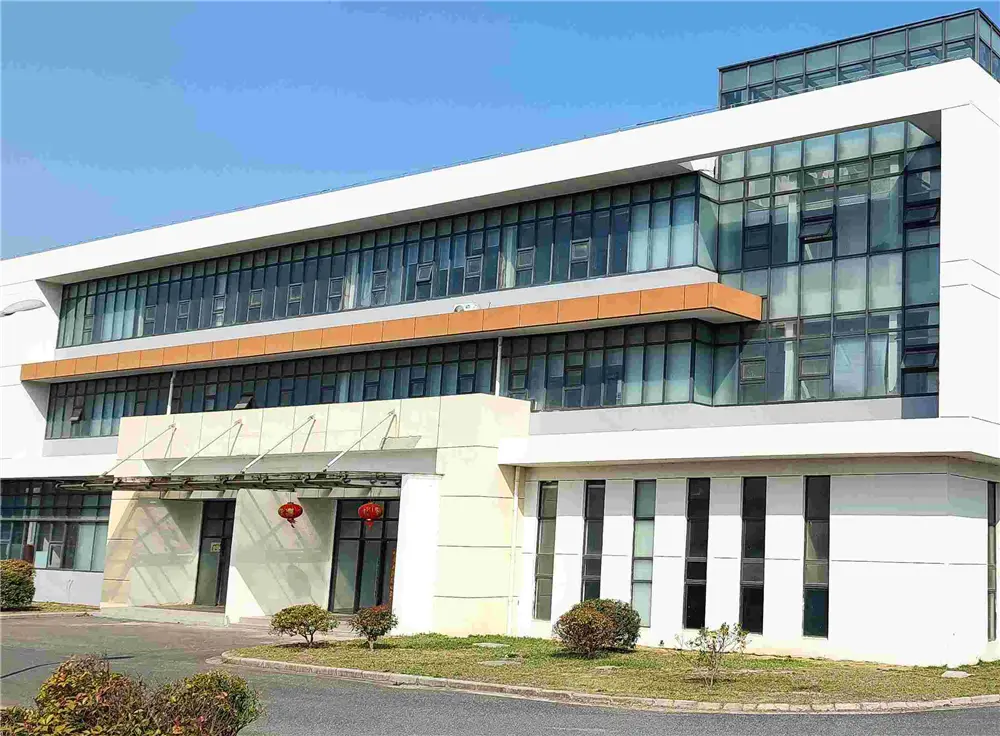
SUZHOU HIYIE CHEMICAL CO., LTD. boasts a product portfolio covering consumer electronics, communication equipment, the semiconductor industry, automotive hardware, craft gifts, and more. The company has collaborated with multiple domestic and foreign chemical companies and universities to establish a mobile R&D center dedicated to solving technical challenges in the electroplating industry.
Since its establishment, the company has set up R&D institutions in Wuhan and Shanghai. Its marketing network covers the Pearl River Delta, Yangtze River Delta, and Bohai Rim regions. Hiyie's solutions are widely used and recognized by leading multinational corporations, including Foxconn Technology Group, Qinghai Salt Lake Group, Chint Group, Hongbao Group, Stanley Group, and Shifeng Group, earning the company an outstanding reputation and broad market presence.
Delivering engineering excellence, state-of-the-art laboratory analysis, and professional technical support services.

The company introduces a large number of staff, sales, talents, and is responsible for customers.

The flexible R & D mechanism can satisfy the highest and specific requirements of customers.

The most updated technology with the philosophy of environmentally-friendly.

We have professional pre-sale, sale and after-sale team to provide you with high quality service.
Leveraging automation, computerized batching, and scalable production logistics in Suzhou, China.
Operating from the heart of the Yangtze River Delta industrial hub, Suzhou Hiyie Chemical integrates Factory 4.0 principles into the manufacturing of surface finishing chemistry. Automated DCS (Distributed Control Systems) oversee all organic synthesis processes, ensuring chemical purity levels that consistently exceed 99.8% across various batches.
This advanced smart automation allows us to adapt production scales instantly, matching client demands from small-batch custom formulations to high-volume commercial electroplating chemicals.
Direct raw chemical supply partnerships guarantee steady pricing and insulate production from raw material shortages.
Integrated GC-MS, HPLC, and ICP-OES instrumentation analyze chemical compounds for impurities down to ppm levels.
Key technical metrics to evaluate when vetting industrial electroplating additive suppliers.
Verify the system's cathode efficiency. High efficiency (typically 85-95% for acid baths, 60-75% for alkaline baths) reduces electrical consumption, minimizes hydrogen codeposition, and shortens cycle times.
Ensure uniform coating thicknesses on components with complex geometries, blind holes, or deep recesses. Alkaline zinc-nickel formulations provide exceptional throwing power, eliminating excessive deposit build-up on outer edges.
Assess the stability of the brighteners and carrier chemicals inside the plating bath. Highly stable compounds result in less breakdown products, requiring fewer carbon filtration treatments and lowering operational costs.
Providing transparent technical answers regarding chemical behavior, line setups, and performance specifications.
Stay updated with our manufacturing milestones, corporate announcements, and holiday schedules.

The Snake ushers in blessings as we bid the old year farewell; The Horse brings spring as we embark on a new journey. The New Year bell rings the prelude to progress; our production and sales teams stand ready to support your supply lines throughout the coming year.
Browse our high-performance electroless nickel and specialized copper electrodeposition chemistries.
 HIYIE
HIYIE