Explore our premium grade chemical solutions engineered for maximum durability, corrosion resistance, and precision engineering application.
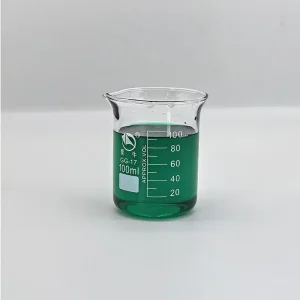
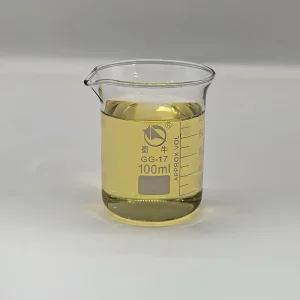
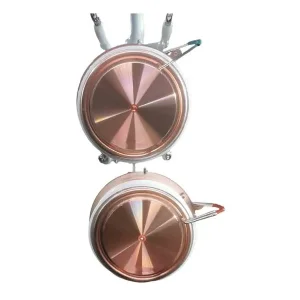
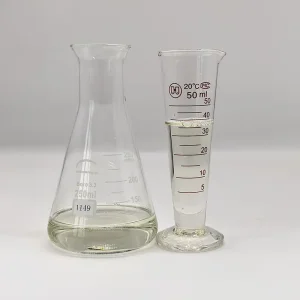
In modern industrial engineering, surface finishing functions not merely as an aesthetic enhancement, but as a critical line of defense against atmospheric and chemical degradation. As global infrastructure networks, automotive fleets, and microelectronics continue to scale, the global demand for advanced zinc and chrome plating systems has registered exponential growth.
Historically, protective plating relied on relatively basic electrolytic solutions. Today, electrochemistry must meet stringent engineering requirements under severe conditions. Our role as a premier high-quality zinc and chrome manufacturer is to formulate and supply chemical additives that achieve ultra-even deposit profiles, optimal crystal structure refinement, and remarkable functional properties.
Whether in sub-zero marine environments or high-temperature automotive engines, components protected by specialized zinc alloys (such as zinc-nickel) and trivalent chromium show significantly longer service lives, directly lowering total lifecycle costs for engineering operations worldwide.
How international buyers navigate the transitioning landscape of chemical import regulations, sustainability mandates, and technical specs.
Global procurement teams prioritize zero-compromise adherence to Environmental Protection Agency (EPA), REACH, and RoHS directives. The industry-wide transition away from hexavalent chromium (Cr6+) to trivalent chromium (Cr3+) represents a major milestone in worker safety and toxic waste reduction.
Modern engineering contracts demand proven performance indicators. Procurement departments require chemical suppliers to present validated Hull Cell testing profiles, precise deposit thickness analysis, and ASTM B117 salt spray metrics to guarantee continuous surface integrity.
In an era defined by macro-logistical shifts, sourcing directors seek partnerships with chemical manufacturers who maintain independent supply networks, vertically integrated precursor synthesis, and substantial buffer reserves to mitigate supply interruptions.
Unveiling the molecular innovations redefining modern electroplating efficiency, safety, and corrosion protection performance.
Standard zinc plating is rapidly giving way to Zinc-Nickel alloy electroplating (typically containing 12-15% nickel). This micro-crystalline structure exhibits exceptional corrosion resistance (frequently exceeding 1000 hours of neutral salt spray without red rust), while minimizing the danger of galvanic corrosion when coupled with aluminum.
Ecological safety directives have prompted a transition away from cyanide-based plating baths. Modern alkaline cyanide-free bright zinc plating systems, like our 8315 series, offer a highly stable deposit, excellent thickness distribution, and simplified wastewater treatment without using toxic complexing agents.
Our trivalent chromium chemistry represents the state-of-the-art in post-zinc passivation. By creating a dense, self-healing oxide film over the zinc deposit, formulations like our 216 and ZN-318 series achieve high temperature tolerance and long-term corrosion prevention without the health and environmental risks of hexavalent chromium.
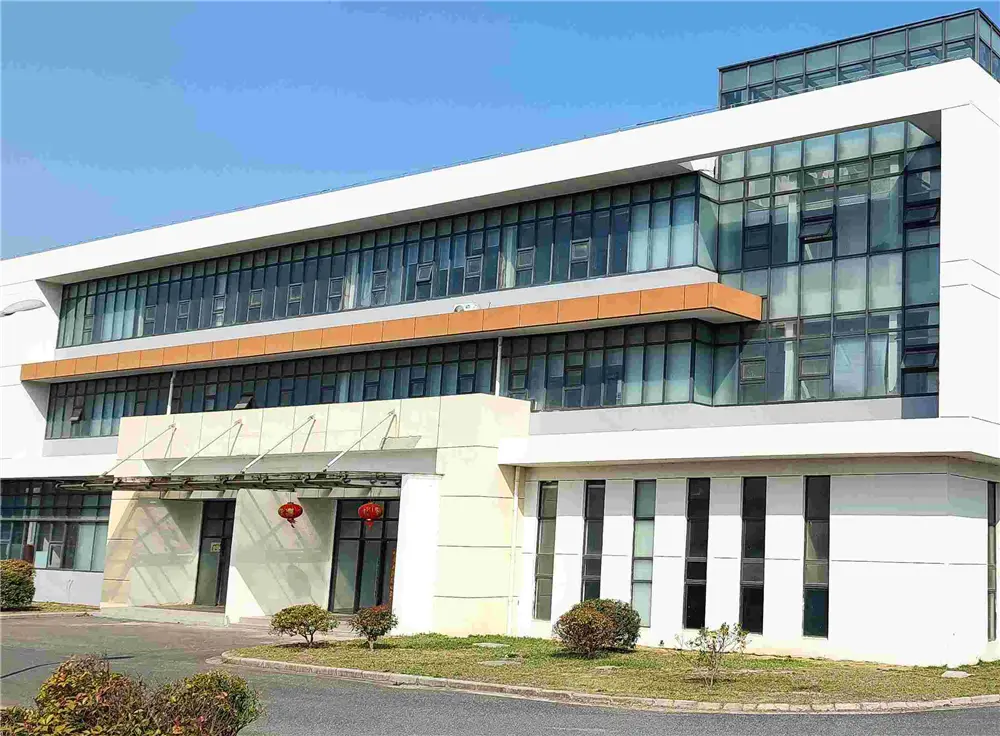
Global industrial supply networks require a balance of quality, consistency, and volume scalability. Suzhou Hiyie Chemical Co., Ltd. (hiyie) has spearheaded this trend by integrating advanced automation, digital tracking, and ecological systems into our manufacturing pipelines.
By using smart dosing, real-time temperature control, and closed-loop process monitoring, we ensure that every batch of electroplating chemicals matches exact specification sheets. Our production facilities maintain a flexible R&D model, designed to satisfy the specific structural and chemistry needs of our clients.
Furthermore, our robust logistical networks spanning key economic zones—including the Pearl River Delta, Yangtze River Delta, and Bohai Rim—ensure timely shipping, low freight costs, and rapid reaction times to changing market dynamics.
Operating dedicated research facilities in Wuhan and Shanghai, focusing on solving industry challenges in surface engineering and sustainable electrochemistry.
Our experienced engineering team assists clients with custom formulations, bath optimization, and on-site troubleshooting to minimize line downtime.
We focus on clean, sustainable technologies designed to reduce waste processing costs and support a circular industrial economy.
Our dedicated support team provides comprehensive technical backup from initial sample testing through full-scale production implementation.
Demonstrating performance and versatility across critical global industries, from consumer electronics to automotive hardware.
In the automotive industry, components are exposed to salt spray, gravel, and high engine temperatures. Applying our 6185 Alkaline Zinc-Nickel Plating combined with trivalent passivation protects vital safety components like brake calipers, fuel pipes, and high-tensile fasteners.
Modern communication hardware and mobile devices require thin, uniform plating. Our pearl nickel and electroless nickel systems are designed to protect micro-connectors and shield cases, preventing tin whiskers while maintaining excellent electrical conductivity.
For large-scale power transmission grids and structural steel assemblies, our acid copper and bright zinc formulations provide long-term protection, extending the lifespan of exposed steel components in humid or chemical environments.
Suzhou Hiyie Chemical's advanced formulations are trusted by leading enterprises, including Foxconn Technology Group, Qinghai Salt Lake Group, Chint Group, Hongbao Group, Stanley Group, Shifeng Group, and many others, establishing our reputation as a trusted manufacturing partner.
Common questions from engineering, procurement, and quality assurance professionals answered by our chemical experts.
Trivalent chromium passivation (Cr3+) uses safer, non-toxic chromium compounds that comply with RoHS and REACH regulations, unlike hexavalent chromium (Cr6+), which is a known carcinogen and faces severe global restrictions. Performance-wise, modern Cr3+ systems, when combined with appropriate sealers, match or exceed Cr6+ in corrosion protection, showing high thermal stability and self-healing properties without the associated environmental risks.
Zinc-Nickel plating (usually 12-15% nickel content) offers superior corrosion protection compared to standard zinc plating. It regularly withstands over 1,000 hours of neutral salt spray testing before the appearance of red rust. Additionally, it has a high thermal tolerance (up to 200°C), provides high wear resistance, and reduces galvanic corrosion when contact is made with aluminum body panels.
Traditional cyanide plating baths require complex, multi-stage oxidation treatments (using chlorine or sodium hypochlorite) to safely break down toxic cyanides in wastewater. Alkaline cyanide-free zinc plating systems eliminate these hazards entirely. The wastewater can be treated using simple pH adjustment and precipitation techniques, significantly reducing chemical costs and improving workplace safety.
The percentage of phosphorus codeposited with nickel determines the physical properties of the coating:
1. Low Phosphorus (1-3% P): High as-plated hardness, excellent wear resistance, and high alkaline environment resistance.
2. Mid Phosphorus (6-9% P): Balanced wear resistance, good corrosion resistance, and high plating rates.
3. High Phosphorus (>10% P): Superior corrosion resistance in acidic environments, non-magnetic properties, and high ductility.
To mitigate hydrogen embrittlement in components with a tensile strength exceeding 1000 MPa, a combination of process design and post-treatment is required:
1. Minimize acid pickling times by using mechanical descaling where possible.
2. Use high-efficiency alkaline zinc-nickel or alkaline zinc baths, which generate less hydrogen at the cathode.
3. Perform baking (typically 200°C for 4 to 24 hours depending on component thickness) immediately after plating, and before applying passivation coatings.
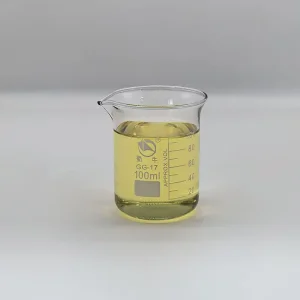
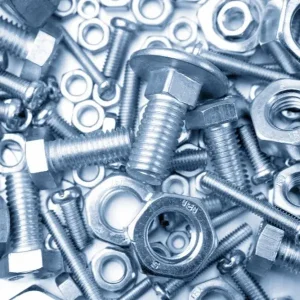
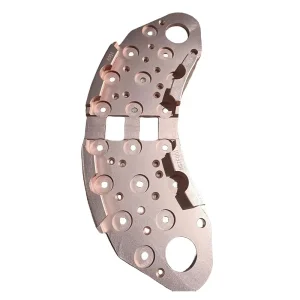
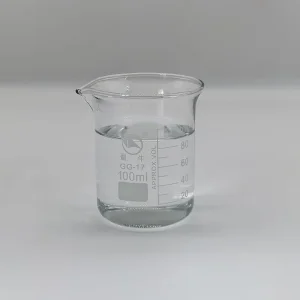
Review our specialized chemical carriers, brighteners, and additives designed to improve bath stability and plating performance.
 HIYIE
HIYIE