Explore our premium range of electroplating, passivation agents, and specialty surface treatment chemicals designed for extreme corrosion resistance.
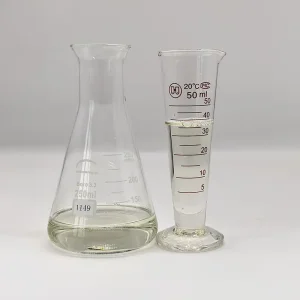
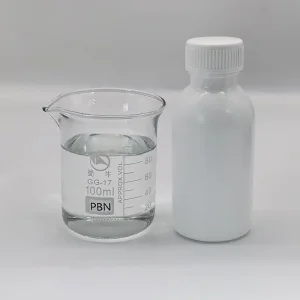
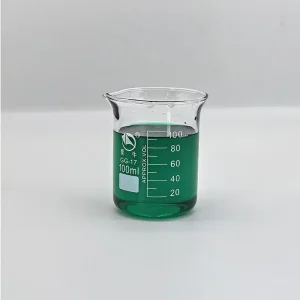
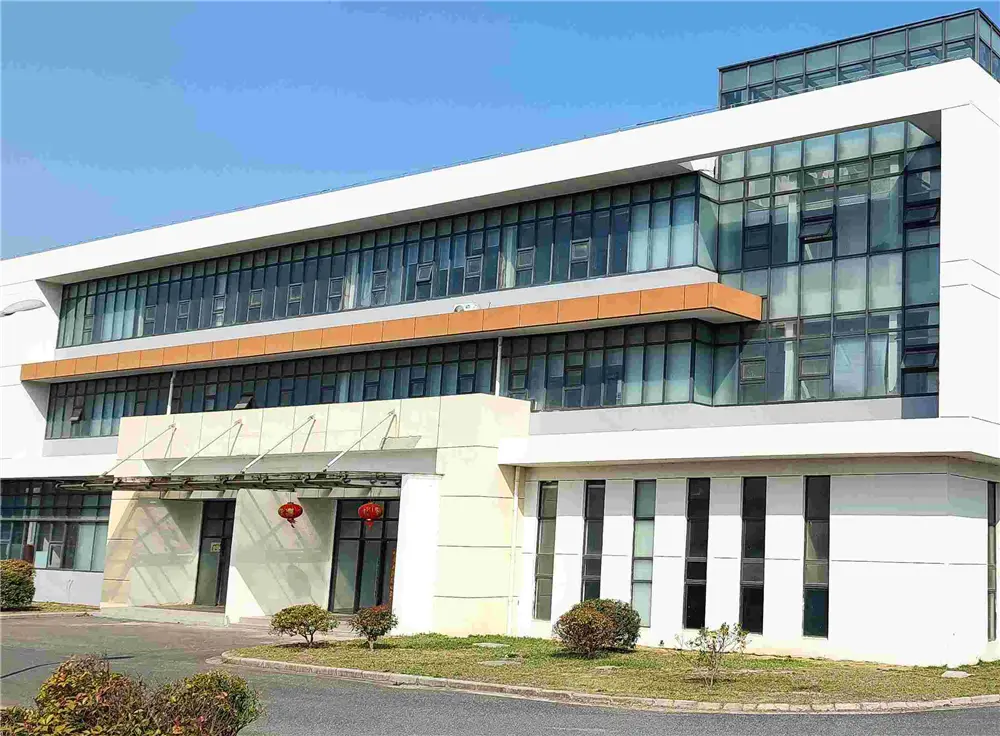
SUZHOU HIYIE CHEMICAL CO., LTD has established itself as an elite pioneer in the surface finishing industry. Our deep product portfolio meticulously serves consumer electronics, critical communication systems, semi-conductor components, precision automotive hardware, and high-tolerance industrial applications.
By building long-term alliances with premier domestic and international chemical engineering faculties and global research universities, we operate a highly responsive, mobile R&D center. This collective powerhouse is designed exclusively to resolve complex industrial electrochemistry bottlenecks. Hiyie operates world-class research facilities in Wuhan and Shanghai, anchoring a marketing and technical support grid spanning the Pearl River Delta, Yangtze River Delta, and the Bohai Rim.
Our formulations are approved and continuously utilized by heavyweights including Foxconn Technology Group, Qinghai Salt Lake Group, Chint Group, Hongbao Group, Stanley Group, and Shifeng Group. We bridge the gap between heavy chemical engineering and clean environmental compatibility.
Next-Generation Zinc-Nickel Passivation: Scientific Principles, Global Supply Resiliency, and Industry Dynamics.
Zinc-nickel alloy electroplating has emerged as the gold standard for high-performance corrosion mitigation, offering up to ten times the protection of traditional zinc plating. The alloy deposit, typically containing 12% to 15% nickel, provides a barrier and sacrificial coating that exhibits structural stability. However, the raw zinc-nickel deposit requires subsequent passivation to achieve maximum chemical and mechanical endurance.
Trivalent Chromium Color Passivation Agents chemically react with the zinc-nickel matrix to form an amorphous conversion layer. Unlike obsolete and toxic hexavalent chromium (Cr6+) systems, trivalent chromium (Cr3+) processes leverage a deposition mechanism initiated by a localized pH rise at the metal-solution interface. As zinc dissolves, hydrogen ions are consumed, causing trivalent chromium to precipitate as chromium hydroxide alongside zinc and nickel oxides. This creates an extremely dense, nanostructured barrier layer that exhibits outstanding self-healing properties when combined with cobalt or other transition metal nanoparticle catalysts.
| Performance Characteristic | Hexavalent Chromium System (Legacy) | Hiyie Trivalent Chromium System (Advanced) |
|---|---|---|
| Neutral Salt Spray Test (ASTM B117) | 120 - 240 Hours (to White Rust) | 720 - 1000+ Hours (to Red Rust with Topcoat) |
| Thermal Shock Endurance | Degrades rapidly above 120°C | Maintains integrity up to 200°C - 300°C |
| Environmental Compliance | Banned under RoHS, REACH, WEEE | Fully compliant with RoHS, REACH, & ELV |
| Micro-Cracking Resistance | Low; prone to drying stress cracks | High; flexible nano-amorphous lattice structure |
Tier-1 automotive suppliers, aerospace contractors, and marine hardware manufacturers face stringent standards regarding environmental impact and durability. The End-of-Life Vehicles (ELV) Directive and European REACH regulations have accelerated the global phasing-out of hexavalent coatings, generating massive demand for high-performance trivalent alternatives.
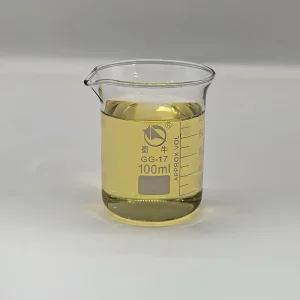
When procurement managers source a Zinc-Nickel Alloy Trivalent Chromium Color Passivation Agent, their requirements go beyond basic salt-spray hours. High-value factors include:
"Industrial buyers are transitioning away from buying individual chemicals. Modern procurement values system integration, where alkaline zinc-nickel plating solutions, trivalent passivates, and nano-sealants are calibrated as a single electrochemical unit."
Suzhou Hiyie Chemical sits at the crossroads of China's advanced chemical manufacturing revolution. Factory 4.0 principles drive our production, combining real-time quality control, automated synthesis, and strict environmental compliance to secure global supply resilience.
Our manufacturing facilities utilize automated batch reactors equipped with inline spectrophotometers and chromatography instruments. This ensures that every batch of trivalent passivation agent exhibits exact stoichiometric ratios of active chromium complexes, organic stabilizers, and color promoters. In an era marked by volatile raw material costs and shipping bottlenecks, our strategic location in the Yangtze River Delta offers immediate access to foundational petrochemical inputs, local R&D hubs, and global deepwater ports.
Different operating environments require specific mechanical and chemical properties. Our trivalent chromium passivation solutions are formulated for targeted performance:
A synergistic approach combining advanced chemical research, robust manufacturing infrastructure, and technical service.
Our team includes PhD electrochemists, materials engineers, and dedicated quality specialists committed to optimizing your plating line.
Flexible synthesis mechanisms allow us to tailor chemical characteristics (viscosity, color depth, reaction speeds) to meet unique line specifications.
We develop high-performance chemicals aligned with international environmental directives like REACH, ELV, and RoHS.
Our field technicians support you from setup and bath installation to continuous analysis, troubleshooting, and plant optimization.
In-depth technical answers addressing operational hurdles in Zinc-Nickel plating and Trivalent Passivation processes.
Keep pace with our research developments, corporate initiatives, and advancements in plating chemical technologies.

Suzhou Hiyie Chemical continues to expand its product line, developing advanced, eco-friendly surface chemistry formulations that enhance durability and meet evolving global regulatory standards. Our R&D teams are working closely with industry partners to deliver next-generation passivation agents designed for challenging operating environments.
Explore our extensive portfolio of copper, nickel, and zinc plating solutions designed to work alongside our passivation systems.
 HIYIE
HIYIE