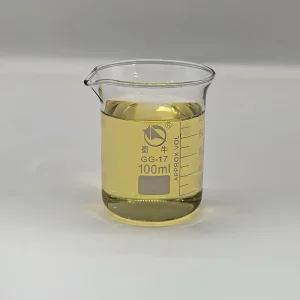
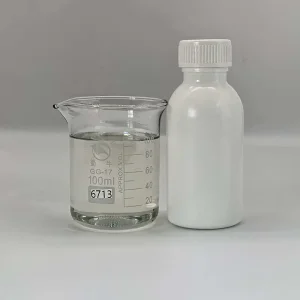
Engineered systems providing exceptional chemical barrier properties and sacrificial substrate protection.
In the modern industrial landscape, metal corrosion represents one of the most significant operating expenses and mechanical risks. Traditional plating systems such as pure zinc, zinc-iron, and cadmium coatings are rapidly approaching their functional limitations. The global shift toward Zinc-Nickel (Zn-Ni) alloy coating technology has been driven by the need for exceptional durability in highly aggressive environments, including marine atmospheric exposure, industrial pollutants, and high-temperature operating conditions.
Zinc-Nickel coatings containing typically 12% to 15% nickel content represent the thermodynamic "sweet spot" for alloy electrodeposition. This specific ratio results in the formation of a single-phase, crystalline gamma-phase micro-structure (γ-phase, Zn2Ni11 or Zn3Ni22). The gamma-phase structure provides optimized cathodic protection relative to carbon steel substrates while maintaining a significantly slower corrosion rate than pure zinc. The presence of nickel shifts the corrosion potential of the coating system, minimizing the self-corrosion rate of the sacrificial anode layer and resulting in an operational lifespan that is five to ten times longer than standard zinc coatings.
The global manufacturing supply chain is undergoing structural changes influenced by environmental regulations and high performance expectations. Foremost among these changes is the enforcement of the European Union's REACH and RoHS directives, which have strictly prohibited or limited the use of hexavalent chromium (Cr VI) and cadmium coatings. The transition toward trivalent passivation chemistries has made zinc-nickel alloy coatings the primary alternative for automotive, aerospace, and heavy electrical infrastructure projects.
Furthermore, the automotive sector's shift to Electric Vehicle (EV) platforms has introduced new surface treatment challenges. EVs operate with high voltages and generate significant localized thermal loads, demanding high-performance coatings that resist heat-cycling degradation. Pure zinc coatings often experience accelerated micro-cracking and loss of adhesion at temperatures exceeding 120°C. In contrast, Hiyie Chemical’s 6185 Alkaline Zinc-Nickel Plating processes show excellent thermal stability, maintaining barrier performance and structural integrity up to 200°C without compromising mechanical performance.
To assist corrosion engineers, quality managers, and procurement officers in selecting the optimal surface finishing system, the table below provides a comparative analysis of industrial electroplating options based on performance and mechanical attributes.
| Coating Technology | Alloy Ratio | Corrosion Resistance (Neutral Salt Spray) | Thermal Limit | Hydrogen Embrittlement Risk | Principal Application Sectors |
|---|---|---|---|---|---|
| Pure Zinc Electroplating | 100% Zn | 72 - 120 Hours (White Rust) | <120°C | Moderate to High | General Fasteners, Construction Hardware |
| Zinc-Iron (Zn-Fe) Alloy | 0.5% - 1% Fe | 240 - 480 Hours (Red Rust) | <150°C | Moderate | Under-hood Automotive, Stamped Brackets |
| Zinc-Nickel (Zn-Ni) Alloy (6185) | 12% - 15% Ni | 1000 - 1500+ Hours (Red Rust) | 200°C - 250°C | Low (in alkaline baths) | EV Components, Fasteners, Hydraulic Tubes |
| Electroless Nickel (EN 6786) | 9% - 12% P (High-P) | 500 - 1000 Hours (Depending on Thickness) | >350°C | Negligible | Semiconductors, Chemical Valves, Aerospace |
Large global enterprises require surface finishing partners capable of managing supply chain risks, ensuring compliance, and delivering consistent batches. Suzhou Hiyie Chemical Co., Ltd. addresses these challenges by offering advanced chemical formulations alongside dedicated engineering support.
Procuring high-quality electroplating additives and chemical components involves maintaining precise bath chemistry and operational consistency. For high-tensile steel fasteners (above Class 10.9), managing Hydrogen Embrittlement is critical. Acidic plating systems often cause high hydrogen pickup in the steel substrate during the cathodic reaction. Hiyie’s alkaline plating chemistries, such as the 6185 Alkaline Zinc-Nickel Plating and the 8315 Alkaline Cyanide-free Bright Zinc Plating, reduce hydrogen absorption at the metal boundary, simplifying the post-plating relief-baking cycles (200°C for 4 hours) to maintain the component's mechanical integrity.
The future of surface finishing is focused on reducing chemical footprints while improving performance under challenging conditions. Hiyie Chemical’s R&D centers in Wuhan and Shanghai are currently developing solutions in three key areas:
1. Cyanide-Free Formulations: Plating shops must eliminate cyanide compounds to protect ecosystems and meet local environmental codes. Our 372 Alkaline Cyanide-Free Copper Plating and 8315 Cyanide-Free Bright Zinc Plating chemistries demonstrate that high thickness uniformity and speed can be achieved without using hazardous cyanide intermediates.
2. Blue and Iridescent Trivalent Passivation: Passivation chemistry is key to extending the life of Zinc-Nickel alloys. The ZN-318 Blue Trivalent Zinc-Nickel Passivation process forms an active barrier layer that resists thermal degradation and maintains its performance even after heating.
3. Ultra-Low Phosphorus Electroless Nickel (EN): For functional wear resistance combined with solderability in the semiconductor and electronics industries, Hiyie's J0-1 Ultra-Low Phosphorus Electroless Nickel provides hard, wear-resistant coatings that protect precision components and support modern micro-packaging.
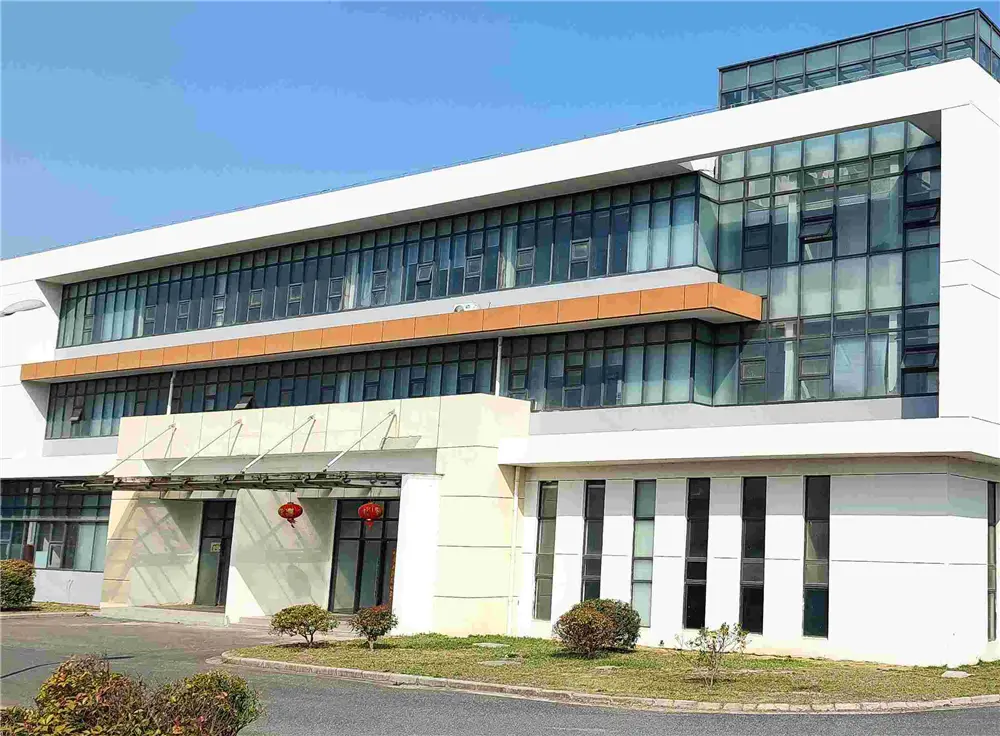
SUZHOU HIYIE CHEMICAL CO., LTD. offers a comprehensive product portfolio supporting consumer electronics, telecommunications, semiconductor fabrication, automotive assemblies, and precision industrial hardware. We collaborate with domestic and international chemical enterprises alongside universities to operate a dynamic mobile R&D center focused on high-performance chemical engineering.
Since our establishment, Hiyie has built R&D facilities in Wuhan and Shanghai, establishing a marketing and support network across the Pearl River Delta, Yangtze River Delta, and Bohai Rim regions. Our surface finishing solutions are used by global enterprises including Foxconn Technology Group, Qinghai Salt Lake Group, Chint Group, Hongbao Group, Stanley Group, and Shifeng Group, earning a strong reputation for reliability and performance.
Advanced R&D and dedicated technical service to support your electroplating operations.

We recruit industry-experienced chemists and technical sales representatives to support our customers with bath configuration and troubleshooting.

Our flexible R&D setup allows us to modify formulation parameters to meet specific customer demands and performance requirements.

We design our processes using environmentally-conscious principles, helping clients eliminate cyanides and hexavalent chromium.

Our pre-sale and after-sale technical teams offer on-site support, bath analysis, and quality optimization services.
Answers to common questions from procurement and quality assurance teams regarding advanced coatings.
Within this range, the deposit forms a single-phase gamma-crystalline structure (γ-phase). If the nickel content falls below 12%, the coating behaves similarly to a pure zinc coating with reduced protection. If it exceeds 15%, the coating can become brittle, and the alloy potential becomes too noble, reducing its sacrificial protection. Maintaining the 12-15% range ensures the right balance between cathodic protection and wear resistance.
The ZN-318 trivalent passivation system forms an active film on the zinc-nickel alloy layer. This barrier controls the self-corrosion of the zinc, helping the coating system resist white rust. ZN-318 is formulated to maintain this protection even after exposure to elevated temperatures, making it suitable for automotive and high-temperature industrial parts.
Alkaline systems, such as our 6185 chemistry, offer superior thickness distribution across complex parts, making them well-suited for high-volume fasteners and components with recess areas. They also run with lower hydrogen absorption rates, reducing hydrogen embrittlement risks. Acidic systems generally plate faster and are suited for simpler shapes like cast iron, but they require close monitoring to ensure uniform alloy distribution.
Zinc-nickel is a sacrificial coating where the zinc acts as an anode to protect the steel. Electroless nickel (like the HITEC EN 6786 high-phosphorus system) is an autocatalytic chemical process that deposits a uniform barrier coating. Electroless nickel offers excellent wear and chemical resistance and is typically used on precision machinery and electronics, while zinc-nickel is widely used for heavy corrosion protection on automotive and outdoor structural components.
Yes, all our new-generation chemistries, including the ZN-318 trivalent passivation, 372 cyanide-free copper plating, and 8315 bright zinc systems, are formulated to comply with REACH and RoHS standards. They are free from hexavalent chromium, lead, and cadmium, helping global OEMs meet their environmental and safety commitments.
Read about our company events and service achievements.

As we step into the new year, Suzhou Hiyie Chemical continues to expand its manufacturing capabilities and support systems across the Pearl River Delta, Yangtze River Delta, and Bohai Rim. We remain committed to helping our customers solve technical challenges in surface finishing and industrial electroplating.
A broad range of copper, zinc, nickel, and trivalent passivation systems to support your production lines.
 HIYIE
HIYIE