Explore our premium electroplating chemical solutions designed to provide outstanding chemical stability and high corrosion resistance.
Understanding structural performance parameters, metallurgical criteria, and corrosion mitigation protocols.
In modern electrochemistry and industrial surface engineering, zinc-nickel alloy electroplating has established itself as the premier solution for sacrificial protection of ferrous substrates. Offering superior thermodynamic and kinetic barrier protection compared to conventional zinc electroplating, zinc-nickel deposits (typically containing 12-15% nickel by weight) serve as the primary defensive barrier in aggressively corrosive atmospheres.
Industrial regulations—including EU End-of-Life Vehicles (ELV) directives, REACH regulations, and the global phase-out of hexavalent chromium—have propelled zinc-nickel systems to the forefront of OEM specifications. This whitepaper systematically breaks down the global standards regulating zinc-nickel coatings, evaluates performance metrics, details chemical formulation criteria, and aligns them with industrial manufacturing standards.
Various international, national, and industry-specific standards dictate the performance criteria, chemical requirements, and verification protocols for zinc-nickel coatings. Key directives include:
| Specification | Alloy Composition (% Ni) | Common Thickness Grades | Salt Spray Test (SST) to Red Rust | Primary Industrial Field |
|---|---|---|---|---|
| ASTM B841 (Class 1) | 12.0% – 17.0% | 5 µm, 8 µm, 12 µm, 25 µm | Up to 1000 Hours (without white rust) | General Industrial & Infrastructure |
| DIN EN ISO 19598 | 12.0% – 16.0% | Fe//ZnNi8//An//T0 (8 µm min) | ≥ 720 Hours (Base metal protection) | European Automotive Components |
| AMS 2417 | 10.0% – 20.0% | Class 1 (Type 1 or Type 2) | ≥ 960 Hours (Salt Spray Exposure) | Aerospace & Defense Systems |
| ISO 9227 / ASTM B117 | Methodology Reference | N/A (Testing Protocol) | Determined by specific OEM limits | Global Quality Validation Labs |
The shift from traditional coatings to zinc-nickel has been driven by severe environmental exposure challenges. In global infrastructure, offshore installations, wind turbines, and heavy mining equipment, salt mist and high humidity lead to rapid degradation of untreated steels. Zinc-nickel plating solves this by forming a stable, high-hardness alloy matrix (gamma-phase Ni3Zn22 structure) that slows down the corrosion rate of the sacrificial coating.
Furthermore, hydrogen embrittlement poses a significant challenge for high-strength steel parts (tensile strength ≥ 1000 MPa). A key parameter in zinc-nickel standards is the requirement for pre- and post-plating baking cycles (typically at 190°C–220°C for 4 to 24 hours) to drive out hydrogen atoms, preventing structural failure under mechanical load.
SUZHOU HIYIE CHEMICAL CO., LTD. is a leading manufacturer specializing in organic surface finishing agents and chemical additives. Our comprehensive product portfolio covers consumer electronics, communication equipment, semiconductors, automotive hardware, craft gifts, and heavy industries.
To overcome technical limitations in the industry, we have partnered with domestic and international chemical enterprises and universities to set up a collaborative mobile R&D center. Since our founding, we have established dedicated R&D institutions in Wuhan and Shanghai. Our marketing network covers the Pearl River Delta, Yangtze River Delta, and Bohai Rim regions. Our products are widely used by global companies including Foxconn Technology Group, Qinghai Salt Lake Group, Chint Group, Hongbao Group, Stanley Group, and Shifeng Group, building a strong market reputation.
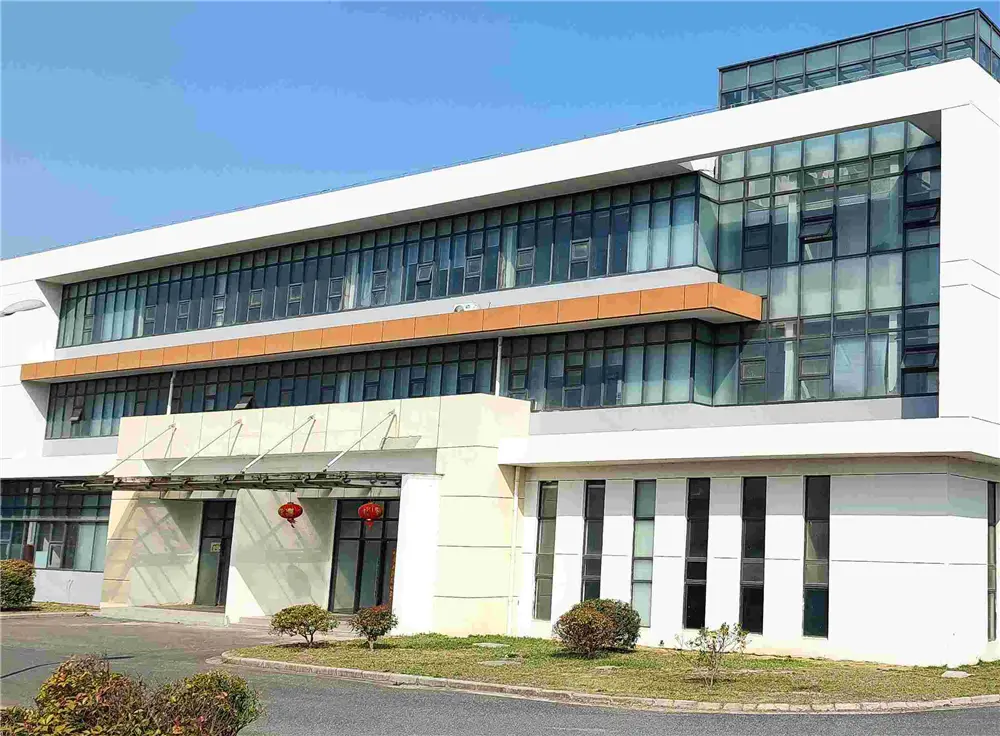
Providing robust chemical formulations and end-to-end technical support for industrial coating lines.
We bring in specialized technical staff, sales teams, and chemical engineers to ensure high-quality service and troubleshooting support.
Our flexible R&D system allows us to tailor custom plating chemical formulations to meet specific customer demands and international OEM specs.
We develop high-performance chemicals with an environmental focus, fully complying with RoHS, REACH, and cyanide-free safety standards.
Our engineering support team offers pre-sales consultation, on-site bath adjustments, and complete after-sales testing services to keep production running smoothly.
Engineers must choose between alkaline (cyanide-free) and acid-based plating chemistries. Alkaline systems, such as our 6185 Alkaline Zinc-Nickel Plating process, offer excellent thickness distribution and uniform alloy co-deposition (12-15% Ni) even on complex geometric profiles and internal threads. This makes them ideal for safety-critical automotive fasteners and fluid-power fittings.
Acid-based systems offer higher current efficiency and plate faster on cast iron substrates. However, they struggle with thickness distribution, often leading to uneven nickel content across different current density zones. Selecting the right bath chemistry depends on your substrate geometry, production speed targets, and required specification clearances.
The performance of a zinc-nickel plated component depends heavily on the passivation and topcoat sealer applied. Our ZN-318 Blue Trivalent Zinc-Nickel Passivation and 216 High Corrosion-resistant Iridescent Trivalent Zinc Passivation systems form a thin, protective trivalent chromium gel layer. This layer prevents white rust formation on the sacrificial zinc-nickel alloy.
Applying organic or inorganic sealers helps control the coefficient of friction (CoF), which is essential for threaded fasteners (typically requiring a range of 0.09 to 0.15 μ). They also extend salt spray resistance to over 1500 hours before red rust.
Tracing the evolution of surface finishing towards greener chemistry and smarter process controls.
Transitioning from toxic hexavalent chromates to trivalent formulations, ensuring compliance with RoHS and REACH directives without compromising corrosion resistance.
Developing cyanide-free copper and zinc electroplating processes, such as our 372 Alkaline Cyanide-Free Copper system, to improve operator safety and simplify wastewater treatment.
Using advanced organic complexing agents to maintain a consistent 12-15% nickel content in the alloy deposit, regardless of high or low current density variations in the bath.
Integrating real-time sensors and automated replenishment systems to monitor bath pH, carrier concentration, and metal ratios, reducing downtime and optimizing chemical consumption.
Expert technical answers to common questions about zinc-nickel plating specifications and processes.
Stay up to date with updates from our R&D center and global business operations.

As the new year begins, Suzhou Hiyie Chemical continues to drive innovation in surface treatment chemistry. We remain committed to helping our customers achieve cleaner, more efficient, and highly corrosion-resistant electroplating operations worldwide.
Our full range of surface finishing chemicals, including nickel processes, passivation systems, and electroless formulations.
 HIYIE
HIYIE