Engineered for extreme wear, high corrosion resistance, and compliance with the most stringent global standards.
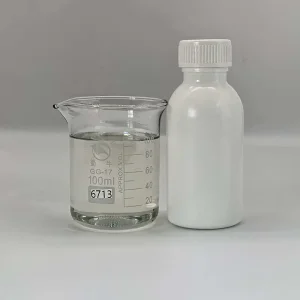
Ideal for complex geometry parts requiring high wear resistance and uniform thickness.
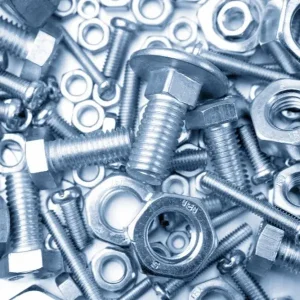
Delivers brilliant blue aesthetics paired with exceptional salt spray protection.
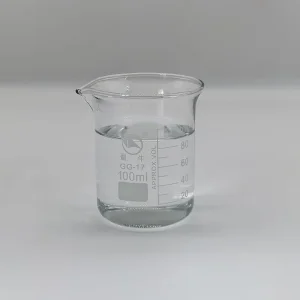
Ensures excellent leveling and ductility for multilayer decorative applications.
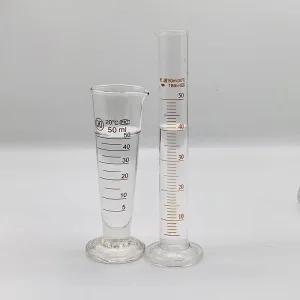
High-alloy performance for extreme automotive and heavy-machinery components.
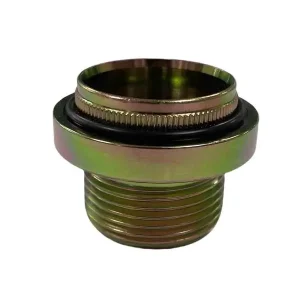
RoHS-compliant trivalent coating providing premium barriers against oxidation.
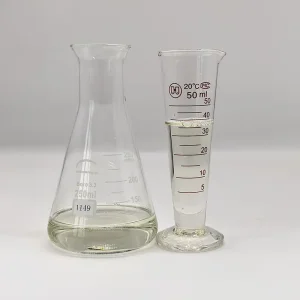
Specially formulated for high efficiency in bulk barrel plating lines.
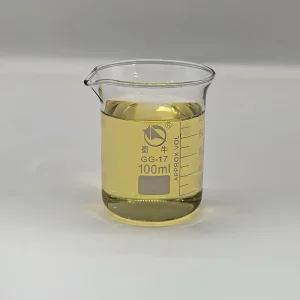
Ecologically clean chemistry delivering super brightness and distribution.
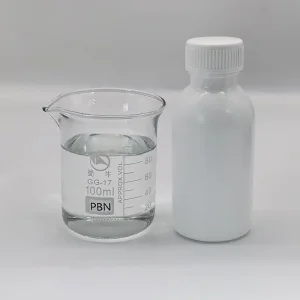
Matte finish formulation with high aesthetics for high-end consumer products.
Zinc plating, also known as galvanization or electro-galvanizing in specific industrial sectors, represents the cornerstone of modern corrosion protection. As a sacrificial barrier, the zinc layer oxidizes in place of the base steel substrate, significantly extending the lifespan of metal assemblies. Globally, the demand for high-performance zinc electroplating formulations is driven by a massive push towards higher durability, environmental compliance, and cost efficiency in infrastructure and transport.
Historically, the plating industry relied on simple acid and alkaline cyanide formulations. However, the modern industrial framework mandates strict environmental compliance and performance. The global metal finishing market is rapidly pivoting toward high-alloy systems, such as zinc-nickel (Zn-Ni) and trivalent zinc passivates, which deliver exponentially higher protection under extreme thermal and chemical duress. As Tier-1 global manufacturers optimize their procurement chains, the chemistry behind these surface treatments has become a strategic asset rather than a commodity.
To understand the current innovations in surface chemistry, one must analyze the electrodeposition dynamics at the molecular level. Modern formulations require high current efficiency, uniform thickness distribution (throwing power), and minimal hydrogen embrittlement.
Driven by EU RoHS and REACH directives, hexavalent chromium (Cr6+) has been phased out globally due to its carcinogenic nature. Modern trivalent passivates, such as the 216 High Corrosion-resistant Iridescent Trivalent Zinc Passivation, utilize customized chelating agents and nano-silica particles to heal microscopic cracks, matching or exceeding legacy hexavalent performance.
The co-deposition of nickel (typically 12-15% Ni) within the zinc matrix creates a gamma-phase crystalline structure. This specific alloy ratio acts as a barrier with extremely low corrosion current density, ensuring compatibility with aluminum parts in modern multi-material vehicle chassis.
Cyanide baths, while offering outstanding throwing power, present extreme hazard profiles. Formulations like the 8315 Alkaline Cyanide-free Bright Zinc Plating utilize highly engineered polymers to control zinc crystallization, offering a mirror-like finish and uniform thickness across irregular contours without environmental hazards.
As global supply chains demand shorter lead times and higher material consistency, Chinese chemical manufacturers have transitioned from low-cost producers to global innovation hubs. The Yangtze River Delta, particularly the industrial cluster centered around Suzhou, acts as a primary hub for this material science revolution.
Suzhou Hiyie Chemical Co., Ltd. represents this transformation through specialized infrastructure:
Surface treatment requirements vary wildly depending on the geographic deployment and functional application of the treated components:
In highly corrosive road environments, components are subjected to road salt spray, gravel impacts, and thermal cycling. European and North American OEMs require strict compliance with standards like GMW3044 and Ford WSS-M21P17. Our ZN-318 Blue Trivalent Zinc-Nickel Passivation and alkaline zinc-nickel solutions are optimized to prevent galvanic corrosion when steel bolts interface with aluminum structures.
For electronic housings, shielding cans, and connectors, appearance must be paired with electric conductivity and solderability. Semi-bright and pearl nickel systems, such as PBN Pearl Nickel, offer excellent wear resistance while providing a glare-reducing, premium matte finish preferred by top-tier smartphone and device brands.
In ultra-high vacuum and corrosive gas environments found inside semiconductor toolings, chemical outgassing is unacceptable. High phosphorus electroless nickel plating, such as HITEC EN 6786, provides a completely non-magnetic, pore-free barrier layer that guards delicate equipment components from chemical erosion.
The future of surface finishing is green and digital. The industry is currently undergoing a massive evolution driven by three primary vectors:
SUZHOU HIYIE CHEMICAL Co., LTD has built a highly recognized product portfolio that spans consumer electronics, communication equipment, the semiconductor industry, automotive hardware, craft gifts, and beyond. In an industry defined by rigorous requirements, we have collaborated with domestic and foreign chemical companies alongside major universities to establish an agile, mobile R&D center dedicated to solving critical surface technology challenges.
Since our inception, we have set up permanent R&D institutions in Wuhan and Shanghai. Our marketing and technical support network spans the Pearl River Delta, Yangtze River Delta, and Bohai Rim regions. Today, our advanced surface treatment formulations are trusted by leading global corporations including Foxconn Technology Group, Qinghai Salt Lake Group, Chint Group, Hongbao Group, Stanley Group, and Shifeng Group.
Read More About Our Tech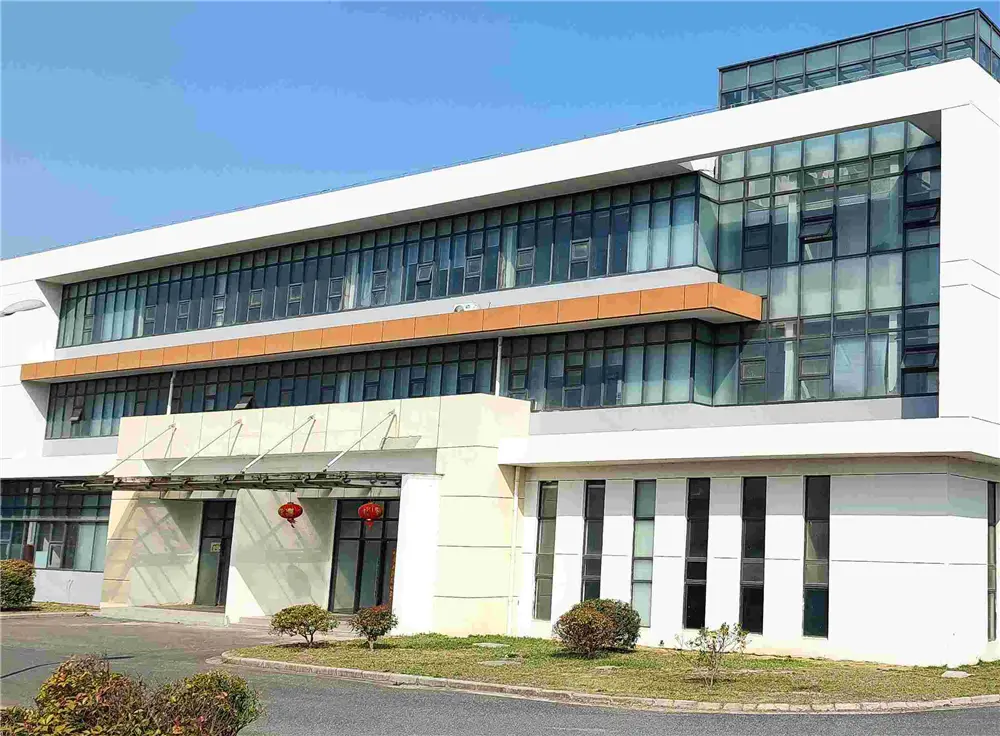
Get authoritative answers to complex chemical engineering and procurement questions.
Stay informed about Suzhou Hiyie's operational milestones and technical achievements.
Explore the complete catalog of specialized surface finishing formulations.
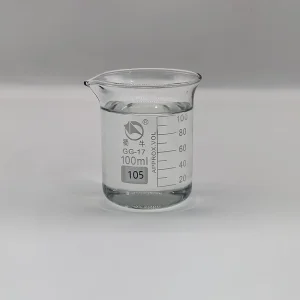
Enhances chromium mist suppression and wet ability for superior surface uniformity.
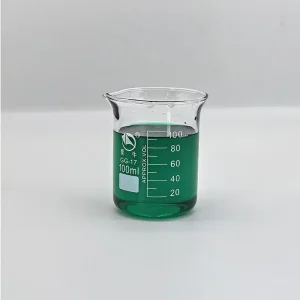
Specially engineered for high hardness (as-plated) and excellent solderability.
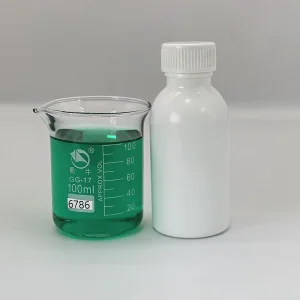
Provides unmatched acid and alkaline corrosion resistance in extreme chemical environments.
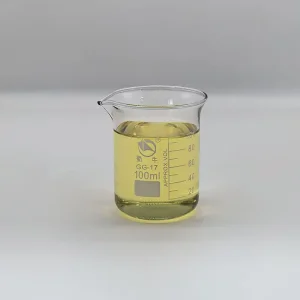
Delivers ultra-fast brightening action and outstanding leveling for decorative hardware.
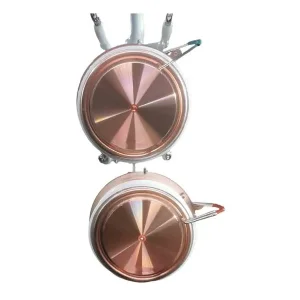
Ideal for high-density interconnect PCBs and electroforming applications.
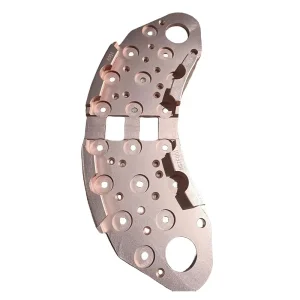
Eco-friendly strike copper bath providing excellent adhesion on steel and zinc alloys.
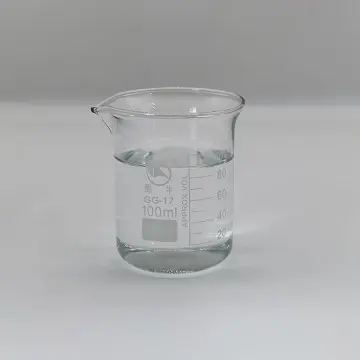
Formulated for deep leveling without sulfur co-deposition, optimizing corrosion resistance.
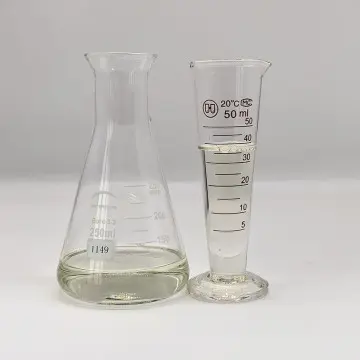
High chemical stability formulation designed specifically for high current density limits.
 HIYIE
HIYIE