Engineered to deliver exceptional corrosion resistance, superior brightness, and optimized thickness distribution across complex geometries.
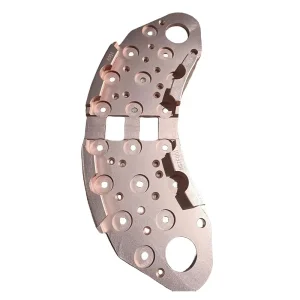
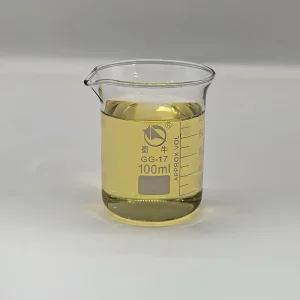
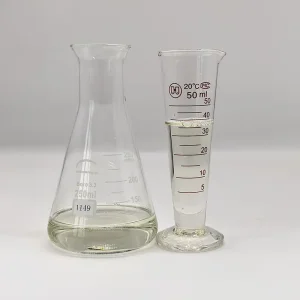
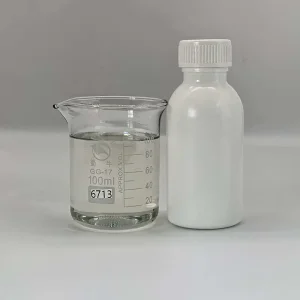
A comprehensive chemical perspective on acid zinc finishing parameters, additive performance, and process optimization.
Zinc sulfate electroplating is an acid-based plating process utilized primarily for continuous wire, strip steel, and large-scale industrial components. Operating in an acidic pH range of 3.5 to 4.5, this chemistry offers distinct advantages over cyanide and alkaline zinc formulations. Acid zinc sulfate baths are characterized by outstanding cathode current efficiency (approaching 95–98%), minimizing the production of waste hydrogen and significantly reducing the risk of hydrogen embrittlement in high-strength steel substrates.
The fundamental electrochemical reaction involves the reduction of solvated zinc ions at the cathode: Zn²⁺ + 2e⁻ → Zn (E⁰ = -0.763 V vs. SHE). Because of the acidic medium, the dissolution rate of the soluble zinc anode is exceptionally high, which helps maintain a steady concentration of zinc ions in the electrolyte. However, to prevent coarse, dendritic crystalline structures at high current densities, special organic surfactants, grain refiners, and brightness additives must be systematically introduced to the bath.
Without adequate grain refinement, zinc sulfate electrodeposition results in dull, highly crystalline deposits susceptible to rapid oxidation. Our specialized brighteners and carrier agents align molecularly on the high-current density peaks of the substrate, directing current into microscopic recesses. This mechanism guarantees a glossy finish and a highly dense crystalline orientation (preferentially oriented along the (101) or (002) planes), which maximizes corrosion resistance per micron of thickness.
Furthermore, our modern formulations incorporate advanced buffering systems, such as boric acid or ammonium salts, to prevent localized pH spikes at the cathode interface. When the local pH rises above 5.5, zinc hydroxide precipitates, causing surface pitting and rough, brittle deposits. By controlling the boundary layer chemistry, Hiyie Chemical plating systems deliver consistent, highly ductile, and adhesion-perfect coatings.
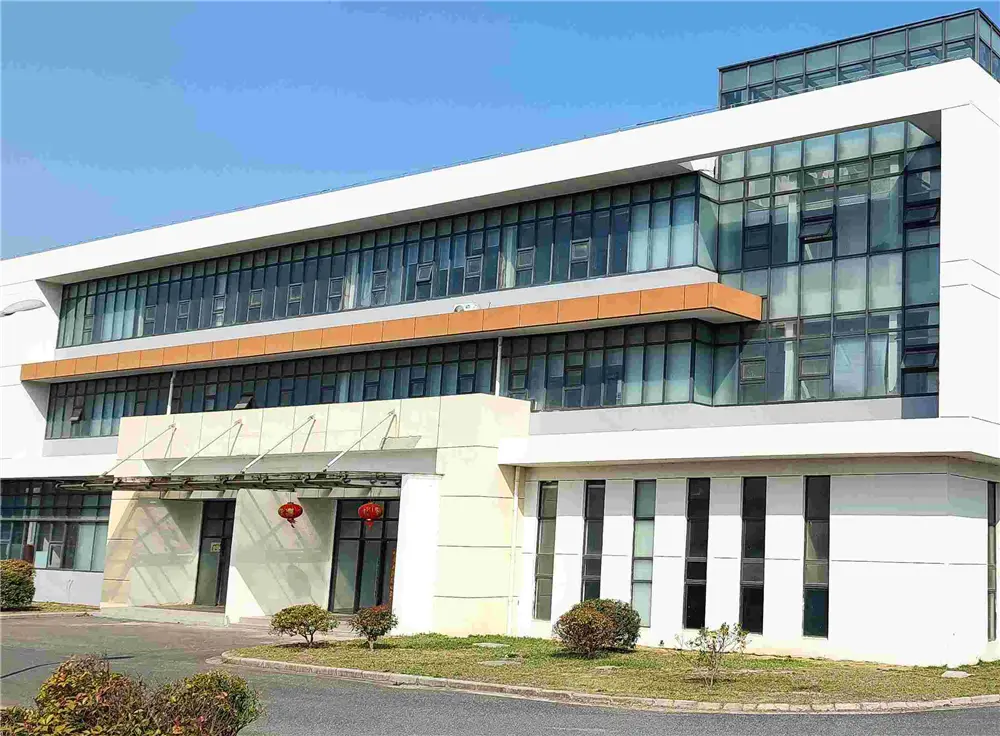
SUZHOU HIYIE CHEMICAL Co., LTD has established a comprehensive product portfolio covering consumer electronics, communication equipment, semiconductor industries, automotive hardware, craft gifts, and more. To solve the industry's most complex surface finishing challenges, we have collaborated with multiple domestic and foreign chemical companies and top-tier academic institutions to establish a mobile R&D center.
Since our inception, we have set up R&D centers in Wuhan and Shanghai, ensuring that our innovation keeps pace with evolving material science requirements. Our extensive marketing network spans the Pearl River Delta, Yangtze River Delta, and the Bohai Rim regions. Hiyie's advanced electroplating additives and chemical systems are trusted by leading enterprises globally, including Foxconn Technology Group, Qinghai Salt Lake Group, Chint Group, Hongbao Group, Stanley Group, and Shifeng Group.
Explore R&D CapabilitiesLeveraging Chinese manufacturing infrastructure to deliver high-quality chemical formulations globally.

Our team consists of PhD electrochemists and veteran field engineers, providing customized, round-the-clock technical consultations and bath troubleshooting globally.

Our agile R&D mechanism enables the customization of brightener packages, leveling agents, and passivation chemicals to meet precise customer technical requirements.

We develop high-performance, environmentally sustainable chemical formulations, prioritizing fluoride-free, cyanide-free, and trivalent chromium passivations.

We provide comprehensive lifecycle support, ranging from bath set-up, regular chemical analysis (HPLC, Hull Cell testing), to waste-water management advice.
Navigating environmental regulations is a top priority for global industrial manufacturers. We design our zinc sulfate additives to assist clients in complying with local regulations, including the European Union's REACH, RoHS 3.0, and the US EPA clean water initiatives.
Our localized service networks in key industrial centers provide technical support, rapid local delivery of chemicals, and help companies comply with complex local environmental standards.
Operating from China allows us to leverage a robust raw material supply chain, lower production overheads, and highly integrated logistics networks. This ensures competitive pricing and short lead times for international buyers.
Our Wuhan and Shanghai R&D centers quickly scale laboratory breakthroughs to mass production, allowing us to keep pace with changing market demands.
Global procurement teams seek consistency, traceability, and secure supply chains. We offer comprehensive QA documentation, material safety data sheets (MSDS), certificates of analysis (COA) for every batch, and secure industrial packaging.
Whether supplying automated strip plating lines in Germany or automotive component coaters in America, Hiyie Chemical maintains a reliable supply chain.
The electroplating sector is transitioning from high-toxicity chemical baths to clean, high-performance alternatives. Key trends include:
Understanding how our zinc plating chemical processes adapt to real-world industrial environments globally.
In highly corrosive engine bays and undercarriages, fasteners coated with our zinc-nickel processes resist galvanic corrosion, thermal cycling, and road salt exposure.
Providing precision shielding coatings for structural metal frames and interior brackets. Our cyanide-free chemistry provides ultra-thin, highly conductive barriers with excellent cosmetic appeal.
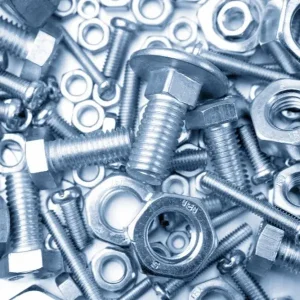
By minimizing hydrogen evolution, our high-efficiency acid zinc sulfate processes are ideal for structural bolts and anchors, eliminating post-plating relief baking requirements.
Addressing core electrochemical questions from engineering, procurement, and production specialists.
Zinc sulfate baths operate at higher current densities and are preferred for continuous, high-speed plating lines (like wire and strip steel). Zinc chloride baths offer slightly better throwing power in rack and barrel operations but are more corrosive to plating equipment and substrate metals.
The optimal pH window is 3.5 to 4.5. If the pH drops below 3.0, chemical dissolution of the zinc coating increases, reducing current efficiency. If pH rises above 5.2, zinc hydroxide precipitates, causing rough coatings, pitting, and reduced adhesion.
Carriers absorb onto the cathode surface, creating a thin diffusion layer. This increases polarization at high-current areas, forcing zinc ions to deposit in recess areas, resulting in a smooth, level finish instead of rough crystal structures.
To achieve high salt-spray resistance (NSS > 120 hrs), we recommend using trivalent chromium-based conversion coatings, followed by an organic topcoat or sealer to enhance corrosion protection.
Our chemical products do not contain SVHCs (Substances of Very High Concern). We formulate our products without hexavalent chromium and alkylphenol ethoxylates (APEOs), making them compliant with REACH.
The recommended operating temperature is between 25°C and 38°C. Higher temperatures can degrade brighteners and carriers, while lower temperatures restrict current densities and reduce overall plating speed.
Stay informed with the latest updates and technological releases from the Hiyie Chemical team.

The New Year bell rings the prelude to progress, driving us to scale new heights in manufacturing quality and international service standards.
Read ArticleExplore our niche electrodeposition coatings, alloy systems, and conversion sealers.
 HIYIE
HIYIE