Explore our premium industrial additives and formulations, specialized in zinc passivation, high-corrosion resistant topcoats, and electroless nickel systems engineered for durability.
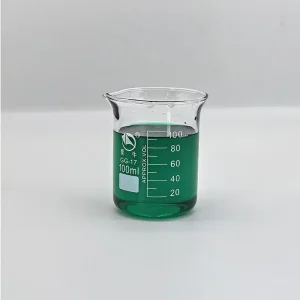
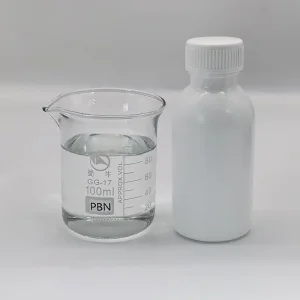
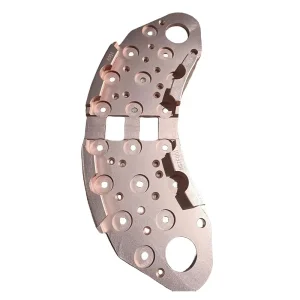
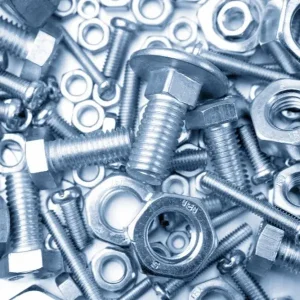
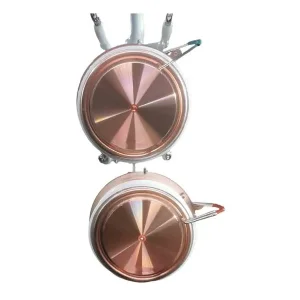
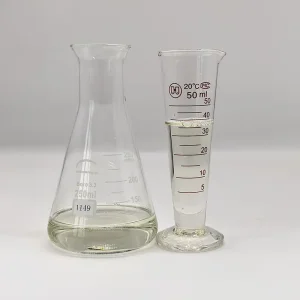
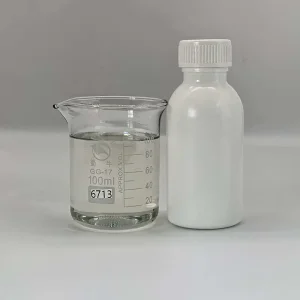
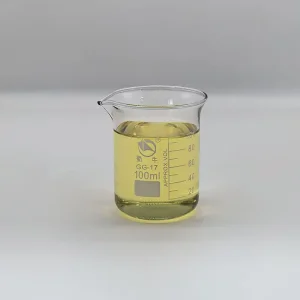
Zinc plating, when combined with passivation treatments, serves as one of the most effective methods to prevent corrosion on carbon steel components. A Zinc Yellow Chromate Coating (traditionally known as iridescent yellow or hexavalent yellow passivation) is formed by an electrochemical reaction between the zinc deposit on a substrate and a solution of chromic acid, mineral acids, and catalysts.
The reaction yields an amorphous, gel-like barrier composed of insoluble trivalent chromium compounds ($Cr_2O_3 \cdot xH_2O$) and soluble hexavalent chromium compounds ($CrO_3 \cdot yH_2O$). This dual composition gives the yellow chromate layer its unique self-healing property: if the coating is scratched, moisture dissolves some of the hexavalent chromium, which then migrates to the exposed zinc and repassivates the damaged zone. This chemical mechanism prevents premature red rust formation on critical industrial fasteners, stamped steel brackets, and automotive linkages.
Delivers exceptional resistance to white rust (zinc corrosion products) and red rust (iron base metal oxidation) during standard ASTM B117 salt spray tests, maintaining part functionality under demanding atmospheric conditions.
The micro-rough, amorphous morphology of the yellow chromate coating serves as an ideal base for secondary paint layers, powder coatings, and specialized organic sealants, minimizing peeling risk.
Maintains predictable torque-tension relationships for threaded steel components like bolts and screws, reducing thread galling during automated production line assembly.
Understanding the differences in coating formulations is essential for industrial engineering decisions. The table below outlines how yellow chromate stacks up against blue, black, and zinc-nickel alloy passivation methods.
| Passivation Chemistry Type | Typical Thickness (μm) | Salt Spray to White Rust (ASTM B117) | Salt Spray to Red Rust (ASTM B117) | Primary Industrial Use Case |
|---|---|---|---|---|
| Zinc Yellow Chromate (Traditional Hexavalent) | 0.25 - 0.50 | 72 - 96 Hours | 200 - 300 Hours | Heavy Machinery, Fasteners, Hydraulic Components |
| Iridescent Trivalent (High Corrosion Resistant) | 0.15 - 0.35 | 96 - 120 Hours | 250 - 400 Hours | Automotive Parts, Appliance Enclosures, RoHS Compliant Fields |
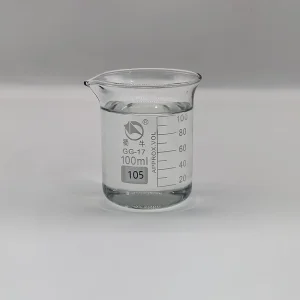
| Clear/Blue Trivalent Zinc Passivation | 0.08 - 0.15 | 8 - 24 Hours | 72 - 120 Hours | Precision Electronics, Decorative Hardware, Stamped Parts |
| Zinc-Nickel Alloy Passivation (ZN-318) | 6.0 - 15.0 | 240+ Hours | 1000+ Hours | Under-hood Automotive, Marine Hardware, Mining Equipment |
Modern manufacturing requires strict adherence to environmental safety protocols. Traditionally, zinc yellow chromate relied heavily on hexavalent chromium ($Cr^{6+}$), which has faced severe restrictions under directives such as the European Union's RoHS (Restriction of Hazardous Substances) and REACH (Registration, Evaluation, Authorisation and Restriction of Chemicals) due to toxicity and carcinogenic risks.
As a leading developer in electroplating chemistry, Suzhou Hiyie Chemical has pioneered the formulation of high-performance trivalent chromium ($Cr^{3+}$) alternatives. These trivalent coatings, combined with organic nanoparticle sealants, achieve or exceed the anti-corrosive performance of classic hexavalent yellow chromate without using restricted heavy metals. The iridescent trivalent passivation films offer a more uniform thickness and greater thermal stability, resisting bake cycles up to 150°C without cracking, whereas hexavalent coatings dry out and lose protection at temperatures above 60°C.
Procurement directors and quality engineers in North America, Europe, and Southeast Asia look for key factors when sourcing passivation agents:
To meet the criteria of automotive OEMs, Hiyie Chemical ensures that all metal finishing processes are tested in facilities following international specifications like GMW3044, ASTM B633, and ISO 2081.
View CertificationsOperating out of key logistics and industrial hubs in the Yangtze River Delta, Suzhou Hiyie Chemical Co., Ltd utilizes automated chemical blending and quality control systems to ensure product quality and reliable delivery. Our Factory 4.0 smart supply chain integrates real-time raw material monitoring, computerized dosing controls, and inline testing protocols to ensure that batch variations are close to zero.
Collaborations with domestic and foreign universities have led to mobile R&D centers in Wuhan and Shanghai, helping us solve challenging corrosion-resistance issues.
Strategic partnerships with major raw material producers protect our customers from chemical market price swings and supply disruptions.
Developing low-toxicity, cyanide-free, and boron-free additives that help metal finishers comply with strict local environmental regulations.
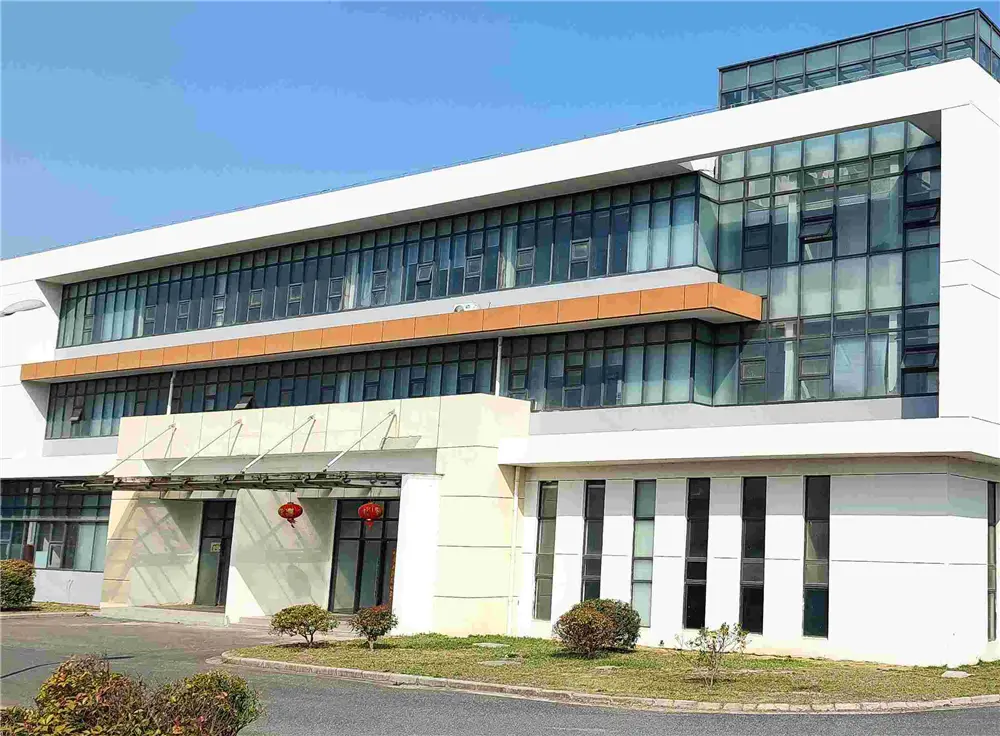
SUZHOU HIYIE CHEMICAL CO., LTD provides advanced surface finishing chemical additives. Our product line supports applications across consumer electronics, communication equipment, semiconductors, automotive hardware, and other manufacturing sectors.
By partnering with chemical researchers and top academic institutions, we run mobile R&D centers in Wuhan and Shanghai to address technical challenges in the electroplating industry. Our sales and service network covers the Pearl River Delta, Yangtze River Delta, and Bohai Rim regions, providing reliable product support to leading companies like Foxconn Technology Group, Qinghai Salt Lake Group, Chint Group, Hongbao Group, Stanley Group, and Shifeng Group.
Learn More About UsWe provide technical support, modern R&D processes, and eco-friendly products to meet modern electroplating demands.

Our sales and technical support teams bring deep industry experience to ensure smooth integration of our products into your lines.

We customize chemical formulations to match specific corrosion resistance, color shade, and coefficient of friction requirements.

We focus on eco-friendly technology, developing high-performance trivalent passivation and cyanide-free electroplating systems.

We offer pre-sale consultations, onsite bath parameter checks, and ongoing troubleshooting to maintain system performance.
Zinc Yellow Chromate and its high-performance trivalent equivalents are used across major global manufacturing industries:
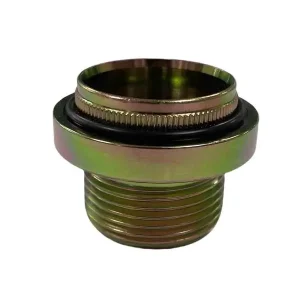
Used on under-hood steel components, brake lines, clips, brackets, and engine mounts. It protects these parts from road salt, damp environments, and high operating temperatures.
Protects structural fasteners, heavy machinery frames, agricultural vehicle parts, and hydraulic cylinders from rust and physical wear.
Shields electrical conduits, substation hardware, structural steel connectors, and distribution boxes from outdoor weathering and rust.
Corporate Notice (Feb 17, 2026): As we enter the Year of the Snake, Suzhou Hiyie Chemical is ramping up capacity across our key production facilities in Jiangsu. Following a strong start to the new year, we have expanded our R&D teams to focus on high-durability trivalent passivation technologies. Our technical service teams are active in the Pearl River and Yangtze River Deltas, ensuring seamless support and chemical supply for all global OEM production schedules.
A comprehensive range of electroplating additives, passivating formulations, and copper/nickel plating systems designed for high-precision manufacturing.
 HIYIE
HIYIE