High-performance formulations engineered for demanding aerospace, automotive, and industrial applications
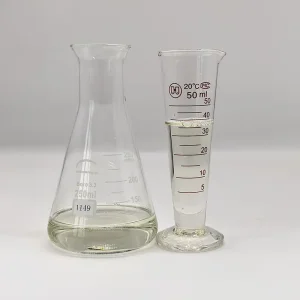
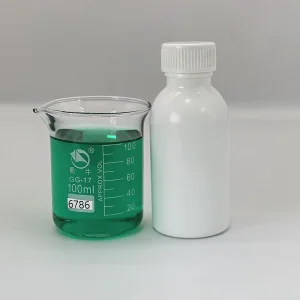
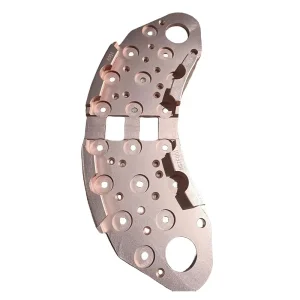
In modern industrial metallurgy, protection against electrochemical oxidation and environmental degradation has transitioned from basic sacrificial barriers to highly engineered alloys. Zinc-Nickel (Zn-Ni) alloy plating represents the absolute zenith of this advancement. Originally developed to meet demanding military specs and automotive requirements that traditional electrogalvanization could not satisfy, Zn-Ni coatings typically incorporate a codeposition of 12% to 15% nickel. This specific composition creates an intermetallic gamma-phase crystal structure (γ-Ni3Zn22) that provides superior barrier properties alongside optimal galvanic protection.
Historically, hexavalent chromium coatings served as the baseline anti-corrosion defense. However, global directives such as REACH and RoHS forced the phase-out of hexavalent chromate due to toxicity and environmental concerns. Trivalent zinc-nickel passivation, combined with organic and inorganic sealers, emerged as the superior alternative, offering better thermal resistance and corrosion protection without environmental hazards.
"The 12-15% nickel concentration in Zn-Ni plating isn't arbitrary. It defines the exact phase boundaries where the alloy exhibits maximum stability against chloride attack while retaining its sacrificial protection of the underlying steel substrate."
The global transition to Zn-Ni alloy plating is driven by demanding industries operating in extreme conditions. Modern manufacturers require surface treatments that survive harsh environments while maintaining assembly tolerances and aesthetic uniformity.
Under-hood, under-chassis, and braking systems are regularly exposed to road salts, gravel impacts, and high thermal variations. Leading global automotive OEMs specify Zn-Ni plating for critical fasteners, hydraulic components, and brake caliper housings. High-quality Zn-Ni alloys prevent red rust for over 1000 hours in neutral salt spray testing (ASTM B117), even after thermal shock exposure up to 120°C.
For aerospace components exposed to atmospheric cycling, Zn-Ni serves as an eco-friendly, high-performance alternative to cadmium plating. The low hydrogen embrittlement profile of specialized acid zinc-nickel plating solutions is essential for high-strength steel substrates used in structural aircraft components and landing gear assemblies.
Marine environments require robust defenses against continuous chloride exposure. Offshore wind turbines, drilling equipment, and maritime shipping mechanisms use Zn-Ni coatings to extend service life and minimize maintenance costs in remote, corrosive locations.
Why global OEMs depend on Hiyie Chemical electroplating additives and formulations
Advanced organic brighteners and stabilizers ensure uniform distribution of 12% to 15% nickel content across complex geometries, avoiding high-current density burning.
Formulations compliant with international environmental directives (REACH, RoHS, WEEE) without compromising corrosion protection performance.
Dedicated R&D centers in Wuhan and Shanghai provide chemical analysis, plating line diagnostics, and custom formulations to resolve your process challenges.
As supply chain challenges require higher resilience, China's surface treatment manufacturing sector has evolved from labor-intensive operations to highly automated, smart manufacturing facilities. Suzhou Hiyie Chemical Co., Ltd. leads this transformation, integrating Factory 4.0 principles to improve quality control, scale production, and enhance international delivery reliability.
Advanced chemical synthesis requires strict environmental control. Our automated reactors manage temperature, addition rates, and pH levels to produce consistent electroplating additives. This reduces batch-to-batch variation, ensuring global clients receive chemicals that maintain plating line stability without continuous bath adjustments.
Our commitment to technical excellence is supported by research hubs in Wuhan and Shanghai, along with academic collaborations with leading chemical engineering universities. These centers develop next-generation electroplating technologies, focusing on green alternatives, high-efficiency brighteners, and custom formulations for demanding electronic and automotive substrates.
By positioning regional supply networks across the Pearl River Delta, Yangtze River Delta, and Bohai Rim, Hiyie Chemical ensures rapid logistics and technical support. This layout minimizes transit times and helps domestic and international partners maintain production schedules without excessive chemical inventory.
To help procurement teams and chemical engineers make informed decisions, the following matrix compares common zinc-based anti-corrosion coatings:
| Plating Metric | Acid Zinc Plating | Alkaline Zinc Plating | Alkaline Zinc-Nickel (Zn-Ni) |
|---|---|---|---|
| Nickel Codeposition | 0% | 0% | 12% - 15% (Optimal Gamma Phase) |
| Salt Spray Performance (Red Rust) | 96 - 120 Hours | 120 - 240 Hours | 1000+ Hours (With Trivalent Passivation) |
| Thermal Resistance | Poor (Degrades >70°C) | Moderate (Degrades >100°C) | Excellent (Maintains barrier >150°C) |
| Alloy Distribution | High variation (Edge buildup) | Moderate uniformity | Highly Uniform (Throwing power dependent) |
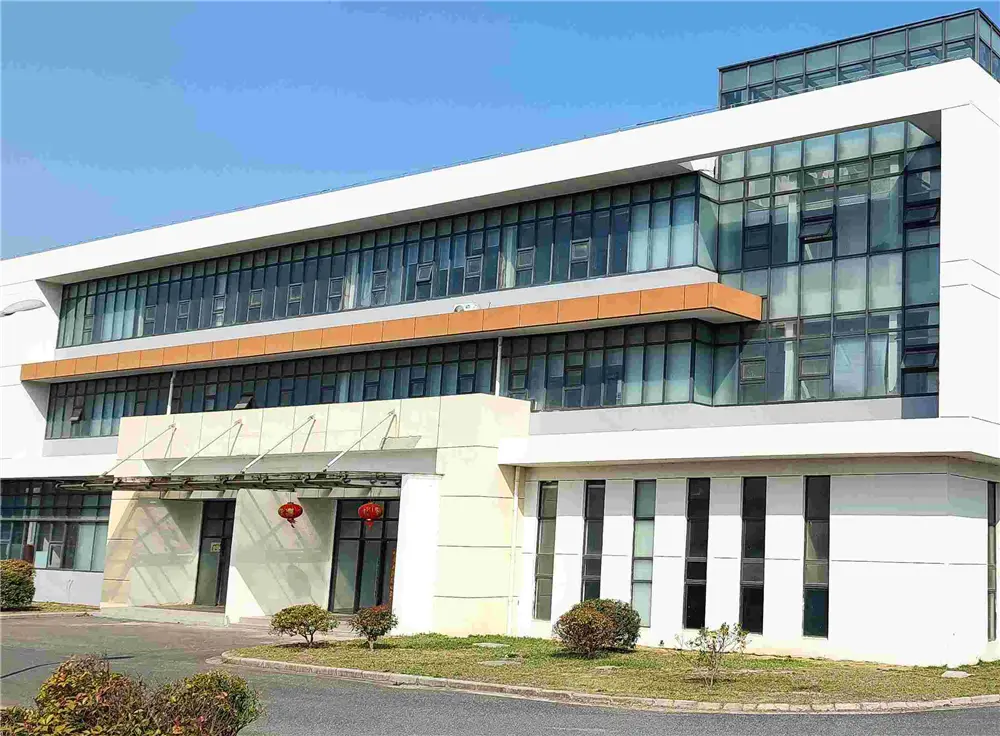
SUZHOU HIYIE CHEMICAL CO., LTD. supplies advanced surface finishing chemicals for consumer electronics, telecommunications, semiconductor packaging, automotive components, and heavy industry. Through collaborations with domestic and international partners, we develop formulations to meet changing regulatory and performance requirements.
Our distribution networks cover the Pearl River Delta, Yangtze River Delta, and Bohai Rim regions, supplying global firms such as Foxconn Technology Group, Qinghai Salt Lake Group, Chint Group, Stanley Group, and others. We provide customized chemistries and process control support to help our clients maintain efficient, reliable electroplating lines.
Learn More About Our TeamTechnical advice and process optimization tips from Hiyie's surface finishing experts
Discover our wider range of metal cleaning, plating, and passivation formulations

 HIYIE
HIYIE