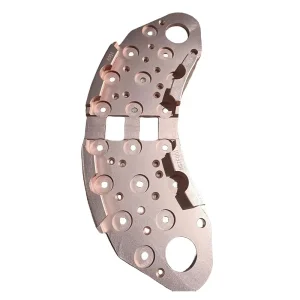
Electroless Nickel Manufacturer & Manufacturers in Switzerland

High-Precision Autocatalytic Coatings, Advanced Materials Engineering, and Global Supply Chain Synergies for Switzerland's MedTech, Horology, and Aerospace Clusters

Premium Electroless Nickel Solutions for Swiss Precision

Engineered to deliver exceptional dimensional uniformity, outstanding wear protection, and superior corrosion resistance
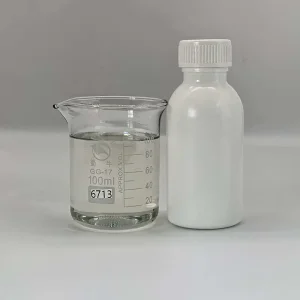
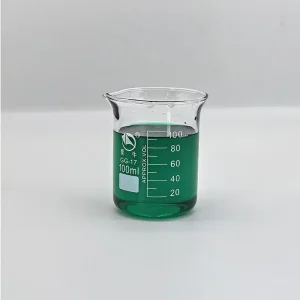
HITEC EN 6713 A/B/C Mid Phosphorus Electroless Nickel

HITEC EN 6713 A/B/C Mid Phosphorus Electroless Nickel for Swiss Watchmaking & Precision Systems

Explore Technical Specs →
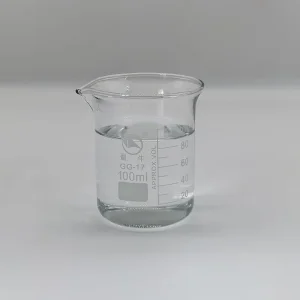
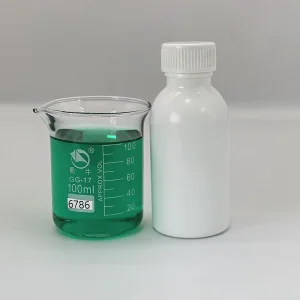
HITEC EN 6786 A/B/C High Phosphorus Electroless Nickel

HITEC EN 6786 A/B/C High Phosphorus Electroless Nickel for Acidic Environments & Chemical Process Engineering

Explore Technical Specs →
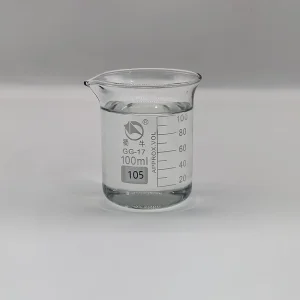
J0-1 Ultra-Low Phosphorus Electroless Nickel

J0-1 Ultra-Low Phosphorus Electroless Nickel for Optical Systems, High Hardness & Solderability

Explore Technical Specs →
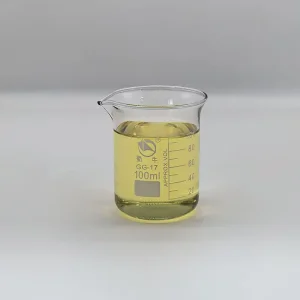
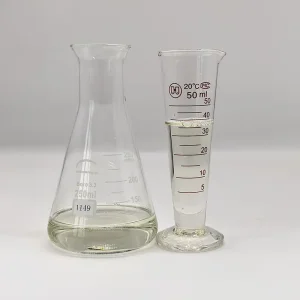
FS100 Semi-Bright Nickel Plating

FS100 Semi-Bright Nickel Plating for Multilayer Electroplating & Anti-Corrosion Substrates

Explore Technical Specs →

Electroless Nickel Plating in the Swiss High-Tech Sector

A Comprehensive Technical Whitepaper on Advanced Metal Finishing and Surface Engineering

1. Introduction to Electroless Nickel (EN) Metallurgy

Electroless Nickel (EN) plating—also known as autocatalytic nickel plating—differs fundamentally from conventional electroplating because it operates completely without an external electrical current. The deposition process is driven entirely by a chemical reduction reaction, usually utilizing sodium hypophosphite ($NaH_2PO_2$) as the reducing agent. This autocatalytic reduction generates a nickel-phosphorus ($Ni-P$) alloy coating. The core metallurgical benefit of this technique is its ability to deposit a coating of completely uniform thickness across all surfaces of a part, regardless of its geometry. This makes it an ideal solution for components with tight tolerances, internal threads, blind holes, and complex profiles.

By adjusting the phosphorus content in the plating bath, we can customize the chemical, mechanical, and physical properties of the coating:
Low Phosphorus (1% to 4% P): Provides exceptional as-plated hardness (up to 700 HV) and outstanding wear resistance, making it an excellent alternative to hard chrome.
Medium Phosphorus (5% to 9% P): The most widely used option, offering a balanced combination of corrosion resistance, moderate hardness, and good cosmetic appearance.
High Phosphorus (10% to 14% P): Creates an amorphous, non-magnetic structure with superb resistance to highly acidic environments, making it highly valued in medical devices, chemical processing, and aerospace engineering.

2. Switzerland's Precision Industrial Landscape

Switzerland is internationally recognized for its highly specialized, low-volume, high-value manufacturing sectors. Key clusters in regions like the Jura Arc, Basel, Zurich, and Geneva require advanced coatings that meet strict quality, performance, and environmental standards.

Horological Engineering (Watchmaking): The Swiss watch industry relies on microscopic components—such as balance wheels, escapements, and gear trains—that require precise dimensions down to the micron level. Traditional electroplating creates uneven coatings on sharp edges and fine teeth. Electroless nickel provides a perfectly uniform layer, ensuring smooth operation, low friction coefficients, and excellent wear resistance.

Medical Technology (MedTech): As a leading global medical device hub, Switzerland produces high-precision surgical instruments, implants, and diagnostic equipment. Electroless nickel formulations must comply with strict biocompatibility standards, provide excellent resistance to repeated autoclave sterilization cycles, and remain non-magnetic to prevent interference with MRI equipment.

Aerospace and Space Exploration: High-altitude and space applications require parts that can withstand extreme temperature swings, resist cosmic radiation, and prevent outgassing in vacuum environments. Swiss aerospace components coated with high-phosphorus electroless nickel benefit from reliable corrosion protection and consistent physical properties under these demanding conditions.

1000+
HV Hardness (Heat Treated)
100%
Thickness Uniformity
< 0.1%
Magnetic Susceptibility (High-P)
1000+
Hours Salt Spray Resistance

3. Supply Chain Resilience and Global Synergy

Maintaining a stable, high-quality supply of advanced surface treatment chemicals is essential for Swiss manufacturers. While Switzerland offers unparalleled precision engineering and final assembly, partnering with established international chemical manufacturers like Suzhou Hiyie Chemical Co., Ltd. adds valuable supply chain resilience and cost efficiency.

By sourcing raw concentrates and specialized plating additives from large-scale, high-purity chemical production centers, Swiss plating shops can optimize their operating costs while maintaining the highest quality standards. This global partnership ensures a steady supply of REACH-compliant, lead-free, and cadmium-free electroless nickel systems. This allows local manufacturers to confidently meet strict European environmental regulations without risking production downtime.

Localized Applications in Switzerland

How Electroless Nickel Powders & Concentrates Drive Alpine Engineering Excellence

🕑

Vallee de Joux Horology

Deposition of micro-scale electroless nickel on brass and beryllium-copper base plates to ensure low wear and permanent corrosion protection in luxury watch movements.

🩺

Basel MedTech Hub

Application of high-phosphorus, non-magnetic electroless nickel on surgical tools and diagnostic housings, designed to withstand frequent autoclave sterilization cycles.

🚁

Aerospace Components

Used on aluminum housings for satellites and high-altitude aircraft instruments to prevent galvanic corrosion and ensure reliable electronic grounding.

Technical Roadmap & Regulatory Compliance

The Evolution of Clean Chemistry and High-Performance Surface Technologies
Phase 1: Compliance Foundations (REACH & RoHS)
Eliminating Heavy Metal Stabilizers
Transitioning away from lead ($Pb$) and cadmium ($Cd$) stabilizers in electroless nickel baths. Modern chemistry formulations now rely on environmentally friendly organic stabilizer systems that fully comply with European REACH and RoHS directives.
Phase 2: Composite Coatings
Fluoropolymers and Nano-Diamonds
Integrating sub-micron particles like PTFE (polytetrafluoroethylene) for self-lubricating properties, or silicon carbide ($SiC$) and nano-diamonds to achieve extreme wear resistance in heavy-duty industrial environments.
Phase 3: Smart Electrochemistry
Automated Bath Management Systems
Implementing real-time monitoring and replenishment technologies to maintain precise nickel and hypophosphite concentrations. This approach extends bath life, minimizes chemical waste, and ensures consistent coating quality.
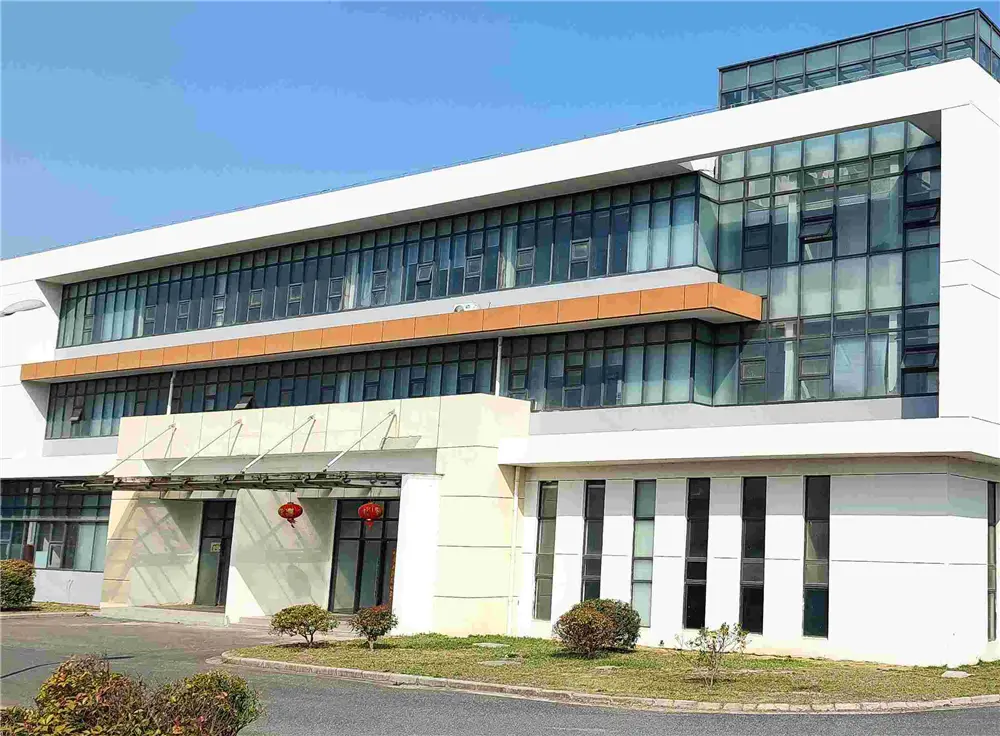
Suzhou Hiyie Chemical R&D Center and Plating Technology Lab

About Suzhou Hiyie Chemical

A Global Leader in Specialty Electroplating and Autocatalytic Chemical Technologies

SUZHOU HIYIE CHEMICAL CO., LTD. supplies high-performance metal finishing and electroplating chemistry to sectors including consumer electronics, communications, semiconductor manufacturing, and precision automotive hardware. By collaborating with leading chemical research institutions and universities, we have established dedicated R&D centers in Wuhan and Shanghai.

Our sales and technical support networks cover major industrial hubs globally. Our advanced chemistry solutions are utilized by leading global brands and Tier-1 manufacturers, helping them meet strict quality and environmental standards. We are committed to helping our customers solve complex surface engineering challenges with reliable, high-performance chemistry.

ISO 9001:2015

Quality management systems certified to meet international aerospace and industrial standards.

REACH & RoHS

Formulated without banned substances or heavy metals to ensure seamless integration into European supply chains.

Our Comprehensive Chemical Product Line

Specialty Plating Chemicals, Catalysts, and Additives for Industrial Electrodeposition
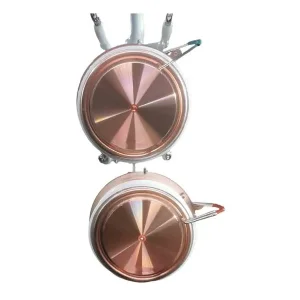
672 High-Speed Bright Acid Copper Plating

672 High-Speed Bright Acid Copper Plating for Swiss PCB and Interconnect Substrates

Explore Technical Specs →
Chrome Plating Carrier 105

Chrome Plating Carrier 105 Mist Suppressants and Wetting Agents

Explore Technical Specs →
31685 Rapid Brightening Nickel Plating

31685 Rapid Brightening Nickel Plating for High-Throughput Production Lines

Explore Technical Specs →
1149 Barrel Bright Nickel Plating

1149 Barrel Bright Nickel Plating Additive for Bulk Micro-Components

Explore Technical Specs →
6185 Alkaline Zinc-Nickel Plating

6185 Alkaline Zinc-Nickel Plating Alloy for Harsh Automotive Environments

Explore Technical Specs →
216 High Corrosion-resistant Iridescent Trivalent Zinc Passivation

216 High Corrosion-resistant Iridescent Trivalent Zinc Passivation

Explore Technical Specs →
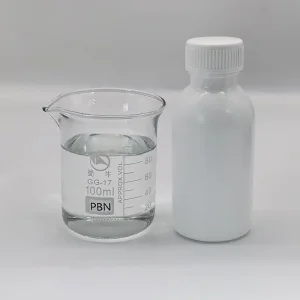
PBN Pearl Nickel

PBN Pearl Nickel Fine-Satin Decorative Anti-Glare Plating System

Explore Technical Specs →
372 Alkaline Cyanide-Free Copper Plating

372 Alkaline Cyanide-Free Copper Plating Safe Undercoats

Explore Technical Specs →

Frequently Asked Questions (FAQ)

Technical and Regulatory Insights for Design Engineers and Procurement Teams

What is the difference between Mid-Phosphorus and High-Phosphorus electroless nickel?
The main difference lies in their phosphorus content, which alters the microstructural properties of the alloy. Mid-Phosphorus (5-9% P) has a crystalline-amorphous structure that offers a balanced mix of hardness and moderate corrosion resistance. High-Phosphorus (10-14% P) features a fully amorphous structure with no grain boundaries, which provides exceptional corrosion resistance in acidic environments and makes the coating non-magnetic.
Are your electroless nickel chemicals compliant with EU REACH and RoHS regulations?
Yes, all our current electroless nickel formulations are lead-free and cadmium-free. We use advanced organic stabilizers to meet all requirements of RoHS Directive 2011/65/EU and the European REACH regulations, allowing for compliant use in Switzerland and throughout Europe.
Can electroless nickel coatings be applied to aluminum alloys?
Yes, electroless nickel can be applied to aluminum alloys, which is common in aerospace and electronics applications. This process requires a zincate pretreatment step to remove the natural oxide layer and ensure strong adhesion of the subsequent nickel deposit.
How does the thickness uniformity of electroless nickel compare to electroplating?
Unlike electroplating, which depends on electrical current distribution (often resulting in thicker deposits on edges and thinner layers in recesses), electroless nickel relies on a chemical reduction reaction. This autocatalytic process deposits a completely uniform thickness across all surfaces of the part, regardless of shape or geometry.
Can the hardness of electroless nickel be increased?
Yes. In its as-plated state, mid-phosphorus electroless nickel typically has a hardness of 500-600 HV. By applying a heat treatment (typically at 340°C to 400°C for 1 to 2 hours), you can precipitate nickel phosphides ($Ni_3P$) to increase the coating's hardness up to 950-1050 HV.
Why is high-phosphorus electroless nickel used in medical devices?
High-phosphorus EN is non-magnetic, which is crucial for medical devices used near MRI equipment. Additionally, its highly amorphous structure offers excellent chemical resistance to bodily fluids and withstands repeated autoclave sterilization cycles without degrading.
What is the role of the reducing agent in the electroless nickel plating bath?
The reducing agent (most commonly sodium hypophosphite) provides the electrons needed to reduce dissolved nickel ions ($Ni^{2+}$) into metallic nickel ($Ni^0$) on the catalytic surface of the workpiece. During this reaction, a portion of the phosphorus from the hypophosphite is co-deposited, forming the final nickel-phosphorus alloy.
How can I import these chemical concentrates to Switzerland?
We work closely with Swiss freight forwarders and local distributors to handle import logistics, customs clearance, and safety compliance documentation (including SDS in German, French, or Italian). Our team ensures all shipments comply with local Swiss chemical ordinances. For detailed shipping options, please contact our support team.