Engineered to meet the exact tolerances of industrial specifiers and surface finish engineering centers across Austria's manufacturing hubs.
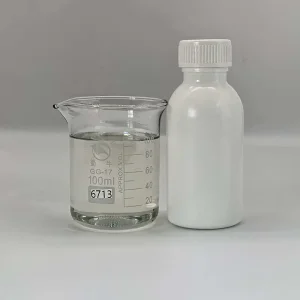
Offers superior deposition consistency, high corrosion protection, and optimal mechanical wear properties for Graz automotive clusters.
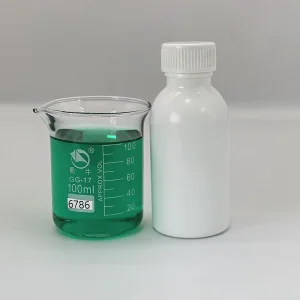
Specially formulated for maximum chemical resistance in acidic and saline environments, supporting alpine infrastructure pipelines.
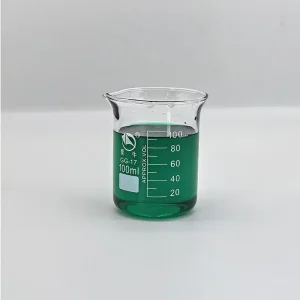
Unparalleled mechanical hardness (up to 950 HV as-plated) and exceptional wear resistance for heavy industrial machine components.
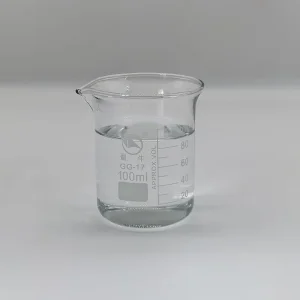
Delivers a highly ductile semi-bright deposit with low internal stress, serving as an optimal base layer for duplex systems.
Austria stands as a powerhouse of European high-precision engineering, high-value manufacturing, and automotive excellence. From the automotive assembly hubs of Graz to the machinery engineering corridors of Upper Austria and the growing microelectronics clusters in Styria and Carinthia (Silicon Austria Labs ecosystem), surface treatment is a critical driver of product quality, durability, and functional performance.
Electroless nickel (EN) plating plays a vital role in these local ecosystems. Unlike conventional electroplating, the autocatalytic nature of electroless nickel guarantees absolute dimensional uniformity even on parts with highly complex geometries, blind holes, and tight tolerances. Austrian manufacturers require chemistry that complies with stringent EU environmental laws while meeting high physical and chemical specifications.
In the Graz automotive cluster, components such as fuel system parts, planetary gears, and brake calipers must endure rigorous salt spray tests. In the alpine energy sectors, valves, turbine components, and pumps necessitate high-phosphorus formulations to counter aggressive hydrodynamic wear and corrosion. Modern electronics manufacturing in Linz and Villach relies on mid-to-high phosphorus EN coatings as corrosion barriers and diffusion control layers.
Austrian tier-1 OEMs require coatings in compliance with several national and European regulations:
Providing functional plating solutions tailormade to Austria's leading industrial sectors.
Ensures consistent, corrosion-resistant layers on drive transmission shafts, steering pins, and chassis brackets. Highly uniform thickness means zero post-plating grinding.
Heavy hydraulic cylinders, valves, and actuators require low-phosphorus or mid-phosphorus EN layers to provide wear resistance under mechanical stress and hydraulic friction.
Plating fine copper pathways and aluminum substrates with electroless nickel serves as a crucial diffusion barrier during lead-free soldering and gold-wire bonding.
For high-abrasion environments, such as those found in Austrian heavy forestry, agriculture, and alpine construction machinery, we recommend the J0-1 Ultra-Low Phosphorus system. This chemistries' crystalline structure provides superior hardness directly as-plated. For parts exposed to harsh outdoor weathering or chemical exposure, the HITEC EN 6786 High Phosphorus formula is ideal. It deposits an amorphous, non-magnetic layer containing 10% to 12% phosphorus that acts as a robust barrier against acidic attack.
For standard engineering applications, the HITEC EN 6713 Mid Phosphorus formulation is highly popular in Austria. Balancing hardness, corrosion resistance, and ductile properties, it is well-suited for general job shops and in-house plating operations requiring high bath stability and easy bath maintenance over multiple metal turnovers (MTOs).
Where environmental sustainability, high-speed efficiency, and nanotechnology intersect.
Early-generation electroless nickel chemistries relied on lead and cadmium for bath stability. Modern EU frameworks, including the REACH and ELV directives, ban these heavy metal stabilizers. Our chemical formulations utilize organic complexing stabilizers and sulfur/bismuth systems. This transition ensures compliance while maintaining high deposition rates, bath life, and solution stability.
The next decade of surface finishing focuses on composite codeposition. Integrating particles like polytetrafluoroethylene (PTFE) for low friction or silicon carbide (SiC) / diamonds for wear resistance directly into the nickel-phosphorus matrix allows engineers to achieve high wear protection. We are continually researching stable dispersion additives that work with our core formulations.
Standard electroless nickel operates between 82°C and 90°C, requiring significant energy input. Developing formulas capable of plating at 70°C to 75°C while maintaining standard deposition rates (15–20 µm/hour) is a priority. This development helps European surface finishers lower energy consumption and meet carbon reduction targets.
By leveraging online monitoring systems that track nickel concentration, pH, and byproduct accumulation, plating shops can extend chemical bath life up to 8–10 MTOs. This extension reduces waste treatment costs and chemical disposal requirements.
Our logistical model is optimized to bridge the gap between China-based chemical synthesis and Austrian local manufacturing plants:
In today's complex macroeconomic environment, chemical supply chain security is a primary concern for procurement teams. Chemical manufacturers in Europe often face high energy and raw material costs. As a major manufacturer of electroplating chemicals, Suzhou Hiyie Chemical maintains a vertically integrated supply chain, sourcing critical raw components like sodium hypophosphite and nickel salts directly from reliable Chinese sources.
Our production facilities in China utilize advanced chemical synthesis and automated packaging lines to ensure consistent batch-to-batch quality. We manage shipping logistics, customs compliance, and safety documentation, ensuring a smooth supply of electroless nickel concentrates to Austrian chemical distributors and industrial plating shops.
Combining world-class chemical manufacturing with local regulatory support and technical service.
Exporting chemical formulations to Austria requires deep familiarity with ECHA (European Chemicals Agency) regulations. Our products feature complete SDS (Safety Data Sheets) in German and English, classified according to the CLP Regulation (EC) 1272/2008. We provide full compliance documentation for all components, facilitating seamless import clearances and environmental audits at your plating sites.
Austrian municipal sewer regulations regarding heavy metal limits are highly stringent. To support clean local operations, we offer technical guidance on treating electroless nickel wastewater, focusing on the removal of complexed nickel ions and the precipitation of phosphites/phosphates. By advising on suitable calcium-based precipitation techniques and polymer flocculation, we assist our partners in meeting local emission thresholds.
Our team provides engineering support to Austrian surface finishers. From analyzing bath chemistry deviations via remote sample reports to optimizing process variables (pH, temperature, loading factor) for specific substrates like aluminum alloys, we help your operation maintain high productivity with minimal downtime.
Application: High-precision hydraulic components for heavy engineering.
Substrate: C45 steel.
Target: >50 µm thickness with zero porosity and >800 HV hardness after low-temperature heat treatment.
Solution Strategy: We recommended using the HITEC EN 6713 Mid Phosphorus system, followed by thermal aging at 340°C for 2 hours. This process allowed the customer to achieve the required wear resistance, replacing expensive hard chrome plating processes and eliminating hazardous hexavalent chromium baths.
Comprehensive surface technologies for Austrian industrial engineering, electronics, and automotive supply chains.
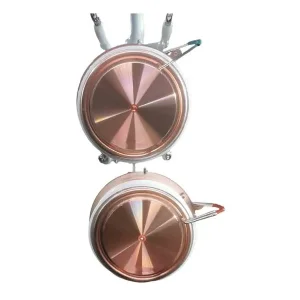
Offers superior throwing power and bright leveling, optimized for Austrian PCB and printed circuit board developers.
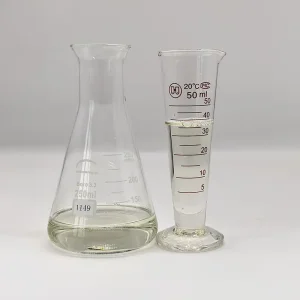
Specifically developed for high-volume barrel operations, providing excellent brightness and uniform metal distribution.
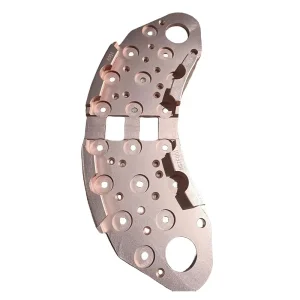
An environmentally compliant copper formulation that eliminates hazardous cyanides while maintaining strong adhesion on diverse substrates.
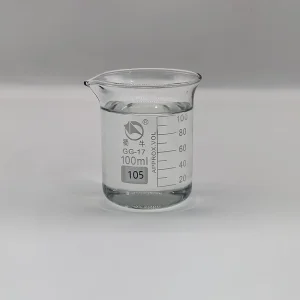
A specialized wetting agent that controls hexavalent chromium mist, protecting operators and supporting regulatory compliance.
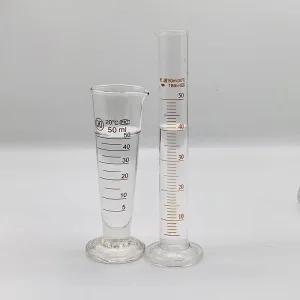
Deposits a zinc-nickel alloy layer with excellent thermal and corrosion resistance, suitable for under-hood automotive parts.
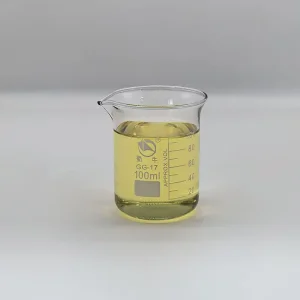
Offers fast mirror-bright development and excellent leveling, ideal for plumbing fixtures and decorative consumer hardware.
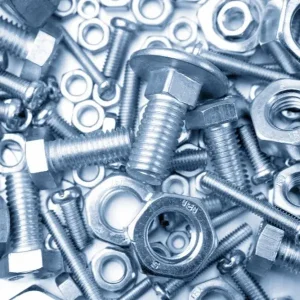
Trivalent passivate that creates a uniform blue protective layer on zinc-nickel alloy coatings, enhancing corrosion protection.
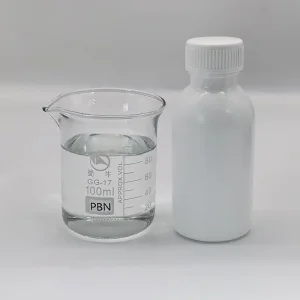
Produces an elegant, glare-free pearl-satin finish, ideal for architectural hardware and consumer electronics details.
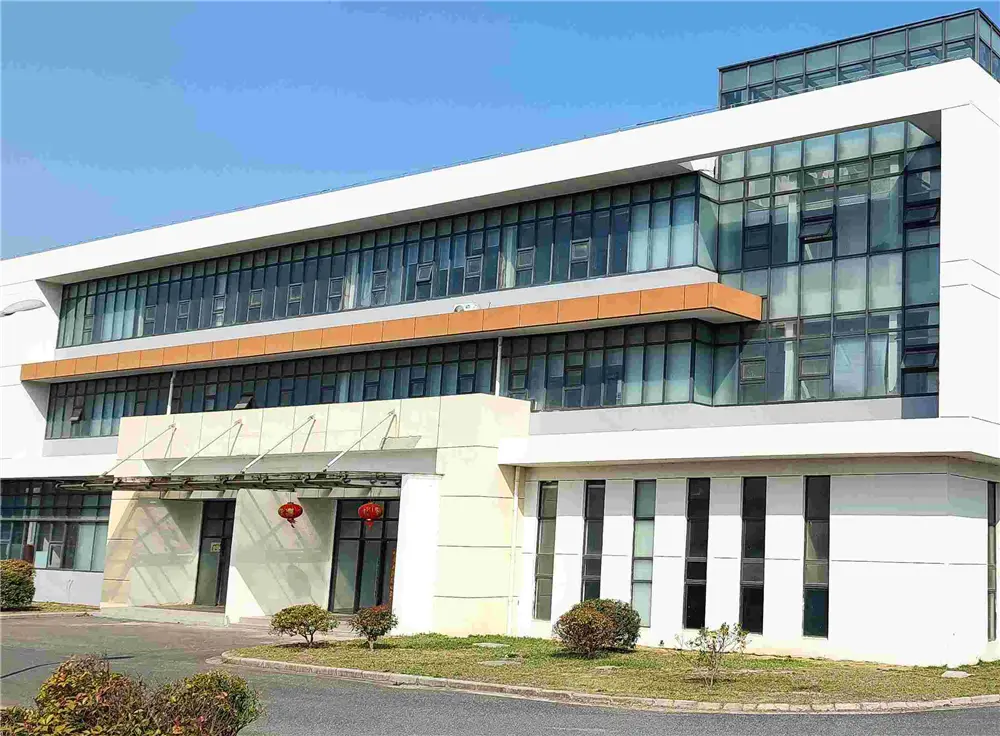
SUZHOU HIYIE CHEMICAL Co.,LTD has a product portfolio that covers consumer electronics, communication equipment, semiconductor industry, automotive hardware, craft gifts, and more. The company has collaborated with multiple domestic and foreign chemical companies and universities to establish a mobile R&D center dedicated to solving technical challenges in the industry. Since its establishment, the company has set up R&D institutions in Wuhan and Shanghai. Its marketing network covers the Pearl River Delta, Yangtze River Delta, and Bohai Rim regions. Its products have been widely used and recognized by many well-known domestic and foreign companies such as Foxconn Technology Group, Qinghai Salt Lake Group, Chint Group, Hongbao Group, Stanley Group, Shifeng Group, and others, earning the company a good reputation and a wide market.
Connect with Our TeamDiscover the core strengths that position us as a reliable partner for your surface finishing operations.

The company introduces a large number of staff, sales, talents, and is responsible for customers.

The flexible R & D mechanism can satisfy the highest and specific requirements of customers.

The most updated technology with the philosophy of environmentally-friendly.

We have professional pre-sale, sale and after-sale team to provide you with high quality service.
Stay informed on company updates and metallurgical technology developments.
Answering technical questions from plating operators and engineering teams in Austria.
High-phosphorus deposits (10–12% P) have an amorphous structural matrix without grain boundaries, making them highly resistant to chemical corrosion. Mid-phosphorus deposits (6–9% P) offer a balance of corrosion resistance and hardness, while low-phosphorus coatings (1-4% P) are selected primarily for wear resistance and alkaline environment stability.
Unlike hard chrome, J0-1 Electroless Nickel provides uniform coating thickness across complex geometries without edge buildup. It is free from hexavalent chromium, conforming to RoHS and REACH requirements, and exhibits as-plated microhardness of up to 950 HV, matching hard chrome's wear resistance.
Yes. Our chemistries are lead-free and cadmium-free, complying with EU RoHS 3, REACH, and the End-of-Life Vehicles (ELV) directive. We replace restricted heavy metal stabilizers with organic alternatives that maintain bath stability.
As the bath ages, byproducts like orthophosphite build up, which can lower the deposition rate and stress the nickel layer. Our chemistry utilizes advanced stabilizers that maintain a consistent deposition rate (e.g., 15–20 µm/h) up to 6–8 MTOs when properly replenished.
Aluminum requires an alkaline soak cleaner, acid etch, desmutting, and double zincation treatment before entering the electroless nickel bath. This preparation ensures strong coating adhesion and prevents bath contamination.
Free nickel ions should be precipitated by adjusting the pH to 11–12 using lime or sodium hydroxide, followed by adding a suitable organic precipitant. Phosphites and phosphates are treated using calcium salts to form insoluble calcium phosphate solids for filtration.
Yes. Heating the plated components at 340°C to 400°C for one hour initiates nickel phosphide precipitation, increasing microhardness up to 900–1000 HV. Note that heat treatment will transition the coating's structure from amorphous to crystalline, which may lower corrosion resistance.
We offer ocean transport to European ports like Hamburg or Rotterdam, combined with rail transport directly to your facility. We manage MSDS documentation and custom clearance support to ensure reliable chemical delivery.
Whether you need to improve wear resistance, enhance corrosion protection, or resolve bath stability issues, our engineers are ready to support your operation. Request technical specifications or chemical sample kits for your line.
Send Inquiry Now HIYIE
HIYIE