Premium grade formulations engineered to comply with DIN standards and German environmental quality guidelines.
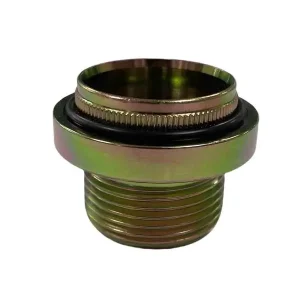
Specifically developed to meet rigorous German automotive standards. Provides exceptional self-healing corrosion resistance under DIN EN ISO 9227 neutral salt spray conditions.
View Specifications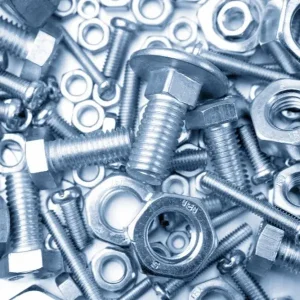
Engineered for zinc-nickel alloy platings. Offers a sleek blue-bright finish with outstanding thermal stability, ideal for wind-energy and automotive chassis assemblies in Berlin-Brandenburg.
View Specifications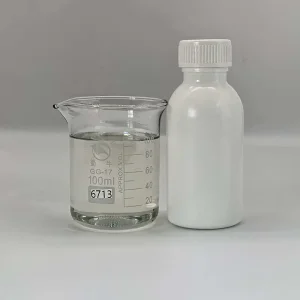
Formulated for complex geometries requiring uniform coating thickness. Widely utilized in the Berlin precision mechanical instrument and aerospace sectors.
View Specifications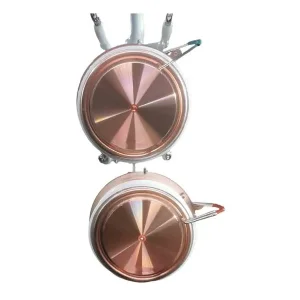
Delivers exceptional leveling and high-speed deposition. Optimized for PCB manufacturers and electronic component finishing plants within the Adlershof Science Park.
View SpecificationsThe Berlin-Brandenburg metropolitan region is undergoing a massive industrial renaissance. Known for its historical foundation in heavy engineering and electrical manufacturing (Siemensstadt), the modern local economy has shifted toward advanced e-mobility, renewable energy systems, and high-tech defense and aerospace engineering. Anchored by major infrastructure developments like the Tesla Gigafactory Berlin-Brandenburg and BMW Motorrad’s historic production hub in Spandau, the demands on surface treatment and corrosion protection have never been more complex or strictly regulated.
For engineering firms, tier-1 suppliers, and electroplating workshops operating in Berlin, selecting a passivation agent is no longer merely a procurement checklist item. It requires an in-depth understanding of the chemical interaction between zinc alloys, the thermodynamic stability of trivalent passivating complexes ($Cr^{3+}$), and strict alignment with European environmental policies. Surface engineering must align with DIN EN ISO 9227 (neutral salt spray performance) while simultaneously conforming to European Union REACh regulations and the RoHS Directive, which mandate the complete phase-out of hexavalent chromium ($Cr^{6+}$) and strict limitations on cobalt-containing additives.
Passivation is the process of rendering a metal surface non-reactive by creating an ultra-thin barrier layer of metal oxides. In zinc and zinc-nickel electroplating processes, passivation agents form a protective film through a controlled chemical reaction. When the zinc-plated component is immersed in the acid trivalent passivating solution, a microscopic layer of zinc dissolves, triggering a localized pH rise at the metal-liquid interface. This pH shift forces the trivalent chromium ions and complexing agents to precipitate as a gel-like hydrated chromium hydroxide ($Cr(OH)_3$) matrix on the surface.
Traditional hexavalent chromium coatings relied on self-healing properties powered by the solubility of toxic $Cr^{6+}$ ions. Modern chemical engineering, however, achieves equivalent or superior corrosion prevention utilizing trivalent passivating systems (such as the 216 High Corrosion-resistant Iridescent Trivalent Zinc Passivation) by integrating nanotechnology and specific silica nanoparticles. These nanoparticles lock into the $Cr^{3+}$ matrix, creating a highly dense, impermeable barrier that resists chloride ion penetration and maintains structural integrity even after high thermal shock testing.
As automakers push boundaries for warranties and component lifetimes, standard zinc plating is increasingly replaced by zinc-nickel alloy coatings (typically containing 12-15% nickel). Passing these surfaces requires advanced passivation agents like our ZN-318 Blue Trivalent Zinc-Nickel Passivation. The presence of nickel in the deposit alters the electrochemical potential, significantly slowing down galvanic corrosion. The combination of a zinc-nickel base layer and a highly tailored trivalent passivation layer yields salt spray resistances exceeding 1000 hours to red rust, meeting German automotive standards (VDA 233-102 and OEM-specific specifications like Volkswagen's PV 3929).
Modern chemical manufacturing requires absolute precision. At SUZHOU HIYIE CHEMICAL Co., LTD, our production lines operate under strict Industry 4.0 frameworks. Through automated, closed-loop batching reactors and real-time spectrophotometric quality tracking, we eliminate the human margin of error. This guarantees that every batch of passivation agent shipped to Berlin matches the physical and chemical characteristics of the reference sample—securing consistent plating results across multi-month production campaigns.
Global supply chain disruptions over the last decade have highlighted the risks of single-source procurement. Hiyie Chemical overcomes this by leveraging direct access to primary chemical raw material corridors within the Yangtze River Delta and close raw-material partnerships with entities like the Qinghai Salt Lake Group. This integrated vertical supply chain insulates our European partners from the volatile price fluctuations of raw chemicals.
For our clients in Berlin and Brandenburg, logistics are optimized through multimodal transportation networks. By using the China-Europe Railway Express (New Silk Road) exiting Western China and entering terminal container hubs in Berlin, we cut shipping times to 15-20 days. This provides a highly reliable, low-carbon alternative to traditional air freight and marine shipping, ensuring your electroplating line runs uninterrupted.
Unlike static distributors, Hiyie Chemical operates localized research facilities in Wuhan and Shanghai. If a Berlin plating shop has specific requirements for coefficient of friction control (such as automotive fasteners requiring precise torque-tension relationships), our laboratory can modify the passivation agents to incorporate integrated lubricants. This eliminates the need for a separate post-passivation sealing step, streamlining the finishing line and reducing production costs.
Aligning advanced chemical solutions with Germany's core industrial and engineering sectors.
Chassis, hydraulic brake tubes, and under-the-hood fasteners demand strict corrosion barriers. The combination of ZN-318 Zinc-Nickel Passivation and 6185 Alkaline Zinc-Nickel Plating guarantees extreme durability against road salt, moisture, and high engine temperatures.
Offshore wind turbines and solar tracker frames in northern Germany require prolonged structural guarantees. Utilizing 216 Iridescent Trivalent Passivation ensures that hot-dip galvanized and zinc-electroplated steel structures can withstand decades of exposure to harsh outdoor elements.
Berlin's Adlershof science district is home to cutting-edge precision mechanical and optical developers. HITEC EN series electroless nickel plating deposits uniform, wear-resistant, and high-hardness coatings on complex internal channels and critical scientific parts.
Established as a pioneering force in the specialty chemical industry, SUZHOU HIYIE CHEMICAL CO., LTD delivers advanced chemical solutions for the global surface finishing, electroplating, and metal protection sectors. Our comprehensive product portfolio covers consumer electronics, communication equipment, semiconductor manufacturing, automotive hardware, and structural steel works.
To resolve technical challenges and advance surface protection standards, we have partnered with domestic and international academic institutions to build a mobile research and development network. With dedicated R&D nodes in Wuhan and Shanghai, our chemical formulations are engineered for maximum reliability, lower operating temperatures (improving energy efficiency for our end clients), and minimal waste profiles. Our products are widely deployed and certified by global enterprises, including Foxconn Technology Group, Qinghai Salt Lake Group, Chint Group, and Stanley Group, establishing Hiyie as a trusted tier-1 chemical partner worldwide.
Explore our highly specialized formulas for nickel, copper, and zinc plating processes.
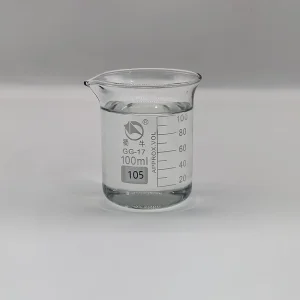
A specialized wetting agent and carrier that ensures uniform deposition and mist suppression in functional chromium bath lines.
View Product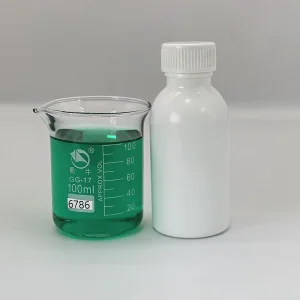
Deposits a non-magnetic coating containing 10-12% phosphorus. Engineered for components exposed to aggressive chemical environments, like oil, gas, and marine hydraulics.
View Product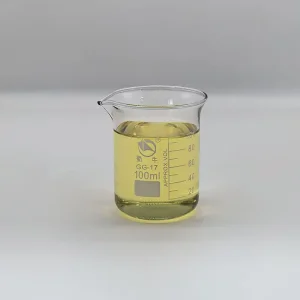
Formulated to deliver exceptionally bright deposits rapidly, reducing processing times for high-volume decorative hardware and automotive trim.
View Product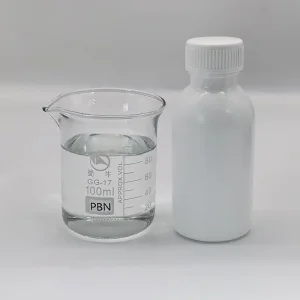
Produces an elegant, non-glare satin nickel coating. Highly popular for internal luxury automotive trims and high-end consumer electronic housings.
View Product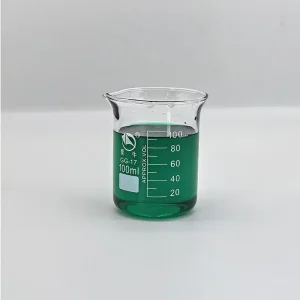
Engineered for extreme wear resistance in engineering steels. Provides high as-plated hardness and excellent alkaline resistance.
View Product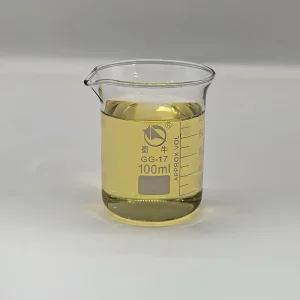
Cyanide-free formula delivering excellent thickness distribution and high cathode efficiency, drastically reducing waste treatment costs.
View Product
Formulated to achieve a stable 12-15% nickel co-deposition ratio, creating the ideal base layer for high-corrosion automotive requirements.
View Product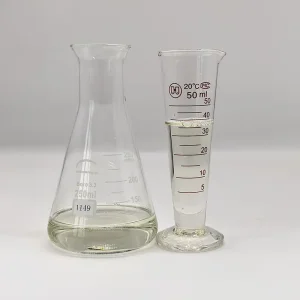
Specially formulated for barrel lines. Offers high tolerance to impurities, high leveling, and uniform brilliance across mass bulk parts.
View ProductLooking for other specialized chemistries?
372 Alkaline Cyanide-Free Copper Plating | FS100 Semi-Bright Nickel PlatingCritical technical insights for electroplating engineers, quality managers, and industrial buyers in Berlin.
Hexavalent passivation ($Cr^{6+}$) utilizes highly oxidation-state chromium ions to form a barrier layer that physically dissolves slightly when exposed to moisture to "self-heal" micro-scratches. However, $Cr^{6+}$ is a known human carcinogen and is heavily restricted in Europe under REACh and RoHS. Trivalent passivation ($Cr^{3+}$) uses non-toxic chromium ions and organic complexing agents. While inherently less soluble, modern $Cr^{3+}$ formulations incorporate nano-silica structures to construct a denser physical barrier, achieving corrosion resistance that equals or surpasses hexavalent systems without the ecological and health hazards.
Zinc-nickel alloy electroplating deposits 12-15% nickel content, which significantly shifts the galvanic potential of the coating. ZN-318 is formulated to selectively react with this alloy surface, creating a coordinated trivalent chromium-zinc-nickel complex film. The formulation ensures that the passivate layer anchors strongly to the nickel-rich phase, preventing micro-cracking during thermal cycles (such as engine bay heat cycles up to 120°C) and maintaining robust salt spray barrier performance.
Under our Factory 4.0 quality system, all chemical reactions are governed by computer-controlled DCS (Distributed Control Systems) which manage temperatures, pH, and reaction times within 0.1% tolerances. Raw material batches undergo ICP-OES (Inductively Coupled Plasma Optical Emission Spectroscopy) chemical analysis. Additionally, every shipment is assigned a Certificate of Analysis (CoA) linked to our batch-traceability system, ensuring that any variation is detected and resolved prior to departing our production centers.
For standard sea freight, we route via Shanghai Port to Hamburg Port, followed by regional rail or truck transit to Berlin. To address expedited lead times, we utilize the China-Europe Railway Express (New Silk Road) via regional cargo terminals, reducing transit times to approximately 15 to 20 days. All chemical products are packaged in UN-certified heavy-duty chemical drums or IBC totes, complying with ADR road transport regulations inside Europe.
Yes, our trivalent passivation and electroless nickel systems are formulated without substances of very high concern (SVHC) like hexavalent chromium compounds, boric acid, or restricted cobalt salts. We closely monitor the ECHA candidate list to proactively adjust our chemistries, guaranteeing that our European importers face zero regulatory obstacles or disposal surcharges.
To maximize bath life and maintain consistent finishes, operators must closely monitor three critical metrics: pH values (typically maintained between 1.8 and 2.2), temperature (usually 20-30°C), and iron/zinc ion accumulation. High concentrations of iron contaminants (above 100 ppm) will compromise corrosion resistance. We recommend installing continuous filtration and active carbon treatment systems alongside periodic analysis of trivalent chromium concentration via simple titration.
The phosphorus percentage directly dictates the metallurgical structure of the EN deposit. Low phosphorus (1-4% P, such as our J0-1 system) produces crystalline deposits with high as-plated hardness and superior wear resistance in alkaline environments. Mid phosphorus (6-9% P, e.g., HITEC EN 6713) represents the industrial standard, balancing moderate corrosion resistance, brightness, and hardness. High phosphorus (10-13% P, e.g., HITEC EN 6786) produces a completely amorphous, non-magnetic layer with exceptional corrosion resistance in acidic and saline environments, satisfying tough chemical-processing standards.
Yes, our trivalent passivation formulations can be adjusted for post-treatment lines on hot-dip galvanized parts. For HDG surfaces, the passivation agent acts as a temporary protection barrier preventing the formation of wet-storage stain (white rust) during transport and outdoor storage, maintaining the aesthetic profile of construction steelwork without affecting paint adhesion properties.
Traditional plating chemistries utilized high concentrations of sodium or potassium cyanide to complex copper or zinc ions. Cyanide is highly toxic and carries massive environmental liabilities and treatment costs in Europe. Cyanide-free systems (such as 8315 Alkaline Zinc and 372 Copper Plating) utilize biodegradable organic chelators. This significantly reduces wastewater treatment complexity, lowers operating risk for staff, and helps plating facilities comply with local German water safety directives (Wasserhaushaltsgesetz - WHG).
Yes. Through our collaborative R&D centers, we analyze local requirements (such as specific friction coefficients required by VW, BMW, or Mercedes-Benz specifications) and adjust our passivation formulas or sealers. We can adjust dry-film lubrication properties, color shades (from clear blue to iridescent yellow), and viscosity values to match the existing equipment of your plating plant.
 HIYIE
HIYIE