 HIYIE
HIYIE

Passivation Technology in Geneva’s Precision Manufacturing Landscape
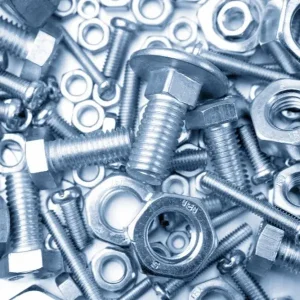
The Canton of Geneva, globally recognized as the epicentre of luxury watchmaking, advanced biomedical engineering, and micro-precision mechanics, operates under some of the most stringent industrial quality and environmental standards. Surface finishing—specifically chemical passivation and electroplating—plays an indispensable role in maintaining the durability, longevity, and aesthetics of these high-value components. Passivation agents form an ultra-thin, passive oxide barrier on metallic surfaces, which prevents oxidation, galvanic corrosion, and mechanical wear under challenging operating conditions.
The High-Precision Industrial Demand of Geneva
In Geneva, passivation is not merely a post-treatment process; it is a critical variable in the engineering lifecycle of components destined for high-reliability sectors. The local industry encompasses several sectors requiring specialized chemical treatments:
- Horology (Luxury Watchmaking): Micro-components such as gears, springs, escapements, and watch cases made of stainless steel, brass, or specialty alloys demand flawless aesthetic finishes combined with superior wear and corrosion protection. Trivalent zinc and electroless nickel systems are extensively used to provide functional wear layers without compromising dimensions.
- Medtech (Biomedical Devices): Surgical instruments and implants manufactured in Switzerland require bio-compatible passivation (ASTM F86 compliant) to remove free iron from surfaces, ensuring absolute sterilization safety and eliminating the risk of localized pitting.
- Scientific Instrumentation & Research (CERN): The presence of the European Organization for Nuclear Research (CERN) in Geneva creates a continuous demand for custom-engineered surface coatings capable of functioning under ultra-high vacuum (UHV) and cryogenic temperatures. High-phosphorus electroless nickel coatings are critical here for their non-magnetic properties and low outgassing rates.
Chemical Mechanisms of Trivalent Chrome Passivation
The transition from hexavalent chromium (Cr6+) to trivalent chromium (Cr3+) passivation has been driven by EU REACH directives and Swiss environmental regulations. Trivalent chromium passivation agents work by forming a complex, nano-structured layer of hydrated chromium oxides and hydroxides on the zinc or zinc-alloy surface. This reaction occurs dynamically during immersion, where the acid in the passivating solution attacks the active zinc layer, causing a localized pH rise that triggers the precipitation of Cr3+ and co-formulated metal ions (such as cobalt or iron) onto the surface. The resulting layer provides self-healing properties similar to legacy Cr6+ systems but without the associated environmental and toxicological hazards.
Strategic Sourcing and Global Supply Chain Resilience
For manufacturers in Geneva, sourcing chemical agents from reliable global suppliers is paramount to ensuring production continuity. A robust supply chain relies on suppliers who offer consistent batch-to-batch chemical formulations, extensive laboratory testing validation, and seamless compliance documentation. By partnering with advanced chemical developers, Swiss surface treatment facilities can implement stable bath configurations that optimize chemical consumption, minimize drag-out losses, and lower overall waste disposal costs.