High-performance alkaline formulations engineered to deliver uniform thickness and premium corrosion barrier resistance on complex geometries, compliant with Swedish automotive and industrial parameters.
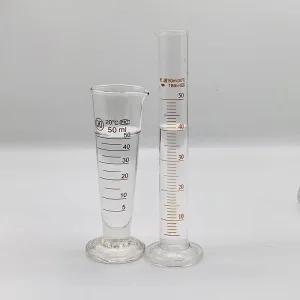
Achieves 12-15% nickel content in the alloy deposit. Superior corrosion barrier protection meeting Scania and Volvo specifications.
Technical Specs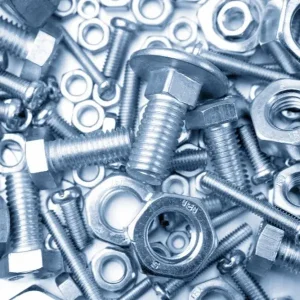
Nordic-grade trivalent passivation producing a clean aesthetic finish with outstanding thermal-cycling stability.
Technical Specs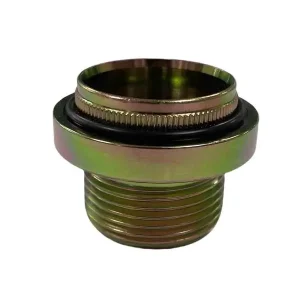
Ultra-high thickness passivation barrier engineered to survive prolonged salt spray and extreme atmospheric exposure.
Technical Specs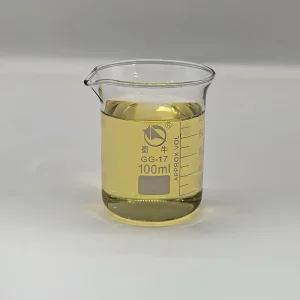
Eco-compliant bright alkaline zinc formula offering optimal thickness distribution without toxic complexing agents.
Technical SpecsSweden’s industrial landscape is defined by world-class automotive engineering, demanding aerospace infrastructure, extensive marine installations, and a rapidly growing renewable energy sector. Leading Nordic OEMs—such as Volvo Cars, Scania, and Atlas Copco—operate under challenging climatic environments. In Northern and Central Europe, vehicles and mechanical equipment face constant exposure to freezing temperatures, road de-icing salts, and coastal moisture. These extreme conditions speed up corrosion, making traditional electroplated coatings inadequate.
As a result, Swedish industrial standards (like the Volvo VCS specifications) have shifted from simple zinc coatings to high-performance electroplated Zinc-Nickel (Zn-Ni) alloys. By incorporating 12% to 15% nickel into the zinc crystal lattice, the coating provides sacrificial protection and a barrier that is up to ten times more durable than conventional zinc. This is essential for protecting critical fasteners, underbody structures, wind turbine components, and hydraulic systems in heavy mining machinery operating in Norrbotten and Kiruna.
Ensures conformance to strict automotive salt-spray and thermal cycle testing requirements without triggering hydrogen embrittlement in high-strength fasteners.
Delivers vital C4 and C5 high corrosion resistance Class protection for offshore wind parks operating along the Baltic Sea coastline.
Extends the working life of heavy infrastructure components and underground mining drilling tools in harsh Arctic regions.
Understanding why the 12-15% Nickel co-deposition ratio represents the industry gold standard for high-performance protection.
Electrodeposited zinc-nickel alloys are most effective within a narrow range of nickel concentration (12% to 15%). At this specific concentration, the alloy deposit forms a single phase—the Gamma-phase ($\gamma$-phase, $Ni_5Zn_{21}$) structure. This crystalline structure has a high microhardness of 400–450 HV, making it resistant to mechanical wear, chipping, and scratch damage during assembly.
If the nickel co-deposition falls below 12%, the deposit behaves like standard zinc, losing its superior corrosion resistance. If the nickel content exceeds 16%, the alloy becomes too noble, making the coating cathodic relative to steel. This compromises its sacrificial protection capability and risks rapid pitting of the substrate. HIYIE’s alkaline chemistries control this ratio across varying current density zones, preventing the issues commonly seen with lower-quality additives.
| Coating System | Alloy Composition | Salt Spray Resistance (ISO 9227) | Microhardness (HV) | Max Service Temp | Galvanic Compatibility |
|---|---|---|---|---|---|
| Alkaline Zinc-Nickel (HIYIE 6185) | 12% - 15% Ni, Bal Zn | > 1000 Hours (No Red Rust) | 380 - 450 HV | 200 °C | Excellent (with Aluminum) |
| Standard Acid Zinc | Pure Zinc (99.9%) | ~ 150 - 250 Hours | 120 - 150 HV | 80 °C | Poor (Accelerated Galvanic Action) |
| Zinc-Iron Coating | 0.5% - 1.0% Fe, Bal Zn | ~ 400 Hours | 160 - 200 HV | 120 °C | Moderate |
| Hot Dip Galvanizing | Diffused Zn Layer | Varies with thickness | 150 - 220 HV | 200 °C | Poor (High layer variation) |
For companies importing electroplating formulations into Sweden, compliance with environmental regulations is critical.
Sweden’s Environmental Protection Agency (Naturvårdsverket) and the Swedish Chemicals Agency (Kemikalieinspektionen - KEMI) enforce strict chemical control rules. The phase-out of hexavalent chromium ($Cr^{6+}$) under REACH Annex XIV has made green alternatives essential. Heavy industrial companies in Sweden must verify that their entire supply chain is free of SVHCs (Substances of Very High Concern).
HIYIE’s chemistry lines, such as the ZN-318 Blue Trivalent Passivation and 8315 Alkaline Cyanide-free Bright Zinc Plating, are designed around these standards. They are fully compliant with RoHS and REACH regulations, eliminating heavy metal contamination and cyanides. This helps Swedish surface finishers reduce water treatment costs and stay compliant with strict local environmental laws.
100% Cyanide-Free: Simplifies wastewater treatment, helping facilities meet municipal discharge limits in Swedish cities.
Trivalent Chrome Passivations: Formulated without toxic hexavalent chromium compounds, providing a safer working environment and clean exports.
CO2 Footprint Tracking: Processes engineered to run at lower temperatures and with higher current efficiency, reducing overall energy consumption.
Ensuring reliable chemical deliveries and consistent batch-to-batch quality from China to Swedish industrial hubs.
Our R&D centers in Shanghai and Wuhan develop specialized additives tailored to the specific line layouts of Swedish surface finishers, adjusting for water hardness and local plant parameters.
We offer dependable ocean freight routes from Shanghai and Ningbo to key Swedish ports, including Gothenburg, Stockholm, and Helsingborg, complete with REACH documentation and custom clearance support.
Every production batch undergoes analytical testing using ICP-OES and Hull Cell analysis. We provide complete COA (Certificate of Analysis) reports to guarantee consistent performance.
Sourcing directly from HIYIE Chemical's manufacturing facility in China eliminates third-party distribution markups. This allows Swedish electroplating shops and Tier-1 automotive suppliers to reduce chemical additive costs by 20% to 35% compared to local European distributors, while maintaining high performance and compliance standards.
Explore our full line of functional plating additives, high-phosphorus electroless nickel coatings, and surface finishing chemistries.
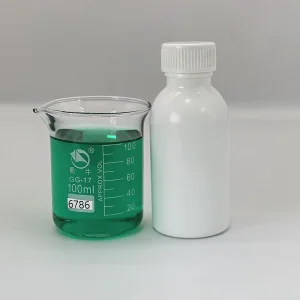
Provides excellent chemical and wear resistance in highly acidic environments, making it ideal for Swedish paper mills and chemical plants.
Technical Specs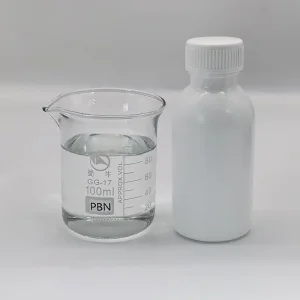
Delivers a uniform, glare-free matte decorative finish designed for premium Swedish automotive interior trims.
Technical Specs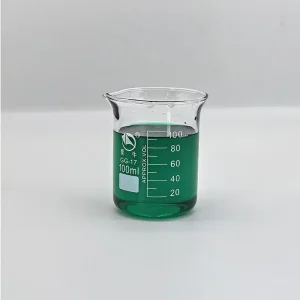
Features high wear resistance and electrical conductivity, engineered for heavy-duty copper connector contacts.
Technical Specs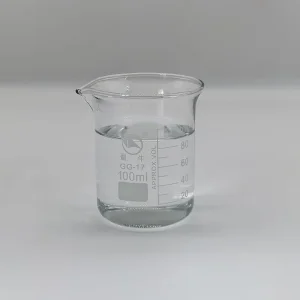
Sulfur-free formulation that serves as a highly ductile base layer in multi-layer corrosion-resistant nickel systems.
Technical Specs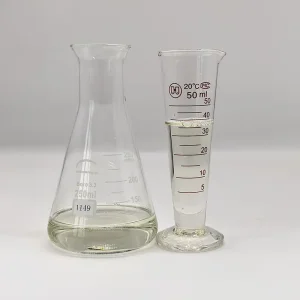
Provides rapid brightener leveling and high ductile properties, optimized for bulk processing of fastner hardware.
Technical Specs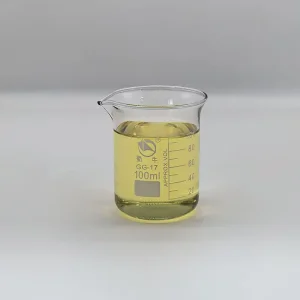
Designed for high-speed rack lines, offering fast brightness development and deep recess coverage.
Technical Specs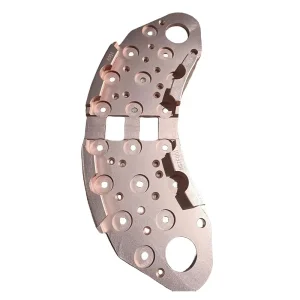
An eco-friendly, non-toxic copper strike layer that bonds reliably to zinc die-casts and steel substrates.
Technical Specs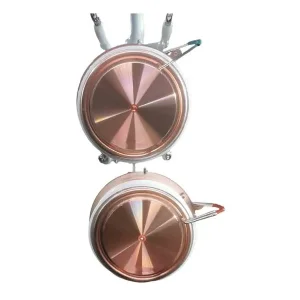
Excellent leveling agent designed for complex circuit boards and bright decorative multilayer parts.
Technical SpecsKey developments shaping the selection and use of zinc-nickel coatings in modern manufacturing.
Due to potential changes in REACH classifications for cobalt salts, Swedish industrial buyers are shifting toward cobalt-free trivalent passivations. Our R&D team is actively working on cobalt-free post-dip chemistry that matches traditional corrosion resistance levels.
As electric vehicle (EV) production expands in Gothenburg, the contact between steel fasteners and lightweight aluminum battery enclosures can lead to galvanic corrosion. Zinc-Nickel coatings act as a reliable barrier, reducing this galvanic reaction better than other surface options.
Swedish plating facilities are adopting digital automated dosing systems. Our plating additives are designed to support automated monitoring, helping maintain precise concentrations and reducing raw chemical waste.
Technical answers to common questions about procuring, applying, and maintaining Zinc-Nickel alloy plating systems.
At this specific concentration range, the zinc-nickel deposit forms a single-phase $\gamma$ (gamma) crystalline structure. This phase provides the best combination of mechanical hardness (approx. 400-450 HV) and sacrificial cathodic protection for steel. Lower nickel levels behave like standard zinc and corrode faster, while higher nickel levels (over 16%) make the coating cathodic to the steel, increasing the risk of galvanic pitting.
All of our core formulations, including the 6185 Alkaline Zinc-Nickel system and ZN-318 Passivation, are fully compliant with RoHS and REACH regulations. They are free of hexavalent chromium ($Cr^{6+}$) and cyanide compounds. This alignment makes it easier for surface finishing operations to stay compliant with local Swedish Chemicals Agency (KEMI) rules and simplifies municipal wastewater treatment.
Yes. Our alkaline zinc-nickel plating additives are formulated for both applications. In rack plating lines, they help achieve uniform thickness and alloy distribution across complex shapes. In barrel lines, they maintain stability and protect parts from damage during bulk tumbling.
High-strength steels (like grade 10.9 and 12.9 fasteners) are vulnerable to hydrogen embrittlement during plating. Our alkaline formulations include specialized organic additives that reduce hydrogen absorption at the cathode surface. When combined with proper post-plate baking procedures (e.g., 200°C for 4 hours), the risk of hydrogen-induced failure is significantly reduced.
We ship directly from our production facilities in China to major Swedish logistics centers like Gothenburg and Stockholm. Typical ocean shipping takes 35 to 45 days. We also offer air freight services for urgent production needs, ensuring your operations remain running smoothly.
 HIYIE
HIYIE